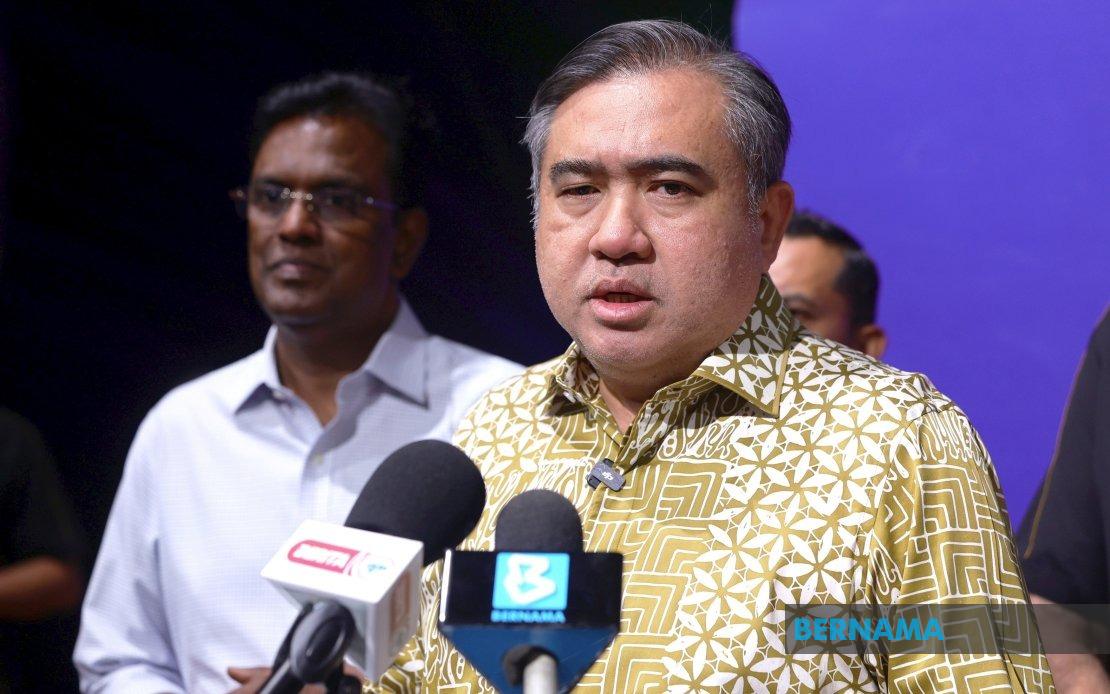
Anthony Loke, the three-term assemblyman representing Chennah and secretary-general of the Democratic Action Party, has publicly declared his willingness to face any political competitors vying for his seat in the forthcoming Negeri Sembilan state election. Speaking in Seremban after launching a driver licensing programme, Loke adopted a measured stance on the prospect of electoral opposition, framing it within Malaysia's democratic framework and suggesting that such contests are an expected part of the political process.
The seasoned politician's comments emerged in response to media reports concerning businessman Albert Tei, who has reportedly not dismissed the possibility of standing as a candidate for the Chennah constituency after being approached by a political party. Rather than dismissing Tei or other potential rivals outright, Loke chose to emphasise the principles underpinning Malaysia's electoral system, noting that any citizen meeting the relevant qualifications possesses the right to contest for elected office. This inclusive rhetoric reflects a confident political posture from someone who has held his seat for three consecutive electoral cycles.
Loke's perspective on democratic contestation carries particular significance in Negeri Sembilan, a state where political fortunes have shifted considerably over recent years. The upcoming election represents a critical juncture for both the DAP and the state's broader political landscape. By welcoming competition rather than appearing defensive about potential challengers, Loke positioned himself as secure in his political standing and confident in his record of service to the Chennah electorate.
However, the DAP leader did inject a practical caveat into his otherwise permissive stance. He reminded prospective candidates that formal eligibility criteria must be satisfied before anyone could realistically contest a state seat. These requirements include ensuring that candidates have properly updated their registered residential address to match the constituency they wish to represent. Such procedural reminders, while appearing administrative on the surface, carry strategic implications, as they establish a clear benchmark that potential challengers must meet. This threshold may effectively screen out those unwilling to commit fully to representing the constituency.
When pressed on the specific prospect of facing Albert Tei or other named competitors, Loke deliberately shifted focus away from individual opponents. Instead, he emphasised that his attention remains concentrated on discharging his duties as the elected representative for Chennah. This rhetorical strategy demonstrates political maturity, avoiding the trap of appearing preoccupied with rivals while simultaneously signalling that he is not intimidated by whoever might eventually stand against him. By maintaining this focus on constituent service rather than personal political contests, Loke projected an image of someone grounded in the practical work of governance.
The three-term assemblyman articulated his conviction that the mandate bestowed upon him by Chennah voters across three successive elections remains central to his political mission. Rather than fixating on hypothetical challengers, Loke suggested that honouring this existing mandate should take precedence in his calculations. This appeals to voters' preference for representatives who prioritise delivery over perpetual campaigning, a sentiment that likely resonates particularly strongly during periods between general elections when attention naturally shifts to local governance issues.
The timing of Loke's comments holds contextual importance given the official electoral calendar established by the Election Commission for Negeri Sembilan. The commission designated July 18 as nomination day, creating a definitive deadline by which all prospective candidates must formally register their intention to contest. Polling is scheduled for August 1, with early voting available on July 28. This compressed timeline between Loke's statement and nomination day suggests that potential challengers face an imminent deadline to formalise their candidacy, lending additional weight to Loke's somewhat prescient remarks about eligibility requirements and the seriousness of electoral participation.
For Malaysian political observers, Loke's composed response to questions about potential challengers illustrates a particular style of political communication increasingly prevalent among more experienced DAP figures. Rather than the aggressive posturing or dismissive rhetoric occasionally heard from younger or less secure politicians, Loke's approach combines democratic magnanimity with quiet confidence. This demeanour may itself constitute a political asset, presenting him to voters as a mature, principled figure unbothered by the ordinary challenges of electoral competition.
The broader implications for Negeri Sembilan's political trajectory warrant consideration. The state has experienced significant electoral volatility in recent years, with control shifting between coalitions and individual parties demonstrating capacity to mobilise voters across demographic and geographic lines. Within this context, Loke's prominent positioning as DAP secretary-general adds another dimension to his local contest. National party leadership responsibilities intersect with state-level electoral competition, potentially amplifying the significance of individual seat contests within the broader party political narrative.
From a Southeast Asian perspective, Malaysia's state elections continue to function as important laboratories for political innovation and coalition-building. The Negeri Sembilan contest will provide insights into how opposition parties are consolidating or fragmenting their bases, how established politicians retain or lose ground, and how younger challengers penetrate established political networks. Loke's relaxed posture toward potential challengers reflects confidence not just in his personal standing but perhaps in the DAP's capacity to retain the Chennah seat regardless of specific opposition.
For constituents in Chennah, the clear electoral contest ahead—whether or not Albert Tei ultimately decides to run—promises a substantive examination of competing visions for the constituency's future. Loke's emphasis on ongoing service delivery and voter mandate suggests he intends to campaign on his track record and vision for continued development. Potential challengers will need to articulate compelling alternative proposals to unseat an incumbent who has demonstrated longevity and political resilience across three electoral cycles.

