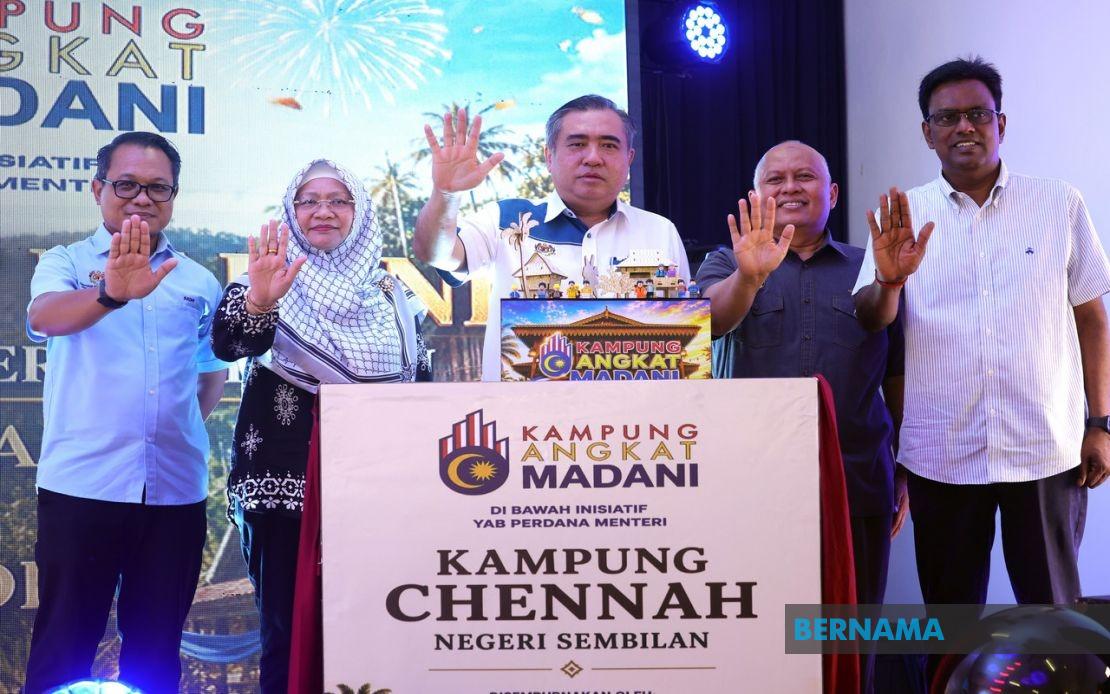
Transport Minister Anthony Loke Siew Fook has pushed back against suggestions that the "Kampung Angkat MADANI" programme is being strategically deployed ahead of state elections, framing the initiative instead as a longstanding nationwide effort to uplift rural communities that predates the current electoral cycle. Speaking at the launch of the Land Public Transport Agency's project in Kampung Chennah, Jelebu, on July 12, Loke stressed that the programme's rollout follows a phased implementation approach designed to systematically improve villages that lack adequate infrastructure and socio-economic opportunities.
The transport chief emphasised that the initiative represents a continuous government commitment rather than a campaign tool. He outlined that implementation began over a year earlier, with previous phases including development work in Orang Asli settlements such as Lenggeng. By consolidating efforts across multiple government agencies, the administration has managed to expand the programme's reach to numerous areas, with July's activities in Kampung Chennah representing a pre-planned component of a broader calendar rather than an opportunistic intervention timed to electoral cycles.
Loke's clarification comes amid heightened scrutiny of government activities during election periods in Malaysia. He detailed how the administration has adopted what Prime Minister has framed as a "new administrative culture" that prohibits official government programmes and events from proceeding in constituencies during active campaign periods. To comply with this directive, the Transport Ministry strategically scheduled Kampung Angkat MADANI initiatives before nomination day, ensuring that the core implementation and public launch events occur outside the restricted campaign window. Even as Loke continues performing his ministerial duties, he has committed to refraining from attending official government programme events in constituencies actively holding elections during the campaign phase.
The selection of Kampung Chennah for this year's focused development intervention reflects deliberate targeting based on geographical and infrastructural criteria rather than political considerations. The remote location of the village and its residents' lack of access to adequate basic amenities made it a priority candidate for APAD's support. The government has committed RM500,000 to execute five distinct projects that directly address community needs, including structural upgrades to the existing library facility, renovation of recreational infrastructure through futsal court refurbishment, and enhanced sanitation improvements centred on drainage systems serving the mosque compound.
With project timelines set for completion within two to three months, Loke underscored the ministry's intention to maintain close oversight of implementation progress. This monitoring framework aims to ensure that construction activities remain aligned with agreed schedules and deliver promised benefits to villagers without delays. The compressed timeline also reflects administrative efficiency standards that the government has sought to establish when deploying development resources to underserved communities.
Beyond the immediate infrastructure enhancements in Kampung Chennah, Loke used the occasion to articulate a broader philosophical repositioning of the Transport Ministry's remit. Rather than limiting ministerial focus solely to port regulation, airport operations, railway systems, and public transport infrastructure development, Loke characterised the organisation as carrying explicit social responsibility obligations. This expanded mandate explicitly encompasses direct community engagement and measurable improvements to residents' quality of life and well-being. By framing rural development initiatives as natural extensions of transport ministry functions, Loke attempted to normalise the portfolio's involvement in grassroots development despite its traditionally sector-focused terminology.
The programme's phased rollout strategy serves multiple administrative purposes beyond immediate infrastructure delivery. By distributing interventions across different villages and time periods, the government can demonstrate sustained commitment to rural constituencies while managing fiscal expenditures prudently. The systematic identification of village-specific needs through preliminary assessments also ensures that allocated funds address genuine bottlenecks in development rather than pursuing generic solutions disconnected from ground realities.
For Malaysian observers tracking governance patterns, Loke's emphasis on pre-nomination timing highlights growing institutional sensitivity to electoral propriety standards. The emphasis on completing major programme announcements and launches before official campaign periods begin reflects an attempt to establish clearer boundaries between routine government administration and partisan political campaigning. This distinction carries particular significance in Malaysian electoral contexts, where accusations of government machinery deployment for electoral advantage have historically featured prominently in opposition critiques.
The Transport Ministry's involvement in rural village development also illustrates how Malaysian government portfolios increasingly cross traditional sectoral boundaries. Rather than treating infrastructure connectivity, economic development, and community welfare as siloed responsibilities, the integrated approach treats transportation links and socio-economic facilities as complementary components of comprehensive rural advancement. This holistic framing acknowledges that isolated infrastructure investments without concurrent improvements to social facilities and economic opportunities yield limited transformative impact on community conditions.
For rural constituencies across Malaysia and within Southeast Asia more broadly, such targeted development programmes carry significant electoral and governance implications. Communities in remote areas frequently experience chronic underinvestment in basic facilities, making focused government intervention politically resonant. However, the timing and political context surrounding such initiatives invariably generate public debate about motivations and equity. Loke's detailed explanation of the Kampung Angkat MADANI programme's genesis, phased implementation, and non-election linkages reflects broader challenges facing governments attempting to balance responsive development delivery with electoral transparency standards.

