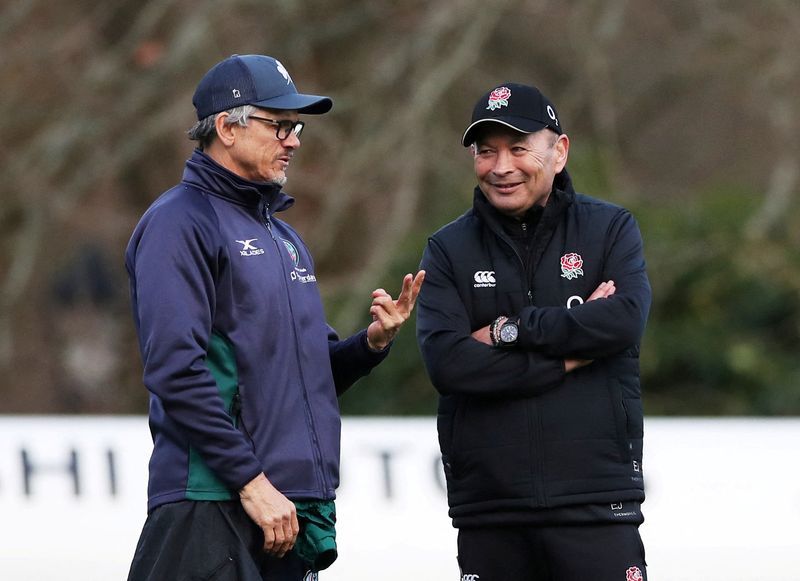
Les Kiss has thrown open the possibility of recruiting Australian rugby talent from overseas in his opening move as Wallabies coach, signalling a tactical shift that could reshape the nation's approach to building World Cup squads. Speaking at his inaugural press conference in Sydney following the announcement of his first squad, Kiss indicated he would prioritise winning combinations over the traditional preference to keep elite players competing in Australia's domestic competition. This pragmatic stance represents a notable departure from the measured approach taken by his predecessor Joe Schmidt, who exercised considerable restraint in tapping overseas-based talent during his two-year tenure.
Kiss unveiled his first squad on Thursday for the upcoming two-test series against Japan, led by coach Eddie Jones. The selection largely mirrors the group Schmidt worked with during the recent Nations Championship, maintaining continuity with the squad that produced mixed results against Ireland, France and Italy. However, Kiss's comments suggest the door remains ajar for strategic recruitment from abroad as the Wallabies prepare for their World Cup hosting duties. The 61-year-old former Queensland Reds director has already initiated conversations with several overseas-based players, including Jordan Petaia, the Japan-based outside back and centre currently recovering from injury, indicating his scouting efforts extend beyond Australia's borders.
Under current Rugby Australia regulations, coaches face constraints on selecting overseas-based players, a policy designed to incentivise talent retention within domestic competitions. The framework was intended to strengthen local rugby by ensuring the most prominent players featured regularly in Super Rugby or other homegrown competitions. Schmidt respected this framework throughout his tenure, using his discretionary overseas picks infrequently. Kiss, however, has suggested he will interpret these guidelines with greater flexibility. His language was notably open, stating he would not hesitate to look internationally if doing so provided the Wallabies with their best chance of success. This represents a potentially significant recalibration of selection philosophy at a critical juncture for Australian rugby.
The timing of Kiss's appointment carries particular weight given the Wallabies' recent performance trajectory. The team has lost nine of its last eleven test matches and languishes at eighth in the world rugby rankings—hardly the standing expected of a World Cup host nation. This underwhelming record reflects deeper structural issues within Australian rugby, including the difficulty of competing against tier-one nations without access to a reliable pipeline of world-class talent. Kiss's willingness to cast a wider net suggests he recognises that strict domestic recruitment policies may have constrained the Wallabies' competitive options during a period when rivals have increasingly accessed global talent pools.
Kiss articulated his broader vision for the Wallabies around creative, aggressive rugby that embraces innovation and competitive spirit. He invoked the notion of an "Australian way"—a fast, ball-in-hand approach that delivered World Cup success in the 1990s but has largely yielded disappointing results in recent decades due to inconsistent player calibre. The gap between Australia's rugby tradition and its current capacity to execute that style at international level remains stark. Kiss appears intent on bridging this gap by combining carefully selected overseas talent with homegrown creativity, though he remained respectful of the existing squad and its potential.
The high-profile case of Joseph Suaalii exemplifies the complexities Kiss must navigate. Rugby Australia invested A$5 million to recruit the 22-year-old from the National Rugby League, an exceptionally expensive acquisition in rugby union terms. Suaalii started the 2024 Northern Hemisphere tour with considerable promise but has since produced only intermittent flashes of excellence in the gold jersey. Debate persists about whether his natural position is fullback or centre, with opinions divided on how best to deploy his considerable physical attributes. Kiss confirmed he would retain Schmidt's approach of positioning Suaalii at outside centre, though he acknowledged the player possesses the capability to perform effectively at fullback. This indicates Kiss intends to provide Suaalii with sustained opportunity to develop in his current role rather than experimenting with positional changes.
The decision to retain most of Schmidt's squad demonstrates Kiss's respect for the existing group while simultaneously signalling his intent to remain open to fresh possibilities. This balancing act reflects the inherent tension between honouring established players and pursuing competitive improvement. Many incoming Wallabies coaches have promised to implement "the Australian way," yet few have succeeded in consistently delivering that vision against world-class opposition. Kiss's emphasis on identifying players who can "make a difference" and "give us what we need to win games" suggests he will take a more utilitarian approach to selection, prioritising functional effectiveness over stylistic purity or geographical convenience.
For Malaysian and regional rugby followers, Kiss's appointment and approach carry broader implications for the sport in Southeast Asia. The question of whether elite talent should be developed domestically or recruited internationally represents a recurring dilemma across the region. Kiss's pragmatism—his willingness to compromise ideological preferences for competitive reality—may influence thinking among other rugby unions grappling with similar questions. Australia's decision-making will likely be closely watched by neighbouring rugby programmes seeking to determine their own optimal talent recruitment strategies.
The Japan series will provide Kiss with an early opportunity to implement his vision and test whether his more flexible approach to overseas recruitment can generate tangible improvement. Japan, under Eddie Jones's leadership, has established itself as a competitive force in Asian rugby, and the tests will offer a genuine examination of the Wallabies' progress. Kiss's opening comments suggest he intends to balance continuity with calculated innovation, respecting the work of his predecessor while carving out his own strategic direction. Whether this pragmatic openness to overseas talent proves decisive in Australia's World Cup campaign will become apparent as his tenure develops and his willingness to look beyond domestic shores translates into actual selection decisions.

