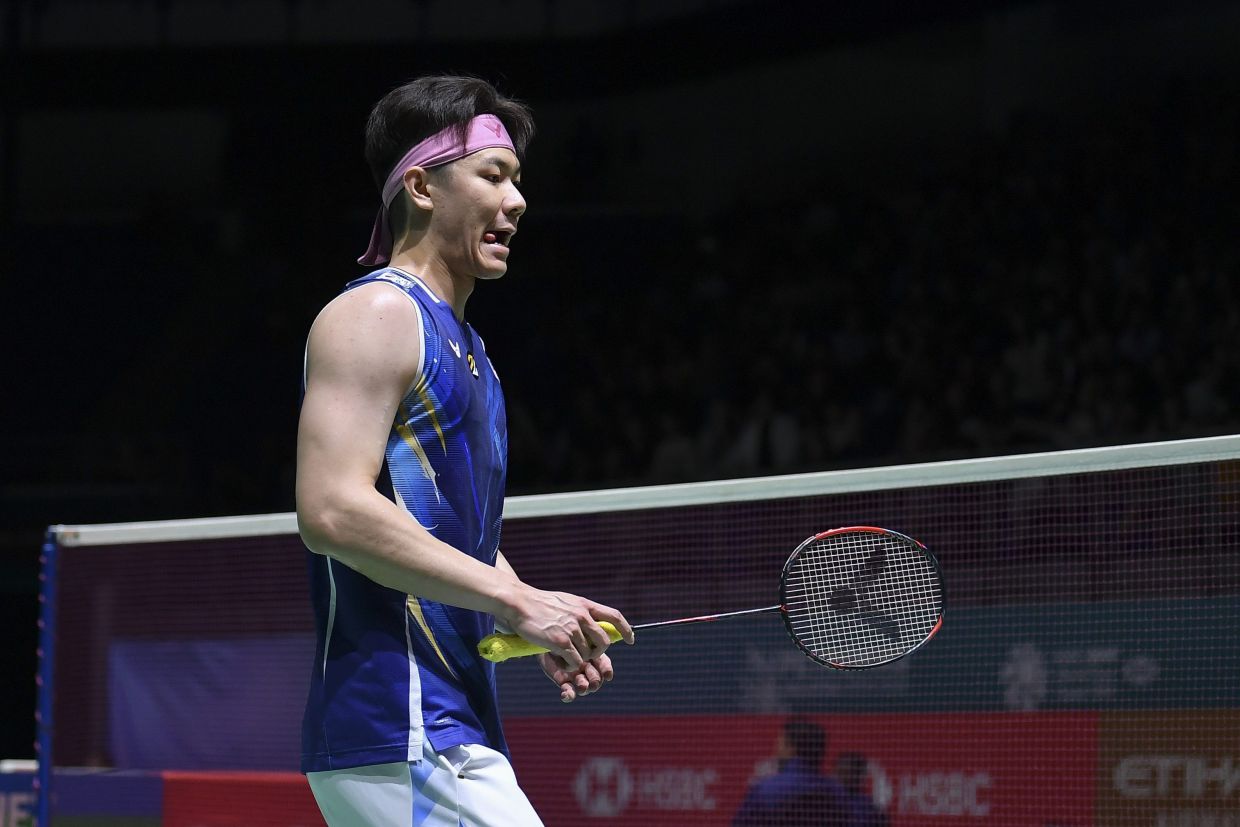
Malaysian men's singles shuttler Lee Zii Jia has reassured his supporters that he remains committed to badminton and will not abandon the sport despite navigating one of the most demanding phases of his professional career. The 28-year-old from Kedah delivered his commitment through a heartfelt social media message on Sunday, signalling his determination to overcome current obstacles and rebuild his competitive standing on the international circuit.
Zii Jia's candid acknowledgement of his struggles marks a significant moment of transparency from the player, who has faced mounting pressures over the past year through a combination of physical injuries, inconsistent tournament performances, and psychological challenges. Rather than retreating from competition, he has chosen to confront these difficulties head-on, framing his journey as one of personal resilience rather than inevitable decline. His willingness to speak publicly about mental and emotional hurdles represents an important shift in how Malaysian athletes address the invisible dimensions of elite sports performance.
The shuttler's message emphasised the crucial role played by his fan base and closest associates in sustaining his motivation during periods when his own self-belief wavered significantly. Zii Jia reflected on moments when he struggled to accept the person he had become, yet found encouragement from those around him who continued offering support unconditionally. This observation highlights a broader truth in professional athletics: supporters often see potential and value beyond momentary setbacks that athletes themselves may struggle to recognise when consumed by disappointment and fatigue.
A pivotal reorientation of his approach has involved taking personal ownership of his career trajectory and decision-making processes. Zii Jia revealed that he had previously felt constrained in his ability to voice concerns or advocate for changes within his professional environment. By stepping away from the national team structure in 2022, he embarked on an independent path focused entirely on reclaiming his competitive form and mental wellbeing. This separation, though challenging, allowed him to establish clearer boundaries and pursue arrangements that better served his athletic and personal development.
The psychological component of Zii Jia's struggles cannot be understated, particularly given the weight of expectations that accompany being a former Olympic medalist competing in a sport where Malaysia maintains a storied legacy. The pressure to maintain championship-calibre performances while battling physical limitations creates a compound challenge that extends far beyond technical or tactical deficiencies. His acknowledgement that he had difficulty opening up about these struggles to those in his immediate circle suggests isolation intensified his difficulties, a pattern not uncommon among elite athletes reluctant to display vulnerability.
Zii Jia's recent performances offer modest grounds for cautious optimism regarding his trajectory. His semi-final appearance at the Canadian Open represented his strongest showing in the current campaign, though the loss to Japan's Koki Watanabe prevented him from advancing further. This result, while not a breakthrough victory, demonstrated that he retains the capacity to compete effectively against top-ranked opponents during major tournaments, suggesting that foundational skills remain intact despite recent inconsistency.
Looking ahead to his immediate schedule, Zii Jia faces back-to-back significant tournaments that will test whether his recent momentum can be sustained and built upon. The Taiwan Open, scheduled for July 28 through August 2, followed by the Korean Masters from August 4-9, will provide crucial opportunities to accumulate ranking points and restore confidence through tournament success. These competitions on the Asian circuit hold particular significance given the strength of regional badminton talent and the tournament prestige both events command.
The Malaysian badminton community has reason to monitor Zii Jia's progress closely, as his career trajectory carries broader implications for the sport domestically. The emergence of new generations of players competing for limited sponsorship resources and media attention creates an environment where former champions must either rediscover top form or gradually fade from prominence. Zii Jia's determination to persist, rather than retire and pursue alternative career paths, suggests he believes restoration to higher competitive levels remains within reach.
His acknowledgement that the timeline for recovery remains uncertain reflects realistic expectations about career rehabilitation in elite badminton. Rather than promising immediate results or swift returns to previous rankings, he has adopted a more measured perspective that accepts the iterative nature of athletic comeback narratives. This maturity in framing his situation may itself contribute to reduced pressure and a healthier psychological state from which to build improved performances.
The broader narrative surrounding Zii Jia's current position speaks to the profound personal costs of elite sports careers and the resilience required to persist through extended difficult periods. His message to supporters emphasises that worth in athletics extends beyond victory alone, introducing a philosophy that values sustained effort and character displayed during adversity. For Malaysian fans and aspiring badminton players observing his journey, Zii Jia's commitment to continuing despite substantial obstacles offers a meaningful counternarrative to narratives centred solely on winning and record-setting achievements.

