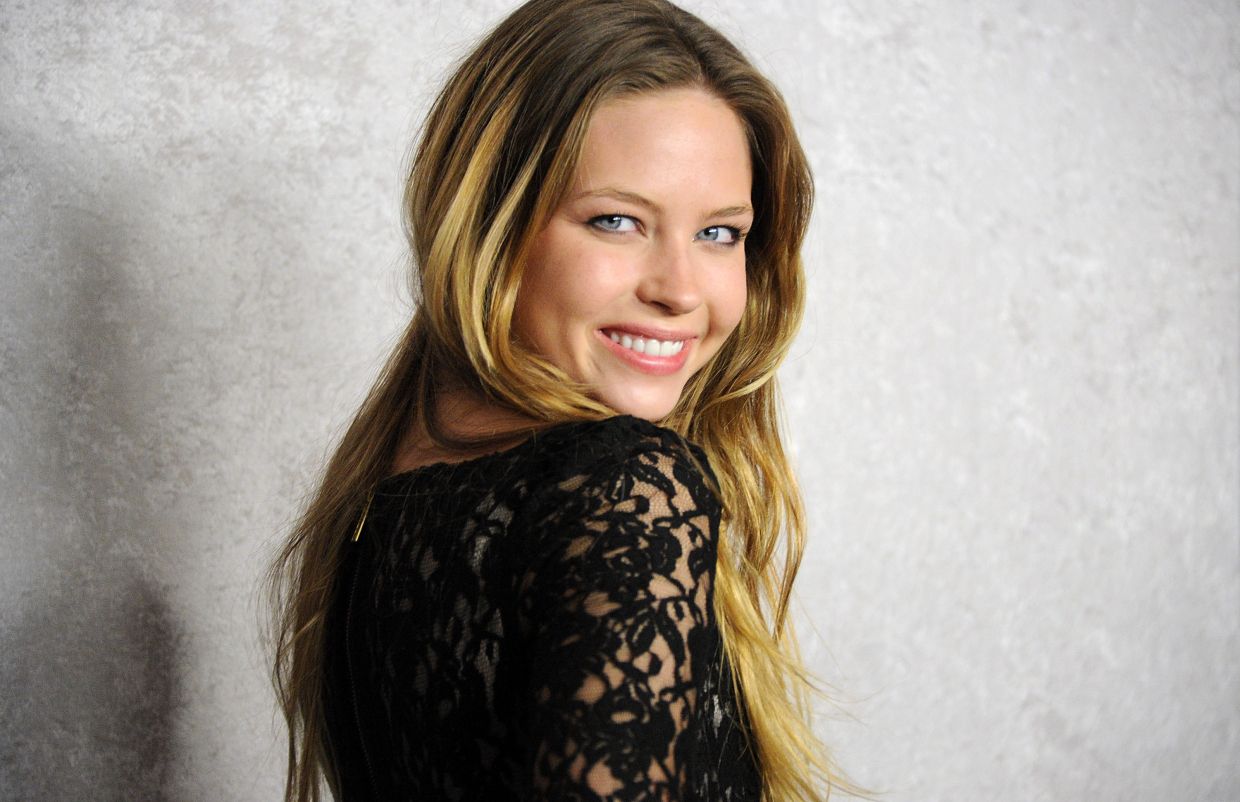
The estate of Daveigh Chase, the acclaimed voice actress behind Disney's beloved character Lilo, has been valued at approximately RM1.6 million, according to probate filings in Los Angeles. The discovery of substantial assets stands in sharp contrast to the circumstances of Chase's final years, when she was living on the streets in the city before her death at age 35 in a hospital facility early last month. Her mother, Cathy Chase, has petitioned Los Angeles Superior Court to be appointed as the administrator of her daughter's estate, with a probate hearing scheduled for August 12.
The probate process has already begun its formal machinery, with Cathy Chase requesting court approval for a US$400,000 bond—a standard requirement to protect beneficiaries and creditors during estate administration. The timing of these filings underscores the complexity of managing assets for a deceased person whose final years were marked by severe personal hardship and apparent financial disorganization. Estate administrators in such circumstances must navigate both legal requirements and the practical realities of how a once-successful entertainment professional's financial situation deteriorated so dramatically.
Chase passed away on June 16 at a Los Angeles hospital following complications related to acquired immunodeficiency syndrome, commonly known as AIDS. According to the Los Angeles medical examiner's official report, AIDS was determined to be the primary cause of death, with mixed drug use identified as a significant contributing factor. Her father revealed to reporters shortly after her passing that Chase had been residing on the streets in proximity to the very medical facility where she ultimately received her final care, painting a portrait of someone whose life had become increasingly precarious in the months leading to her death.
The disconnect between Chase's current circumstances and her earlier life reflects a dramatic arc that is not uncommon among child actors who achieve early fame but struggle with the pressures and challenges of the entertainment industry. Chase gained widespread recognition as the English-language voice of Lilo in Disney's animated feature, a role that introduced her to audiences worldwide and established her as a recognizable talent in the animation community. Beyond her voice acting work, she maintained an active presence in film and television throughout the 1990s and early 2000s, appearing in various productions that kept her in the public eye.
Her exit from the entertainment industry was neither abrupt nor surprising to those who had followed her career decline. Chase completed her final credited film roles in 2016, effectively retiring from acting at that point and stepping away from the spotlight entirely. The reasons for her withdrawal from the industry—whether personal struggles, mental health challenges, or other factors—were not widely publicized at the time. However, what became evident in the years that followed was that her life had spiraled into circumstances far removed from the stability typically associated with someone who had achieved professional success as a younger performer.
The situation became further complicated in 2017 when Chase was arrested on charges related to leaving the scene of an incident outside a hospital. While authorities emphasized that she was not suspected of involvement in the death of the individual found at the location, she was wanted on an outstanding warrant at the time of her apprehension. This incident marked one of the few times in recent years that Chase's name reappeared in public records, suggesting that her struggles had largely removed her from mainstream awareness.
For Malaysian and Southeast Asian readers, Chase's story represents a cautionary tale about the vulnerabilities of child performers in the global entertainment industry. The region has its own thriving entertainment sector, and the experiences of international child actors like Chase offer important lessons about the long-term welfare of young performers. The pressures of early fame, combined with the difficulty of transitioning to adult roles, can create precarious situations that may not be immediately apparent to audiences.
The existence of a substantial estate raises questions about how assets become disconnected from the person who nominally owns them. Whether Chase's RM1.6 million in assets remained tied up in investments, property, or other holdings that she could not easily access while homeless, or whether her circumstances reflected a more complex picture of financial mismanagement and personal crisis, remains unclear from available information. Estate administrators often discover such disconnects when managing the affairs of individuals whose final years were characterized by severe hardship.
The probate process that will unfold over the coming weeks may eventually provide clearer insight into the composition of Chase's estate and how her financial resources became so disconnected from her living situation. For her mother, the responsibility of administering these assets carries both the practical burden of navigating court procedures and the emotional weight of managing her daughter's legacy. The August 12 hearing will mark a significant step in determining how these assets will be distributed and whether any portion might support causes related to mental health, substance abuse recovery, or other issues that may have contributed to Chase's tragic circumstances.

