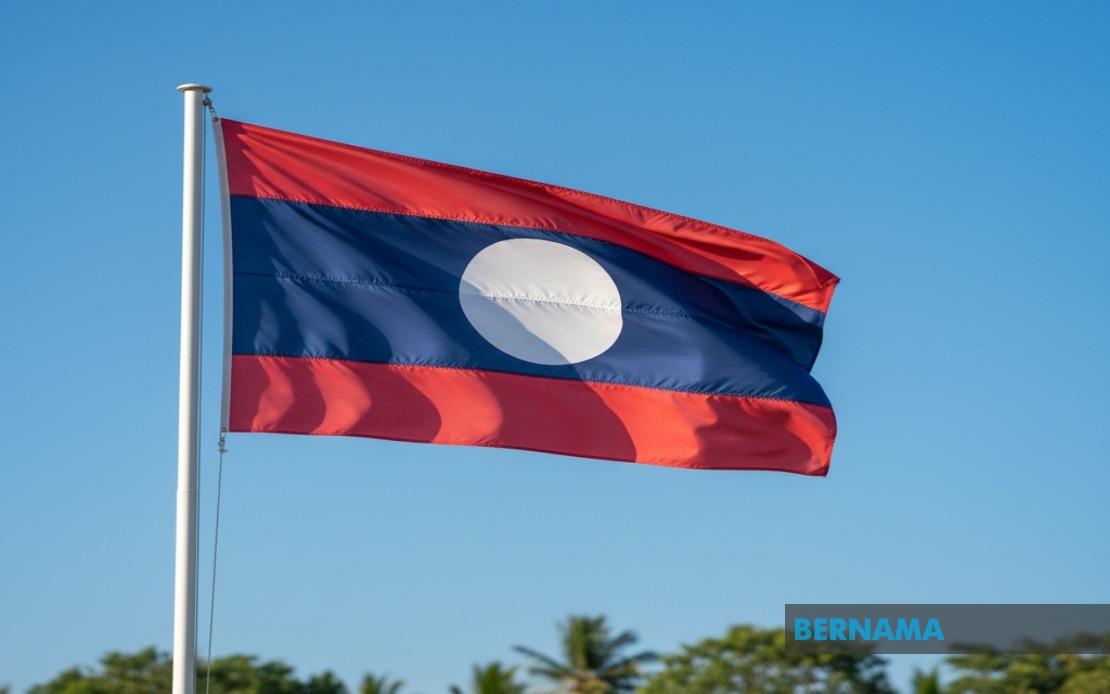
Laos has embarked on an ambitious effort to overhaul and strengthen its media landscape, with the Lao government adopting a strategic roadmap aimed at elevating the quality and impact of the country's journalism and broadcasting sectors. The initiative emerged from the first National Media Congress, convened in the capital Vientiane from Monday to Wednesday, which gathered senior political figures, media executives, editors, journalists, and communication specialists to chart a new direction for the nation's information ecosystem. The congress, organised around the theme of "Strengthening Party Leadership and Developing the Media Toward a New Level of Quality," represents a significant effort by the Lao government to place media modernisation at the centre of its development agenda.
The gathering provided a rare opportunity for stakeholders across Laos's media sector to converge and reflect on the industry's trajectory. During the congress's closing session, Khamphan Pheuyavong, who heads the Commission for Information and Education, delivered a comprehensive summary of the proceedings, highlighting that the three-day forum successfully achieved its core objectives. These included a thorough assessment of past accomplishments within the sector, a candid identification of existing bottlenecks and systemic weaknesses, and crucially, a forward-looking articulation of strategic directions and concrete measures designed to elevate media performance and public impact. This structured approach—combining retrospective analysis with prospective planning—suggests a methodical governmental approach to institutional reform.
President Thongloun Sisoulith's closing address underscored the political significance attached to media modernisation in Laos. His remarks, delivered to the assembled media professionals and government officials, carried both appreciation for their current work and a clear articulation of governmental expectations going forward. The president's five-point framework for media sector strengthening provides insight into the Lao leadership's priorities and concerns regarding how information flows through society and shapes public discourse. These priorities reveal tensions between openness and control, tradition and modernisation, and professionalisation and political loyalty that characterise many Southeast Asian media environments.
The first priority emphasises enhanced unity and collaboration among media organisations operating across Laos. President Sisoulith called for strengthened mutual engagement, mutual learning mechanisms, and improved collective understanding of the rapidly evolving information landscape. Significantly, he stressed the importance of media professionals developing the capacity to distinguish between constructive public criticism and unethical, malicious attacks. This distinction—while superficially reasonable—reflects a common governmental concern across the region about separating legitimate journalistic scrutiny from what authorities view as destabilising or hostile commentary. For Malaysia and other regional observers, this framework illustrates the delicate balance Lao authorities seek between encouraging professional media development and maintaining societal stability as they define it.
The second pillar focuses on cultural preservation and ethical journalism standards. The president urged media practitioners to actively uphold and promote traditional Lao cultural values, specifically highlighting humility, generosity, and mutual respect as virtues that should permeate journalistic practice. Conversely, he explicitly called for the rejection of vulgarity, dishonesty, and selfish behaviour within media institutions. This cultural framework for journalism reflects how Southeast Asian governments frequently ground media policy in appeals to shared values and national identity. For Malaysian readers familiar with discussions about media ethics and social responsibility in their own context, the Lao emphasis on cultural values provides a comparative window into how different governments articulate expectations for the media's role in maintaining social cohesion.
Defending truth and justice constitutes the third priority area outlined by President Sisoulith. He emphasised that media professionals bear responsibility for practicing truthful, accountable reporting that actively resists misinformation and propaganda while simultaneously maintaining public confidence in media institutions. This framing identifies truth-telling and public trust as interconnected—a position broadly consistent with international journalistic standards and professional norms. However, the context matters: in a political environment where government agencies exercise substantial control over information channels, the president's emphasis on truth and responsible reporting implicitly delineates boundaries around what constitutes responsible truth-telling versus irresponsible or destabilising journalism.
The fourth dimension of the modernisation agenda directs responsibility toward state and Party institutions themselves. Rather than placing the burden for sector improvement entirely on media organisations, President Sisoulith called on government agencies and Communist Party bodies to enhance their own performance by providing stronger guidance, support, and constructively-framed assistance to media entities. This reciprocal framing—where government institutions acknowledge their role in supporting media development—suggests recognition that media sector advancement requires institutional commitment beyond journalism organisations alone. It also reflects a governance philosophy where the state views itself as an active participant in, rather than merely a regulator of, media sector development.
The fifth priority addresses professional capacity-building and technological adaptation. The president encouraged journalists and media professionals to pursue continuous skill development, embrace technological innovation, and adjust operational practices to accommodate changing circumstances and audience preferences. This modernisation imperative reflects the universal challenge facing news organisations globally as digital platforms, social media, and shifting consumption patterns disrupt traditional media business models. For Laos specifically, this priority acknowledges that professional journalism development requires investment in training, technology, and organisational adaptation.
The congress's adoption of a formal roadmap signals that Lao authorities view media modernisation as a structured, long-term undertaking rather than ad-hoc reform. For regional observers including Malaysian media analysts and policymakers, the Lao experience offers instructive parallels and contrasts. Both Malaysia and Laos grapple with questions about media's role in development, the balance between press freedom and social stability, and how governments can support quality journalism while maintaining political influence over information flows. However, Malaysia's more competitive media environment, multiple ownership structures, and constitutional protections for press freedom operate within substantially different constraints than Laos's state-dominated media ecosystem.
The gathering also reflects broader Southeast Asian trends toward formalising media governance frameworks. Across the region, governments increasingly articulate explicit media policies and development agendas rather than relying solely on regulation and control mechanisms. Laos's congress follows similar efforts in neighbouring countries to define media's role in national development and establish benchmarks for sector performance. These initiatives often coexist uneasily with concerns about press freedom and editorial independence, particularly when state institutions simultaneously exercise ownership, regulatory, and guidance functions over media organisations.
Looking forward, the success of Laos's media modernisation agenda will depend significantly on implementation capacity. Converting strategic priorities articulated at a national congress into tangible improvements in journalism quality, newsroom practices, and audience trust requires sustained commitment, adequate resource allocation, and genuine delegation of authority to media professionals. The roadmap's emphasis on professionalism, continuous learning, and technological adaptation suggests recognition that quality journalism depends on empowering skilled practitioners to exercise editorial judgment, though the framework's simultaneous emphasis on Party leadership and state guidance leaves ambiguity about the scope of that professional autonomy.
For Malaysia and other ASEAN nations observing Lao media development, the congress illustrates how governments across the region attempt to modernise media sectors while maintaining political influence and advancing state objectives through information systems. The Lao approach—combining calls for professional excellence with emphasis on Party leadership—reflects a governance model common across the region. Whether this framework proves adequate to develop journalism that simultaneously serves audience information needs, maintains professional standards, and retains government confidence will significantly influence the sector's trajectory and regional media development patterns.

