The economic relationship between Laos and Vietnam is accelerating, with bilateral trade between the two neighbouring nations climbing to US$1.47 billion during the opening seven months of 2026. This expansion signals deepening integration between the two Mekong countries and reflects broader efforts to build connectivity across Southeast Asia at a time when regional supply chains are evolving. The surge in two-way commerce demonstrates how strategic infrastructure investments can catalyse economic growth in landlocked economies seeking to plug into wider regional trading networks.
Laos remains the dominant seller in this arrangement, exporting goods valued at approximately US$1 billion to its Vietnamese partner during this period. Vietnamese shipments into Laos, meanwhile, reached US$420 million, indicating that Vietnamese manufacturers and traders continue to supply significant quantities of finished and intermediate goods to the Lao market. This trade structure reflects Laos's natural endowments—particularly hydropower and agricultural products—alongside Vietnam's more diversified manufacturing base. The imbalance tilts markedly toward Lao exports, suggesting that Vietnam's domestic demand for Lao resources remains robust despite fluctuating global commodity prices.
These figures were presented during the 2026 mid-term meeting of the Laos-Vietnam and Vietnam-Laos Joint Cooperation Committees, which took place in Danang City on August 27. The gathering brought together high-level officials including Laos's Deputy Prime Minister and Minister of Finance Santiphab Phomvihane, who chairs the Lao side of the bilateral committee, and Vietnam's Minister of Finance Ngo Van Tuan, his counterpart. The presence of delegations from multiple ministries, central agencies and local authorities from both nations underscores the whole-of-government approach these countries are taking to deepen their partnership. Such structured dialogue helps ensure that ambitious infrastructure plans translate into concrete outcomes rather than remaining aspirational.
Central to this strengthened relationship are three landmark infrastructure undertakings that will reshape regional connectivity. The Vientiane-Hanoi Expressway will create a high-speed road corridor linking Laos's capital directly to Vietnam's major commercial centre, eliminating the need for circuitous border crossings and significantly reducing travel times for goods and people. The Vientiane-Vung Ang Railway, meanwhile, will provide a modern rail link from Laos to Vietnam's port facilities on the Gulf of Tonkin, offering landlocked Laos direct maritime access and reducing its dependence on Thai and other transit routes. Complementing these transport arteries is a proposed 500-kilovolt transmission line that will enable large-scale electricity exchange, leveraging Laos's substantial hydropower generating capacity to supply growing Vietnamese industrial demand.
Malaysian businesses and policymakers should take note of these developments, as they represent a template for how smaller Southeast Asian economies can leverage bilateral cooperation to overcome geographical constraints. The infrastructure investments between Laos and Vietnam mirror initiatives that Malaysia has pursued through bilateral and multilateral frameworks. The emphasis on transport and energy connectivity creates opportunities for Malaysian engineering firms, equipment suppliers and financial services providers to participate in these projects. Moreover, as these corridors mature, they will integrate Laos more tightly into Vietnamese supply chains, potentially affecting regional trade patterns and competition for Malaysian exports.
Officials from both nations expressed satisfaction that the cooperation targets established for 2026 were essentially being met, suggesting that implementation timelines remain on track despite the complexities that often plague cross-border infrastructure ventures. The two governments also highlighted progress in several Vietnamese-backed development initiatives operating within Laos, including an agricultural technical centre in Xaysomboun Province, a vocational school in Savannakhet, an expanded hospital facility in Vangvieng district, and the Laos-Vietnam Friendship University. These projects extend beyond pure trade and transport infrastructure, touching education, healthcare and skills development—domains that strengthen human capital and institutional capacity across the border.
The bilateral cooperation framework identified during this meeting extends through 2030, with both countries committed to translating high-level intergovernmental agreements into detailed operational programmes. Strategic priorities include deepening political and diplomatic coordination, creating an enabling environment for Vietnamese investment in Laos, accelerating infrastructure connectivity and expanding merchandise trade volumes. By framing cooperation as a mutli-year endeavour with clearly defined milestones, Laos and Vietnam are signalling long-term commitment to their partnership and providing Vietnamese businesses with confidence to undertake substantial commitments in the Lao economy.
The focus on Vietnamese investment in Laos merits particular attention. Vietnam's enterprises, particularly state-owned companies and established industrial groups, possess the capital and technical expertise to develop resource-intensive projects in Laos. Vietnamese investors are already active in hydropower, mining, agribusiness and light manufacturing within Laos. As the bilateral cooperation framework matures and regulatory environments align, this investment flow is likely to accelerate. For Malaysian investors, this underscores the importance of understanding how regional integration among smaller Southeast Asian nations creates both opportunities and competitive pressures within individual markets.
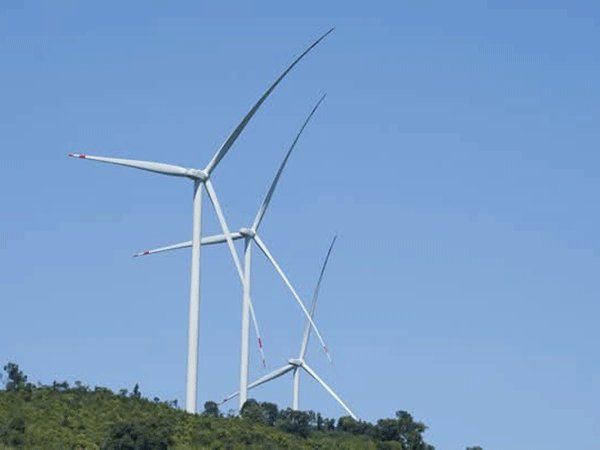
The energy dimension of Laos-Vietnam cooperation carries implications beyond the two countries. Laos has emerged as a major exporter of electricity within Southeast Asia, with hydropower plants supplying power to Thailand, Cambodia and Vietnam. Vietnam's growing electricity demand—driven by industrial development, urbanisation and the energy transition—makes Laos an increasingly valuable supplier. The proposed 500-kilovolt transmission line represents a modernisation of this energy relationship, moving beyond older infrastructure and enabling larger-scale bilateral electricity trading. This development fits within the broader Association of Southeast Asian Nations agenda for regional power connectivity and climate transition, aligning Laos's hydropower assets with Vietnam's clean energy objectives.
Beyond the figures and project lists lies a strategic realignment occurring quietly across Southeast Asia. Laos and Vietnam are not merely trading neighbours; they share communist party histories and maintain close political ties that inform their economic cooperation. The infrastructure being built serves political as well as commercial ends, tightening integration between the two nations at a moment when great power competition is reshaping regional geopolitics. For Malaysia and other Southeast Asian nations, these developments underscore the importance of maintaining robust bilateral relationships with neighbours and ensuring that Malaysia remains a competitive destination for intra-regional investment and trade.
Looking ahead, officials from both countries have committed to addressing any outstanding impediments to the implementation of agreed projects and programmes. This problem-solving orientation is encouraging, as infrastructure ventures frequently encounter delays due to financing gaps, environmental assessments, technical disagreements or shifts in political priorities. The willingness of senior officials to flag and tackle difficulties early suggests that Laos and Vietnam are determined to deliver tangible results from their cooperation framework. Such pragmatism will prove essential if these ambitious transport and energy corridors are to materialise and generate the economic benefits both nations anticipate.

