The arrival of a dedicated government sea ambulance service promises to transform emergency healthcare delivery to Langkawi, an island destination that has long struggled with the limitations of conventional ferry transport for medical emergencies. The initiative, expected to commence operations in the first quarter of 2025, represents a significant infrastructural investment aimed at bridging a critical healthcare access gap that has affected both the island's resident population and its substantial tourist demographic.
Malaysia's Finance Ministry has committed RM5.5 million toward acquiring the sea ambulance vessel and supporting its initial operational phase, signalling a concrete policy shift toward addressing healthcare disparities faced by residents of peripheral maritime communities. This funding allocation reflects recognition that island populations face unique medical transport challenges fundamentally different from those on the peninsula, where road networks enable rapid transfer of emergency cases to major medical facilities.
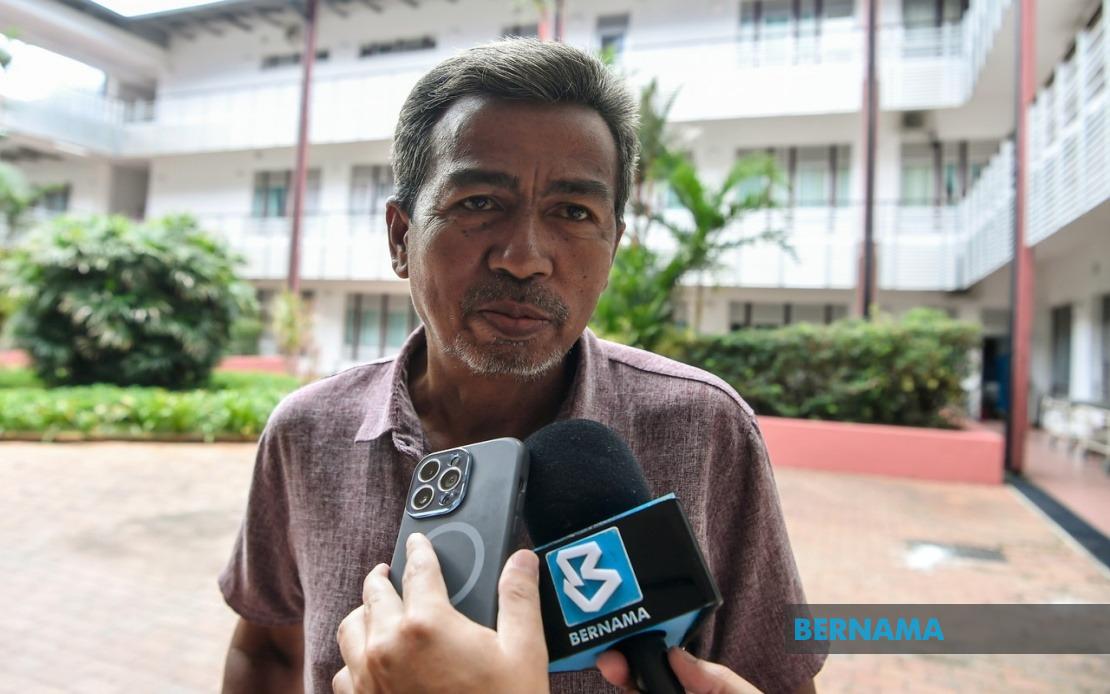
Muhamad Hafiz Abdul Jalil, a 48-year-old contractor active in the local business community, articulated a sentiment shared across Langkawi's working population: the existing reliance on commercial ferry services has created genuine hardship when urgent medical situations arise. Ferry vessels, designed primarily for passenger comfort on scheduled routes, lack the medical infrastructure, trained personnel, and operational flexibility required for transporting critically ill or injured patients. The absence of a purpose-built medical transport vessel has forced families to make agonising decisions about timing evacuations to coincide with ferry schedules rather than medical urgency.
The anticipated service addresses both the frequency and capability limitations that have characterised emergency medical transport on Langkawi. Unlike commercial ferries that operate on fixed timetables and may suspend services during adverse weather, a dedicated sea ambulance can be mobilised at any hour and navigate conditions that would ground standard passenger vessels. This operational flexibility carries particular significance given that medical emergencies, by definition, occur unpredictably and often during night hours when ferry services cease operations.
Yusuf Zakaria, chairman of the Langkawi Small Traders Association, highlighted a crucial distinction between the new government service and the existing privately-operated water ambulance. While recognising the value of non-governmental alternatives, Zakaria emphasised that government provision ensures standardised safety protocols, trained medical personnel, and regulatory oversight that consumers can depend upon consistently. This quality assurance dimension matters substantially in emergency contexts where unpredictability and confusion create additional patient risk.
The service carries particular significance for Langkawi's tourism sector, which generates substantial economic activity and employment across the island's accommodation, hospitality, and entertainment industries. Tourists encountering medical crises—ranging from acute illness to serious injuries—require rapid access to tertiary medical facilities concentrated on the mainland. The previous necessity of arranging ad-hoc evacuation solutions created both operational uncertainty and potential liability concerns for resort operators. A formal government sea ambulance service provides the institutional framework that tourism businesses require for comprehensive risk management and insurance compliance.
Masri Ahmad, a 61-year-old trader, underscored how the service extends beyond mere convenience, representing genuine relief from the anxieties that families experience when facing medical emergencies in an island setting. The psychological burden of uncertainty—whether transport can be arranged, whether timing will be adequate, whether available options are appropriate for the patient's condition—compounds the stress that medical crises inevitably generate. Government provision of dedicated transport removes this uncertainty layer and allows families to focus entirely on the medical aspects of their situation.
The RM5.5 million allocation encompasses not merely vessel acquisition but critically includes funding for the service's initial operational costs, ensuring the ambulance can be properly staffed, maintained, and deployed without facing immediate sustainability pressures. Many government initiatives falter when capital funding proves insufficient to cover recurrent operational expenses, forcing services to reduce operating hours or eventually cease. The comprehensive funding approach here suggests commitment to establishing a viable long-term service rather than a temporary pilot programme.
Implementation of this service represents a broader policy recognition that peripheral island communities warrant equivalent healthcare access standards to mainland urban centres. Langkawi's geographic isolation, while creating economic opportunities through tourism, simultaneously generates systematic disadvantages in emergency medical access. Formal government intervention through dedicated sea ambulance services corrects this geographic equity gap and establishes a model potentially applicable to other island communities facing analogous challenges.
The service's introduction also creates opportunities for enhanced coordination between island-based medical facilities and mainland tertiary hospitals. Dedicated ambulance personnel can establish communication protocols, referral pathways, and patient information systems that facilitate seamless continuity of care during inter-hospital transfers. This institutional integration strengthens the overall island healthcare system beyond the mere transport function.
For Malaysian policymakers monitoring outcomes, the Langkawi sea ambulance represents an experiment in addressing healthcare accessibility in archipelagic contexts. Regional analysis will likely examine whether the service achieves anticipated response times, patient outcomes, and cost efficiency metrics, with implications for similar initiatives across Southeast Asia's maritime nations, where island healthcare access remains a persistent policy challenge. The success or limitations encountered will inform future investment decisions regarding emergency transport infrastructure for other peripheral populations.

