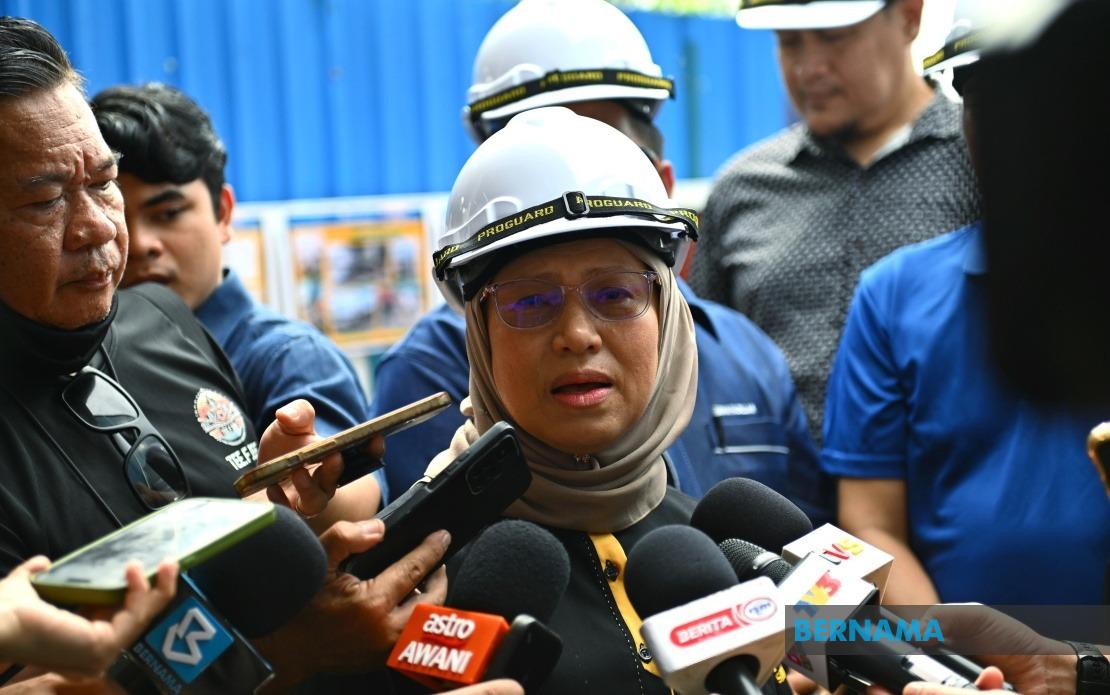
The Social Welfare Department has directed a kindergarten in Langkawi to temporarily close its doors while law enforcement completes an investigation into serious allegations of child neglect and inappropriate handling of youngsters in its care. Women, Family and Community Development Minister Datuk Seri Nancy Shukri announced the directive following reports of concerning practices at the facility, signalling a coordinated response from multiple government agencies concerned with child protection and welfare standards in Malaysia's early childhood education sector.
Although the kindergarten falls under the regulatory purview of the Education Ministry, the Social Welfare Department has stepped in due to the fundamental child protection dimensions of the case. Minister Shukri indicated that the investigation is proceeding under Section 31 of the Child Act 2001, a provision that addresses offences against children and violations of their fundamental rights. The temporary closure remains in effect until investigators conclude their examination of the allegations and gather sufficient evidence to determine whether breaches of law or regulation have occurred.
The allegations surfacing from a former kindergarten employee paint a troubling picture of conditions at the facility. According to Langkawi district police chief ACP Khairul Azhar Nuruddin, the whistleblower has reported that children were required to sleep on bare floors without mattresses and were allegedly confined within toilet areas as a form of punishment or control. These claims, if substantiated, would represent serious violations of child care standards and potentially constitute criminal offences under Malaysian child protection legislation. Police are currently examining the validity of these accusations through multiple investigative avenues, including analysis of CCTV recordings from the premises and collection of statements from witnesses with direct knowledge of operations at the kindergarten.
The Social Welfare Department has mobilised its child protection officers to work alongside police and the District Education Office in gathering information and preparing investigative reports. This collaborative approach reflects the serious nature of the allegations and the multi-agency commitment to ensuring child safety within educational facilities. Minister Shukri has also cautioned the kindergarten operator regarding matters of child care, safety, and welfare, reminding the facility of its obligations to comply with all relevant regulations governing early childhood education in Malaysia.
The incident underscores growing concerns among parents and authorities about oversight and standards in Malaysia's private kindergarten sector. While many facilities operate responsibly, cases like this expose gaps in monitoring and accountability mechanisms. The swift action by the Social Welfare Department—issuing an immediate directive for temporary closure rather than allowing operations to continue during investigation—suggests recognition of the urgency required when child welfare is at stake. Parents have been advised to cooperate fully with police instructions to maintain their children's safety and aid the investigative process.
For Malaysian families, particularly in Langkawi, the incident raises important questions about due diligence when selecting early childhood education providers. The allegations highlight the value of transparency, accessible complaint mechanisms, and regular facility inspections as safeguards against mistreatment. Parents are increasingly expected to monitor their children's behaviour and demeanour for signs of distress or trauma, serving as an additional layer of protection when institutional oversight proves insufficient. The case also demonstrates that former employees can play a crucial role in protecting vulnerable children by reporting observed misconduct to authorities rather than remaining silent.
This situation reflects broader Southeast Asian challenges with childcare facility standards. Countries throughout the region have grappled with balancing the rapid expansion of private early childhood education with adequate regulatory frameworks and enforcement capacity. As Malaysia's economy grows and more parents enter the workforce, demand for kindergarten places has surged, potentially outpacing the government's ability to conduct thorough inspections and ensure consistent compliance with care standards. The incident may prompt renewed examination of licensing procedures, facility inspection frequency, and the qualifications and training requirements for childcare providers.
Meanwhile, the investigation's outcome will carry implications for kindergarten regulation more broadly. If authorities determine that violations did occur, the case may catalyse stricter enforcement of existing regulations or the introduction of new requirements for facility operators. Questions may also emerge regarding why initial complaints or warning signs did not trigger intervention sooner. The government may face pressure to establish more accessible reporting channels for parents and staff to flag concerns, as well as to enhance the visibility of inspection results so families can make informed choices about childcare providers.
The temporary closure order applies specifically to this facility, but the underlying concerns it reflects are systemic. The ease with which a kindergarten could allegedly maintain such practices—at least until a former staff member reported them—suggests that current oversight mechanisms may be insufficient. Regular, unannounced inspections; documented compliance audits; and clear reporting pathways for concerns could significantly strengthen the protective framework surrounding young children in educational settings. The case demonstrates that regulatory bodies must move swiftly when credible allegations emerge, prioritising child safety over the operational interests of facility operators.
As investigations continue, the kindergarten operator will face potential legal consequences depending on what evidence investigators uncover. Beyond criminal liability, the facility may face administrative sanctions, permit revocation, or civil claims from affected families. The reputational damage alone will likely prove devastating, serving as a cautionary tale for other providers considering cost-cutting measures or neglectful practices. For the children involved and their families, the incident has undoubtedly created trauma and justified anger, underscoring why robust protective systems matter profoundly in settings where the most vulnerable members of society spend their days.

