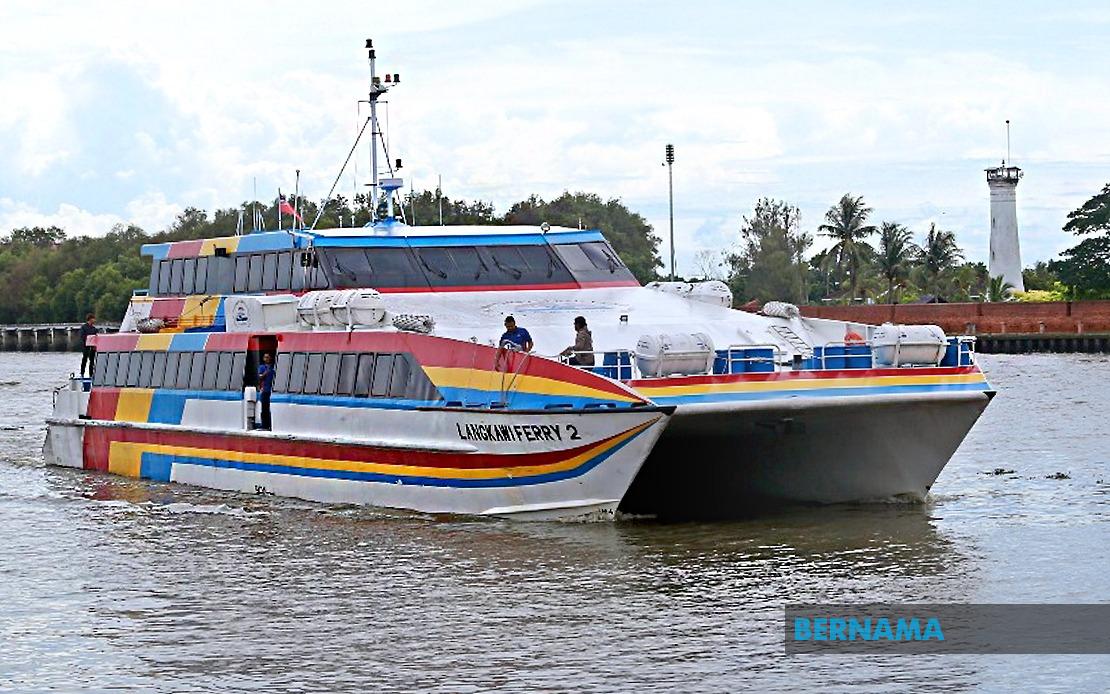
Ferry operators serving Langkawi have made an urgent plea to federal authorities to prioritise dredging operations in the navigation corridors at Kuala Kedah and Kuala Perlis, where accumulating sediment is rapidly undermining the safety and reliability of critical transport links. The appeal comes as Malaysia enters its peak holiday travel season, with thousands of tourists and locals relying on ferry services to reach the island destination.
Lieutenant Commander (Retired) Norhafiz Abdul Wahid, operations manager of Ferry Line Ventures Sdn Bhd, articulated the growing operational challenges posed by increasingly shallow waterways. Beyond the immediate safety concerns for passenger vessels navigating these routes, the deteriorating channel conditions are creating cascading disruptions to schedules and threatening to strand travellers during periods of heavy demand. The narrow margins for manoeuvre in shallow waters significantly amplify accident risks, particularly when ferries must accommodate thousands of passengers simultaneously.
The importance of maintaining these shipping corridors extends well beyond the ferry industry itself. Ferry services represent the backbone of passenger transportation to and from Langkawi, serving as a vital economic lifeline for the island's substantial tourism economy. During peak periods, these maritime links demonstrate remarkable capacity, with industry records indicating the ability to transport up to 25,000 tourists daily to the island. This figure underscores why port infrastructure maintenance is not merely a logistical concern but a strategic national asset affecting Malaysia's competitive position as a regional tourist destination.
The timing of this appeal carries particular weight. Ferry operators are concerned that without immediate intervention, the silt problem will intensify operational complications precisely when demand peaks. Next year's hosting of the Langkawi International Maritime and Aerospace Exhibition (LIMA) adds urgency to the situation, as the event will draw international visitors and significantly amplify pressure on ferry services. Should dredging remain unaddressed, the island risks suffering reputational damage and capacity constraints during this high-profile international showcase.
Norhafiz emphasised that dredging must be conceived not as a one-time remedial measure but as part of systematic, regularly scheduled maintenance protocols. Comprehensive channel maintenance would ensure sustained safety standards while enabling ferry operators to expand capacity to meet growing passenger volumes. This preventive approach, though requiring sustained investment, ultimately proves more cost-effective than managing crises arising from neglected infrastructure.
The immediate operational context illustrates why this infrastructure challenge demands priority attention. During the current school holiday season and National Day celebrations spanning late August through early September, ferry operators are deploying expanded capacity with 176 regular scheduled trips supplemented by an additional 66 services. Passenger projections anticipate approximately 90,000 travellers utilising the two primary routes linking Langkawi with Kuala Perlis and Kuala Kedah. By late August, online sales, counter bookings and advance reservations had already exceeded 86,000 tickets, indicating robust demand that will test existing operational capabilities.
The logistics of managing this volume across dual ferry corridors highlights why channel integrity is mission-critical. Ferry operators have implemented online booking systems through platforms such as the Cuti-Cuti Langkawi application to facilitate advance purchasing and manage demand distribution. This modernisation of booking infrastructure demonstrates the industry's commitment to operational excellence, yet such efforts cannot compensate if the fundamental waterway infrastructure deteriorates.
For Malaysian policymakers, this situation illustrates how infrastructure maintenance in one sector directly influences competitiveness across multiple industries. Tourism represents a significant revenue generator for Malaysia, and island destinations like Langkawi feature prominently in national tourism strategies. When ferry infrastructure faces degradation, the consequences ripple through hotels, restaurants, attractions and associated service providers across the island. Deferred maintenance thus represents a false economy, ultimately imposing far greater costs through lost tourism revenue and damaged reputation.
The geographic position of Langkawi, situated between Kuala Kedah and Kuala Perlis in Kedah state, creates a natural bottleneck where dredging challenges concentrate. Both waterway corridors funnel all ferry traffic through narrow channels vulnerable to silt accumulation from natural processes and upstream sediment flows. Unlike deep-water ports requiring less frequent maintenance, these shallow-draft channels demand regular attention to preserve navigability. The monsoonal climate typical of Malaysia's northwest coast further complicates the situation, as seasonal weather patterns influence sediment deposition and waterway conditions.
Industry observers note that this is not an isolated infrastructure concern but part of broader patterns affecting Malaysian port facilities. Regional competition from Thailand, Indonesia and Singapore for tourism market share means that operational reliability directly influences where international visitors choose to travel. If Langkawi ferry services become unreliable due to infrastructure neglect, tourists simply divert to alternative destinations offering more dependable transportation. This competitive dynamic should incentivise federal investment in maintaining Langkawi's transport infrastructure.
The ferry operators' appeal ultimately reflects a fundamental principle of infrastructure policy: planned, systematic maintenance costs substantially less than managing failures. The current window remains open for preventive action. Dredging programmes initiated now would ensure smooth operations throughout peak season and position Malaysia to host LIMA 2025 without transportation constraints. Conversely, prolonged delays risk operational breakdowns that could embarrass Malaysia internationally and impose severe economic costs on Langkawi's tourism-dependent communities.

