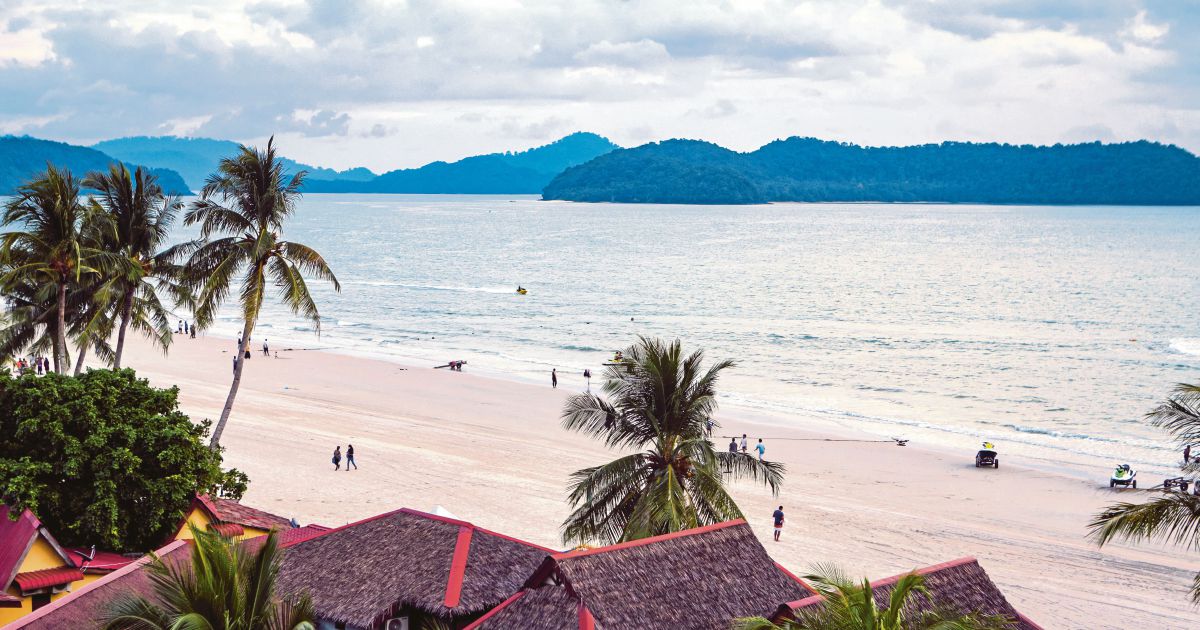
Langkawi stands as a symbol of unfulfilled promise, according to Tun Dr Mahathir Mohamad, who contends the island has managed to realise merely half of what it might have accomplished since receiving its duty-free status almost four decades ago. The former prime minister's assessment carries particular weight given his instrumental role in establishing the island as a special economic zone, making his candid acknowledgement of shortcomings a sobering reflection on the state of one of Malaysia's flagship tourist destinations.
The duty-free designation, granted in the mid-1980s, was intended to position Langkawi as a premier shopping and leisure hub capable of competing alongside Thailand's Phuket and other major Southeast Asian resorts. The policy framework created favourable conditions for investment and commerce, yet the island's trajectory reveals a marked gap between initial expectations and actual achievement. This performance gap raises critical questions about the effectiveness of policy implementation, private sector engagement, and the long-term strategic vision guiding the island's development.
Dr Mahathir's observation points to a broader pattern affecting Langkawi's competitiveness. While the island has developed a tourism industry and attracted visitors, its growth has not matched the explosive expansion seen in rival destinations across the region. Thailand, Indonesia's Bali, and Philippines' resort islands have leapfrogged Langkawi in infrastructure quality, entertainment options, and brand recognition, despite starting from comparable positions in the 1980s. This relative decline reflects not merely market dynamics but specific failures in strategy and execution that have allowed competitors to capture larger shares of the region's expanding tourist market.
Infrastructure constraints represent one critical dimension of Langkawi's underperformance. While basic facilities exist, the island's accommodation capacity, dining establishments, and entertainment venues have not evolved sufficiently to meet contemporary traveller expectations or accommodate the volume of visitors that modern tourism economics demands. Ageing facilities and delayed upgrades have created a perception of stagnation, particularly among the affluent and experience-seeking demographics that generate the highest spending.
The island's reliance on a limited range of attractions constitutes another impediment to realising fuller potential. Successful competitors have diversified offerings to appeal to multiple visitor segments simultaneously—families, adventure seekers, luxury travellers, and business conferences all find tailored options. Langkawi's portfolio, by contrast, has remained comparatively narrow, constraining the duration of stays and repeat visitation rates essential to sustained tourism revenue growth.
Management and governance issues also appear to underlie Langkawi's trajectory. Coordinating development across multiple stakeholders—federal authorities, state government, the Langkawi Development Authority, private investors, and local communities—creates complex bureaucratic challenges that have frequently resulted in delayed decisions and fragmented initiatives. This fragmentation contrasts sharply with more nimble competitors operating in jurisdictions with streamlined decision-making structures capable of responding rapidly to market opportunities.
Human capital represents an additional factor constraining the island's advancement. Service industries thrive on quality workforce training, customer service excellence, and management sophistication. Langkawi's hospitality sector has grappled with labour shortages and inconsistent service standards, problems that visiting tourists immediately perceive and communicate through contemporary digital channels, thereby damaging reputation and deterring return visits.
The financial services and professional services ecosystem supporting tourism also remains underdeveloped in Langkawi relative to leading regional competitors. World-class destinations benefit from robust arrangements in banking, insurance, logistics, and business support services that facilitate smooth operations for international hospitality groups and attract quality anchor tenants capable of elevating the overall experience.
Marketing and brand positioning constitute perhaps the most visible gap. Langkawi's international profile has become increasingly generic, lacking the distinctive positioning that captures consumer imagination and justifies premium pricing. Successful destinations craft compelling narratives about their unique characteristics—cultural richness, natural wonders, innovative design—that resonate emotionally with potential visitors and set them apart in crowded markets. Langkawi's marketing efforts have frequently failed to establish such differentiation effectively.
The implications of continued underperformance extend beyond tourism revenue. Langkawi's development has spillover effects throughout Kedah's economy, influencing employment, infrastructure investment, and regional prosperity. A stalled destination fails to generate the economic dynamism and employment opportunities necessary to retain younger talent and prevent the demographic challenges facing many island communities across Southeast Asia.
Addressing these challenges demands comprehensive rethinking of development priorities, governance arrangements, and investment strategies. Competitors did not surge ahead through inertia—they made deliberate choices prioritising quality infrastructure, diversified attractions, and visitor experience excellence. Langkawi possesses inherent assets—natural beauty, geographic proximity to growing markets, established tourism infrastructure—that could support genuine transformation if governance, strategy, and execution aligned.
Dr Mahathir's candid assessment suggests recognition within leadership circles that incremental adjustments prove insufficient for the scale of challenge confronting the island. Realising the remaining half of Langkawi's potential would require sustained, coordinated effort addressing infrastructure modernisation, workforce development, strategic marketing, and governance reform. Without such comprehensive intervention, the risk materialises that Langkawi settles into the role of a second-tier destination, adequate for domestic tourism but increasingly bypassed by international visitors with wider options.

