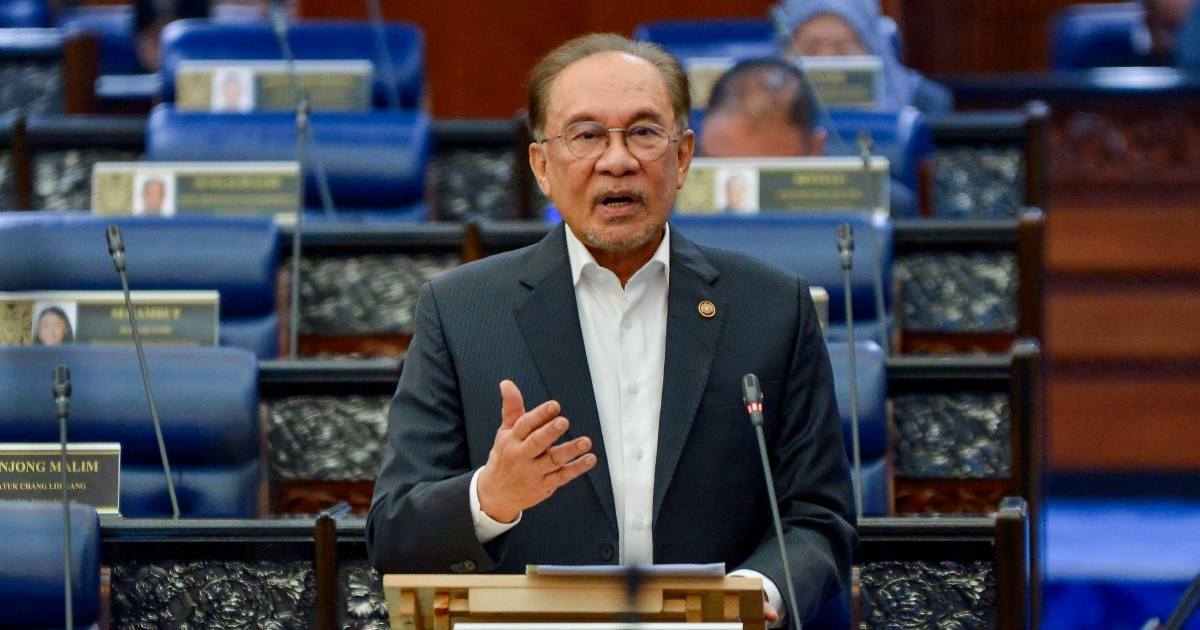
Malaysia's pension funding challenge has intensified, with Retirement Fund Incorporated's (KWAP) investment returns proving inadequate to bridge a widening gap between what the fund earns and what the government must disburse annually to retirees. Prime Minister Datuk Seri Anwar Ibrahim brought the figures into sharp focus, noting that whilst KWAP generated RM12.9 billion in investment earnings, the state's annual pension commitments amount to nearly RM45 billion—leaving a structural deficit that demands sustained government subsidy.
The shortfall underscores a fundamental reality facing Malaysia as its public sector workforce ages and retiree populations swell. Unlike private pension schemes that can adjust contribution rates or benefit formulas with relative flexibility, government pensions carry constitutional and contractual protections that constrain policy options. The gap between KWAP's earnings capacity and pension outflows represents not merely an accounting problem but a bellwether of fiscal pressure that will intensify over coming decades unless underlying dynamics shift.
KWAP, which manages retirement savings for Malaysian civil servants and statutory body employees, has invested aggressively across domestic equities, fixed income, real estate, and international portfolios to maximize returns. The RM12.9 billion figure reflects reasonable performance within a volatile global investment environment, yet pales against the scale of obligations owed to hundreds of thousands of pensioners drawing defined benefits based on years of service and final salary calculations. This income-expenditure mismatch has grown more pronounced as demographic trends favour retirees over active contributors.
The sustainability challenge extends beyond immediate budget cycles. Malaysia's public sector pension scheme operates on a largely unfunded basis, relying on current government revenues to pay current retirees rather than accumulated reserves. This pay-as-you-go model functioned adequately when the ratio of active workers to pensioners remained favourable, but deteriorating demographics have inverted that equation. Fewer working civil servants now support each retiree, compressing KWAP's investment base whilst pension rolls expand.
International comparisons reveal Malaysia is not alone in grappling with pension deficits, yet the challenge assumes particular weight in Southeast Asia where fiscal space remains constrained and competing demands for health, education, and infrastructure spending intensify. Regional peers including Singapore and Thailand have adopted different approaches—ranging from means-tested supplements to gradual increases in retirement ages—yet each confronts similar demographic pressures. Malaysia's governance framework, however, complicates rapid reform owing to constitutional protections and union sensitivities around pension conditions.
The RM45 billion annual pension bill encompasses not only civil service pensions but also survivor benefits, disability pensions, and gratuities stretching across multiple government schemes. This consolidated obligation, whether met through KWAP earnings, general revenue allocations, or special levies, represents a significant and growing claim on the national budget. In fiscal years where economic growth slackens or revenue collection disappoints, pension outlays become a rigid anchor that crowds out discretionary spending elsewhere.
Anwar's disclosure carries political and economic significance beyond the raw numbers. By publicly articulating the scale of the pension funding gap, the government signals acknowledgment of a structural challenge requiring sustained attention and potentially difficult policy adjustments. The transparency also sets tone for stakeholder dialogue—inviting civil service unions, retiree associations, and parliamentary committees to engage seriously with options ranging from contribution adjustments to benefit reforms to modified retirement ages.
KWAP's investment strategy gains additional weight in this context. The fund has gradually shifted toward higher-yielding asset classes and international diversification to boost returns, recognising that domestic interest rates alone cannot generate required investment income. Global equity exposure and emerging market investments offer growth potential, yet introduce currency and volatility risks that must be managed carefully. The RM12.9 billion return reflects a reasonable yield across a diversified portfolio, yet demonstrates that even prudent asset management cannot fully resolve a funding gap rooted in demographic and structural factors.
The broader implications extend to Malaysia's long-term fiscal sustainability and competitiveness. Pension obligations that absorb rising shares of government revenue constrain capacity for productive investments in human capital, infrastructure, and innovation. Over time, elevated pension costs relative to economic growth can erode fiscal credibility and borrowing capacity, creating ripple effects across the entire public sector. Regional investors and credit rating agencies monitor such metrics closely when assessing country risk premiums and investment attractiveness.
Policymakers considering solutions must weigh multiple constraints and stakeholder interests. Immediate benefit cuts risk alienating the public sector workforce and retiree communities. Raising contribution rates burdens active civil servants whilst potentially making public service less attractive as a career. Extending the retirement age faces demographic and social resistance. Gradually increasing government subsidy diverts resources from other priorities. Realistically, sustainable solutions likely involve measured adjustments across multiple dimensions rather than any single dramatic intervention.
The disclosure also highlights the importance of KWAP's governance and investment management. As the fund's performance directly influences the size of pension deficits that government must cover, enhancing returns through sophisticated asset allocation and risk management becomes a matter of national fiscal interest. The fund's board and investment committee thus bear responsibility for maximising earnings within prudent risk parameters—a mandate that extends well beyond typical pension fund considerations.
Looking forward, Malaysia must develop a coherent, long-term strategy for pension sustainability that balances protection of current retirees, fairness to active contributors, and fiscal stability for future generations. This may require legislative adjustments, incremental benefit formula modifications, and honest public discussion about retirement security in an era of demographic change. The gap between KWAP's RM12.9 billion earnings and RM45 billion pension obligations represents both a numerical challenge and an opportunity to build more resilient, sustainable systems that preserve the social contract whilst ensuring fiscal prudence.

