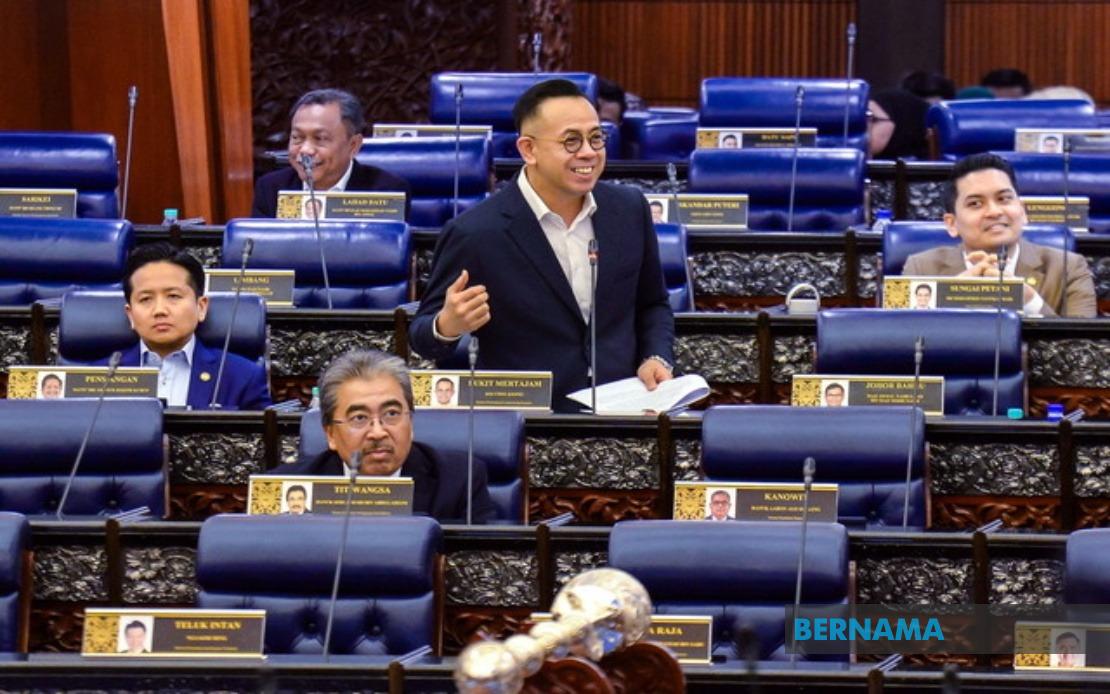
The Ministry of Entrepreneur and Cooperative Development (KUSKOP) has channelled nearly RM3 billion into a sustained effort to develop the Bumiputera business sector from 2023 through 2025, according to Minister Steven Sim Chee Keong. The substantial investment reflects the government's commitment to building a more inclusive entrepreneurial landscape across Malaysia's diverse business ecosystem.
The ministry gauges programme success through concrete performance metrics rather than expenditure alone. Among the key benchmarks, participants have achieved minimum sales increases of 20 per cent, while 150 companies have successfully expanded their operational scale. These outcome-focused indicators provide a clearer picture of how government funds translate into tangible economic growth at the enterprise level, moving beyond simple disbursement figures to demonstrate actual value creation for participating entrepreneurs.
During parliamentary Question Time, Sim outlined the broader financing picture across all business categories. In the first five months of 2025, KUSKOP approved financing totalling RM5 billion, benefiting approximately 180,000 entrepreneurs nationwide regardless of ethnic background. This reflects the ministry's dual mandate to support broad-based entrepreneurship while maintaining targeted initiatives for Bumiputera participants, acknowledging that sustainable economic development requires inclusive growth strategies.
The Bumiputera-specific support has been equally robust. From 2025 through May 2026, dedicated programmes under KUSKOP's agencies approved financing worth RM1.407 billion to more than 53,000 Bumiputera entrepreneurs. Among these beneficiaries, 11,469 young Bumiputera entrepreneurs accessed over RM251 million in assistance, signalling a strategic focus on generational wealth creation and entrepreneurial succession within the community. This youth-directed allocation recognises that building long-term economic resilience requires cultivating the next generation of capable business leaders.
Beyond financial assistance, KUSKOP has prioritised sector-specific development to enhance market competitiveness. The ministry actively promotes halal industry certification among entrepreneurs, viewing this as a gateway to expanded domestic and international market access. As Malaysia positions itself as a global halal hub, connecting local entrepreneurs to certification pathways and export opportunities represents a value-added service that multiplies the impact of direct financing programmes.
Recognising the fragmented nature of government support systems, KUSKOP has implemented a coordinating framework to streamline access for micro, small, and medium enterprises (MSMEs). SME Corp Malaysia has been designated as the central coordination point, functioning as a single point of reference for entrepreneurs navigating multiple government agencies. This consolidation addresses a persistent challenge where businesses struggle to identify relevant assistance schemes, effectively creating an invisible barrier despite abundant available support.
The coordination framework extends beyond direct financing. SME Corp has been empowered to act as an information hub, directing applicants to appropriate agencies based on their specific needs and business profiles. This matching function reduces the time entrepreneurs spend searching for suitable programmes and increases the probability that assistance reaches businesses with genuine capacity to utilise and benefit from support. The approach reflects growing sophistication in how governments design intervention mechanisms.
Digitalisation has amplified these coordination efforts. KUSKOP has developed a comprehensive online portal listing support offerings from over 60 government agencies, creating what effectively functions as a single-window mechanism accessible from any location. For entrepreneurs in Malaysia's regional centres and smaller cities, this digital access removes geographic disadvantage and enables informed decision-making about which programmes align with specific business circumstances and development stages.
The scale of KUSKOP's investment carries broader implications for Malaysia's economic direction. By concentrating resources on measurable business outcomes rather than symbolic disbursements, the ministry demonstrates commitment to accountability and results-oriented governance. For Malaysian businesses competing in regional markets increasingly dominated by dynamic Southeast Asian economies, building a larger and more capable Bumiputera entrepreneurial base strengthens national economic resilience and reduces structural vulnerabilities inherent in concentrated ownership patterns.
The emphasis on youth engagement within Bumiputera empowerment programmes addresses demographic trends that see younger Malaysians increasingly gravitating toward digital commerce and innovation-driven ventures. Targeted support for young entrepreneurs in these emerging business models ensures that Bumiputera participation in future-oriented sectors remains substantive rather than peripheral, securing community stakes in growth sectors that will define Malaysia's economic trajectory through the coming decade.
Looking forward, the systematic measurement of programme effectiveness through sales growth, business expansion, and employment outcomes establishes a foundation for continuous improvement. When subsequent allocations are evaluated against baseline performance metrics, government can refine approaches, discontinue underperforming initiatives, and scale successful models. This data-driven methodology transforms entrepreneurship support from a relatively static subsidy system into a dynamic ecosystem that evolves in response to actual market realities and demonstrated business needs, ultimately strengthening both individual enterprise performance and Malaysia's collective entrepreneurial capacity.

