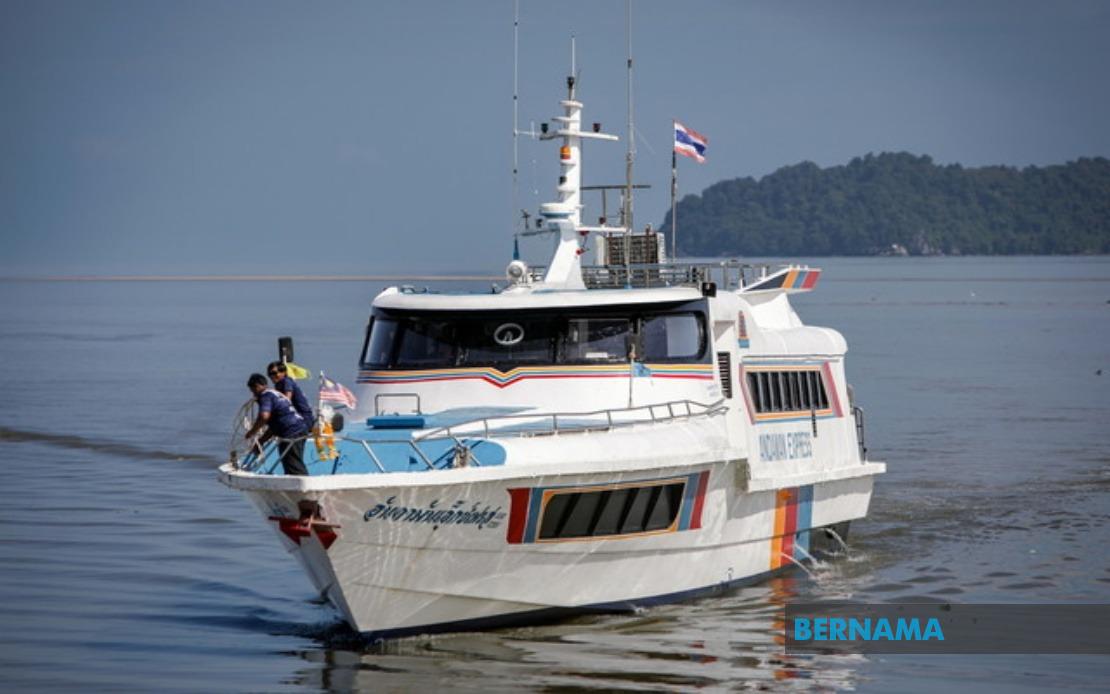
After more than three years of suspension caused by the COVID-19 pandemic, the maritime link between Kuala Perlis and Satun is poised to reopen its doors on Thursday, July 9. The restoration of this cross-border ferry route carries significant implications for regional integration and economic recovery in one of Southeast Asia's most culturally rich border regions. Perlis Menteri Besar Abu Bakar Hamzah has signalled that the reopening marks the beginning of a concerted effort to harness tourism as a driver for shared prosperity between Malaysia's northernmost state and Thailand's Satun Province.
The interruption spanning the pandemic years represented a substantial loss of connectivity for residents and travellers who routinely used the service to cross the border. Beyond the practical inconvenience, the closure disrupted established patterns of regional commerce and cultural exchange that had evolved over decades. The reimposition of direct maritime access removes a significant friction point for those seeking to explore attractions on both sides of the border. Abu Bakar's emphasis on the smooth execution of operational simulations at Tammalang Jetty underscores the meticulous preparations undertaken to ensure that the service launches without incident, with all regulatory frameworks and safety protocols now firmly in place.
Central to the strategic vision articulated by Perlis leadership is the formation of a tripartite cooperative arrangement encompassing Perlis Geopark, Satun UNESCO Global Geopark, and Langkawi UNESCO Global Geopark. This institutional framework reflects a sophisticated understanding of how geographical proximity and shared natural heritage can be leveraged for mutual benefit. The three geopark designations represent international recognition of the geological and ecological significance of these territories, assets that become exponentially more valuable when integrated into seamless travel experiences. By establishing formal coordination mechanisms among these three entities, policymakers aim to create compelling itineraries that encourage visitors to explore multiple destinations within a single journey, thereby distributing tourism revenue more equitably across the region.
Operational considerations have been carefully calibrated to balance market realities with the imperative to build momentum. The service will commence with a single daily sailing, a conservative approach that allows operators to establish reliable scheduling and permits demand indicators to emerge before committing to expanded capacity. This phased rollout reflects practical wisdom about the uncertainties inherent in restarting services after prolonged closures. Competition for passenger traffic remains intense across the Andaman region, making competitive pricing essential for market viability. Discussions between state authorities and ferry operators regarding fare structures acknowledge this commercial reality while attempting to use promotional incentives strategically during the launch phase to cultivate passenger habits.
Infrastructure enhancements underway at the Kuala Perlis Roll-on-Roll-off Terminal demonstrate commitment to modernising the physical infrastructure supporting the service. The development of dedicated routing mechanisms and terminal improvements address both operational efficiency and passenger comfort, recognising that in competitive tourism markets, experience quality substantially influences repeat visitation and positive word-of-mouth promotion. These investments position Kuala Perlis as a professional gateway rather than a utilitarian crossing point, an important psychological distinction for tourists accustomed to international-standard facilities.
From a regulatory perspective, the reopening reflects successful coordination among Malaysian security and customs agencies. The Royal Malaysian Customs Department, Malaysian Immigration Department, Marine Department and allied security bodies have conducted thorough preparations to ensure compliance with post-pandemic entry protocols while maintaining the expeditious processing that makes ferry travel attractive compared to alternative routes. This multi-agency alignment, achieved through the simulation exercise and subsequent procedural validation, represents a significant achievement in cross-border administration where jurisdictional complexity frequently creates operational bottlenecks.
The timing of this reopening coincides with broader regional discussions about post-pandemic recovery strategies and the role of tourism in economic revitalisation. The Andaman coastline has emerged as a priority development zone for both Malaysia and Thailand, with governments recognising that tourism expenditure catalyses secondary economic benefits throughout regional supply chains. The ferry service functions as critical infrastructure enabling this strategy, removing a physical barrier to the movement of visitors and their spending power.
For Malaysian readers, the resumed connectivity carries particular significance given Perlis's relative isolation from major tourism corridors. The state has historically struggled to achieve tourism penetration comparable to more celebrated destinations, a disadvantage rooted partly in geographical peripherality. Direct access to Satun's attractions and the inclusion of Satun in a coordinated geopark marketing strategy effectively expands the regional tourism geography, presenting Perlis as gateway to a broader portfolio of experiences rather than a standalone destination.
The cross-border dimension also invites reflection on the potential for such initiatives to deepen people-to-people connections across the Malaysia-Thailand border. Border regions, while economically valuable, sometimes exist as somewhat isolated zones within national consciousness. By positioning border communities as gateways to shared regional attractions, policymakers cultivate narratives that frame borders as connective rather than merely demarcatory. This shift in framing can have subtle but meaningful implications for regional stability and cooperation.
Looking forward, the success of the Kuala Perlis-Satun service will depend substantially on consistent execution and responsive management of emerging operational challenges. Ferry operations in tropical maritime environments present weather-related disruptions and maintenance demands that require sophisticated contingency planning. Additionally, the realisation of tourism revenue depends on effective marketing reaching appropriate source markets and delivery of visitor experiences that justify the journey relative to competing destinations.

