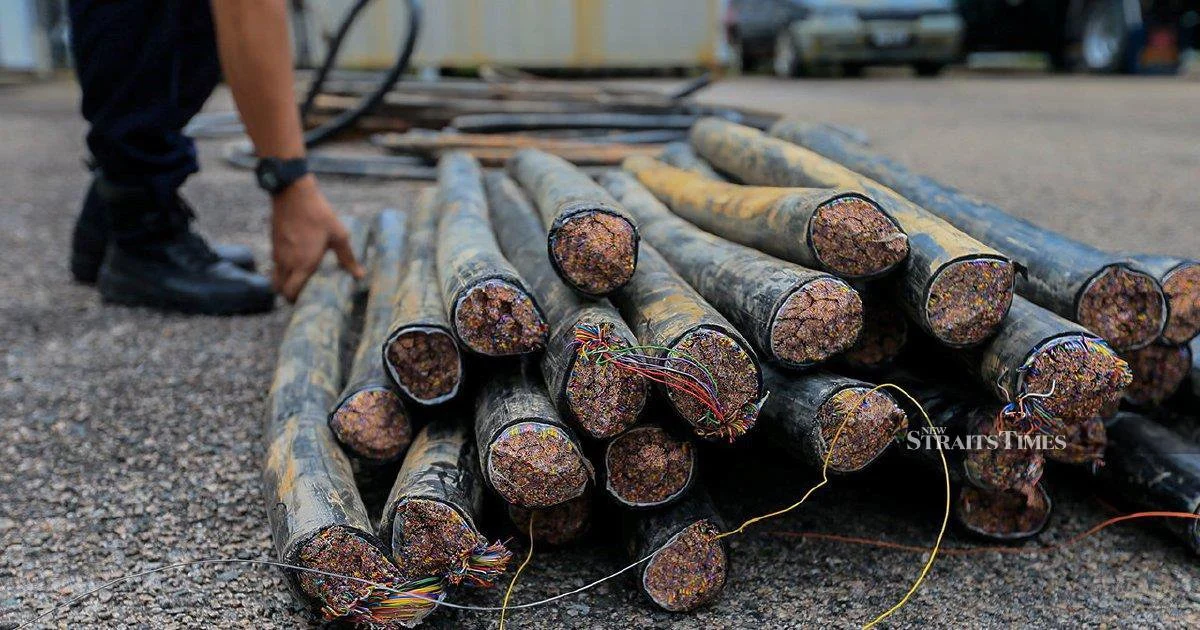
Kuala Lumpur's police force has achieved a notable breakthrough in combating cable theft, recording a sharp decline in reported incidents across the capital during the opening months of 2025. The figures present an encouraging picture for residents and businesses long frustrated by the persistent problem of metal cable pilfering that has disrupted telecommunications and power networks across the city. With only 71 cases logged between January and May, authorities are tracking towards a substantially lower annual total than the 205 incidents documented throughout 2025, signalling that sustained intervention is beginning to yield measurable results.
The reduction in theft cases reflects a comprehensive crackdown that has seen police apprehend 85 suspects during the five-month window. These arrests form part of a broader strategy to dismantle organised networks involved in cable theft, which typically target telecommunications infrastructure, electrical lines, and railway installations. The targeting of key perpetrators rather than merely responding to isolated incidents suggests a shift towards proactive investigation and intelligence-led policing that identifies and dismantles criminal operations at source.
Cable theft represents a particularly disruptive form of crime affecting Malaysia's urban infrastructure and economic functioning. When perpetrators strip copper, aluminium, and fibre optic cables from telecommunication networks and power installations, the consequences ripple beyond immediate property loss. Customers experience prolonged service interruptions, businesses suffer operational disruptions, and emergency services may face communication challenges. The cumulative cost of repairs and service restoration far exceeds the scrap metal value that motivates thieves, making prevention strategically important for authorities concerned with urban stability and business continuity.
The sophistication of organised cable theft operations has long posed enforcement challenges. Coordinated teams identify valuable infrastructure, execute thefts with minimal detection, and rapidly move stolen materials to scrap dealers who ask few questions. Some syndicates maintain established relationships with recycling businesses willing to purchase materials without proper verification of origin. Breaking these networks requires sustained investigation that traces stolen goods through the supply chain, a labour-intensive process that many departments traditionally lacked resources to prioritise.
The improved performance in Kuala Lumpur reflects lessons learned from previous enforcement initiatives in other jurisdictions and Malaysia's federal territories. Police have expanded surveillance of high-risk locations, implemented faster response protocols when thefts are reported, and established closer coordination with utility providers who often first discover missing cables. Intelligence sharing among enforcement agencies has also improved, allowing officers to identify patterns and anticipate where thieves may strike next.
The arrest figures offer insight into the operational scope of cable theft networks. With 85 suspects detained in five months, authorities appear to be targeting multiple tiers of criminal enterprise—from ground-level thieves to intermediaries who coordinate operations and fence stolen materials. Dismantling these organised structures requires sustained pressure and follow-through prosecutions that create genuine consequences rather than recycled arrests.
For telecommunications and power companies, the improved enforcement environment presents relief and opportunity. Malaysia's telecommunications sector, already stretched by infrastructure demands from rapid digital adoption and 5G deployment, experiences genuine operational stress from cable theft. When customers lose service due to theft-related damage, companies face not only repair costs but also reputational damage and regulatory scrutiny. The police improvements directly benefit these essential service providers and their customers.
The decline also reflects changing community awareness and reporting patterns. As police visibility increases in known theft hotspots and public messaging emphasises the serious consequences of cable theft, residents and business operators may be more inclined to report suspicious activity. This increased reporting, combined with effective police response, creates a reinforcing cycle where criminal networks face escalating detection risk and eventually relocate or abandon operations.
However, sustainability remains a critical question for law enforcement evaluators. Short-term crackdowns sometimes deflate crime statistics temporarily before criminal networks adapt or resume operations. Maintaining the current downward trajectory requires ongoing resource allocation, staff training, and coordination with other agencies. The transition from emergency response to systematic prevention depends on embedding anti-theft protocols into standard policing practice rather than treating enforcement as a temporary campaign.
For Malaysian businesses and residents watching urban crime trends, the cable theft figures carry broader significance. Infrastructure crime that disrupts essential services represents a particular concern in developing cities where both demand for services and vulnerability to organised crime remain elevated. The police success in Kuala Lumpur demonstrates that coordinated enforcement targeting criminal networks can produce measurable improvement, a lesson applicable across Southeast Asia's major urban centres facing similar challenges.
Looking forward, sustainability of these gains will determine whether the 2025 figures represent genuine progress or statistical fluctuation. Authorities maintaining this momentum should consider establishing sustained liaison with utility providers, implementing permanent surveillance at infrastructure vulnerability points, and pursuing organised crime investigation capabilities that extend beyond individual arrest cycles. The five-month performance suggests that systematic approaches can succeed, providing cautious optimism that cable theft might transition from perennial urban problem to manageable challenge.