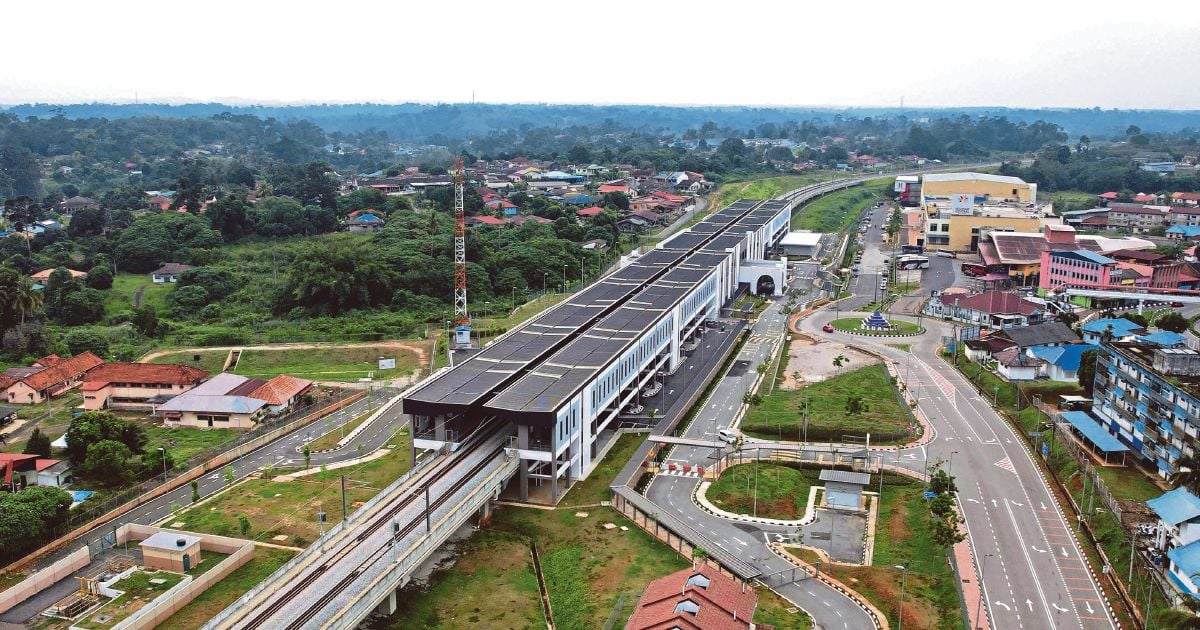
Malaysia's national rail operator Keretapi Tanah Melayu Berhad (KTMB) is mobilising additional train services across its southern corridor in anticipation of heightened passenger traffic during the forthcoming Johor state election this weekend. The enhanced capacity deployment, involving nearly 7,500 extra seats on the Electric Train Service, reflects the operator's commitment to facilitating voter mobility during the electoral period.
The expanded ETS operations represent a strategic coordination between public transport infrastructure and civic participation. KTMB's decision to introduce supplementary services specifically targets the southern sector, which encompasses the critical Kuala Lumpur to Johor Bahru corridor—a route that typically experiences substantial passenger volumes and stands to see even greater demand as voters from across the peninsula travel to exercise their electoral franchise in Johor.
Accompanying the service expansion is a promotional fare reduction of 20 percent exclusively for Johor voters, an incentive designed to encourage rail travel over road transport. This pricing strategy serves dual purposes: it removes financial barriers to participation in the democratic process while simultaneously distributing traffic pressure across multiple transport modes, potentially alleviating congestion on major highway routes that would otherwise absorb the surge in weekend election-related travel.
The timing of this initiative reflects operational planning that extends beyond standard commercial considerations. Election periods historically create unpredictable demand patterns, with concentrated passenger flows at specific times and on particular routes. By proactively expanding capacity, KTMB demonstrates recognition that public transport infrastructure constitutes an essential enabler of democratic participation, particularly for voters who rely on trains rather than private vehicles to reach polling centres.
For Malaysian commuters and voters residing in the central regions but registered to vote in Johor, reliable rail connectivity carries practical significance. The additional trains reduce waiting times and eliminate the need for standing-room-only journeys that characterise peak demand periods. Enhanced service frequency also provides scheduling flexibility, allowing voters to plan their travel more conveniently around polling day activities and commitments.
The discount mechanism warrants analysis as a transport policy instrument. While ostensibly a temporary electoral concession, such fare reductions demonstrate the feasibility of dynamic pricing structures that could eventually extend to other civic occasions or population segments. The precedent established here—using price incentives to direct transport demand during high-impact events—offers lessons for future infrastructure management during major national occasions or during periods of regional significance.
From a broader Southeast Asian perspective, Malaysia's approach to election-period transport coordination positions it within regional conversations about inclusive civic infrastructure. Countries across the region grapple with similar challenges of maintaining transport accessibility during periods of heightened population mobility, and KTMB's integrated approach—combining supply expansion through additional services with demand management through targeted pricing—represents a locally-contextualised solution that other developing democracies might reference.
Operationally, the deployment of 7,464 additional seats necessitates careful logistical execution. KTMB must coordinate train schedules, crew assignments, and maintenance protocols to ensure service reliability while operating enhanced frequency. The southern sector's existing infrastructure—from platform capacity at stations to signalling systems—must accommodate the increased throughput without compromising safety standards or punctuality targets that define regular service quality.
The election-specific measures also reflect evolving considerations within Malaysia's transport sector regarding equitable access to civic participation. By actively reducing barriers to voter mobility, KTMB acknowledges that election participation rates correlate with accessibility. Voters who face transport complications, whether through inconvenient scheduling or financial constraints, may deprioritise voting, subtly skewing participation patterns towards those with greater logistical flexibility or resources.
For Johor-based residents and workers in the Klang Valley and Kuala Lumpur region, the fare discount creates immediate financial incentive to use rail services during the election weekend. Multiplied across thousands of individual journeys, such discounts represent meaningful savings, particularly for lower-income voters or families making multiple return trips between polling locations and home.
Looking forward, this election-period intervention establishes precedent within KTMB's operational playbook. Future state or federal elections may reasonably expect similar enhancements, and the evidence base from voter uptake during the Johor election will inform subsequent resource allocation decisions. If data demonstrates that expanded capacity and discounted fares substantially increase rail modal share during electoral periods, the business case for similar programmes intensifies.
The initiative also carries indirect benefits for Malaysia's transport sector transformation agenda. Every voter who experiences efficient, affordable train travel during the election weekend becomes a de facto advocate for rail investment and development. Positive experiences with ETS services potentially cultivate long-term demand for enhanced rail connectivity, supporting the broader strategic direction of increasing public transport usage and reducing private vehicle dependency across the peninsula.

