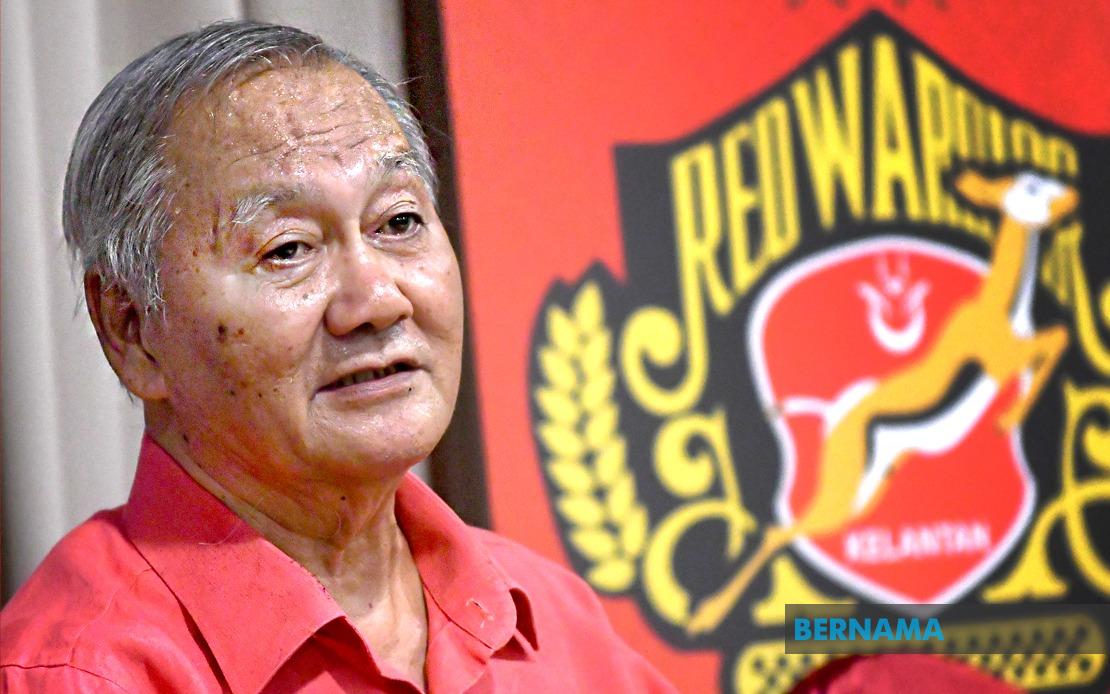
Kelantan Red Warriors (KRW) FC has put its transfer ambitions on temporary hold, with head coach Irfan Bakti Abu Salim announcing that the club must resolve several outstanding administrative matters before proceeding with recruitment. The decision reflects a pragmatic approach to preparation following the team's earned promotion to Malaysia's Super League, the nation's top-tier football competition, for the coming season. Despite the delay in strengthening the squad, Bakti emphasised that the organisation remains committed to competing at the highest level and proud of achieving promotion through merit rather than through alternative means.
The suspension of player acquisitions stems from what Bakti described as technical issues within the club's management structure that require urgent attention. Without detailing the specific nature of these obstacles, the coach made clear that proceeding with signings would be counterproductive while fundamental administrative problems persist. This cautious stance suggests that KRW's board recognises the importance of establishing solid operational foundations before expanding commitments, particularly given the financial and compliance demands of operating in Malaysia's elite football division.
The timing of these administrative complications is particularly significant for a club preparing for a substantial competitive step up. The transition from last season's A1 Semi-Pro League to the Super League represents a marked increase in quality and intensity, requiring not only talented players but also robust organisational systems. Bakti acknowledged this reality when he noted that the management is working to establish the conditions necessary for the team to field a complete and competitive squad capable of performing at the higher level.
Currently, KRW's training operations continue with a core group of eighteen to twenty existing players. These sessions maintain the team's fitness and tactical development while the administrative process unfolds behind the scenes. Rather than allowing preparations to stagnate, the coaching staff has effectively adapted, using the interim period to refine team cohesion and tactical approaches with the available personnel. This pragmatic use of training time helps offset the disadvantage of operating below full squad strength.
A critical factor constraining the club's recruitment efforts is what Bakti identified as a player registration ban, which currently prevents the club from formally adding new athletes to its roster. Such regulatory restrictions are typically imposed when clubs fail to meet compliance requirements or have outstanding obligations to resolve. Once the ban is lifted, presumably following resolution of the outstanding issues, KRW intends to move swiftly in the transfer market to bring in both domestic and foreign talent. The dual focus on recruitment sources reflects the club's intent to blend local development with international experience.
The competitive landscape of the Super League presents a formidable challenge that will require significant squad reinforcement. Moving from semi-professional to elite football involves competing against better-resourced clubs with established hierarchies, higher-quality facilities, and more sophisticated playing systems. KRW's management recognises that the existing squad, while capable of earning promotion, may lack the depth and specialised experience needed to sustain performance across a full Super League season. The commitment to addressing administrative issues promptly reflects an understanding that delays in recruitment could handicap the club's competitiveness.
Bakti's framing of the promotion as merit-based carries both pride and responsibility. Achieving top-flight status through league performance rather than other mechanisms—such as expansion or ownership change—establishes legitimacy with supporters and stakeholders. However, this achievement also comes with expectations that the club will continue developing competitively rather than regressing to mid-table mediocrity. The administrative issues now facing the organisation represent a threat to those expectations if they cannot be resolved quickly.
For Malaysian football observers, KRW's situation illustrates broader governance challenges within the sport's institutional framework. Multiple clubs at various levels have encountered similar registration and compliance difficulties, suggesting systemic issues in how the sport manages administrative requirements. The necessity of holding transfer activity in abeyance until technical matters clear reflects the interplay between sporting ambitions and regulatory compliance, a tension that many Southeast Asian football organisations navigate regularly.
The path forward requires the management to accelerate resolution of the outstanding matters while maintaining player morale and organisational focus. Success on this front would position KRW to execute a focused transfer strategy before the Super League season commences, potentially capturing available talent before competitors complete their summer recruitment. Conversely, prolonged delays could force the club to either overpay for available players in a compressed window or begin the campaign with insufficient squad depth, either outcome carrying significant consequences for their first-season performance.

