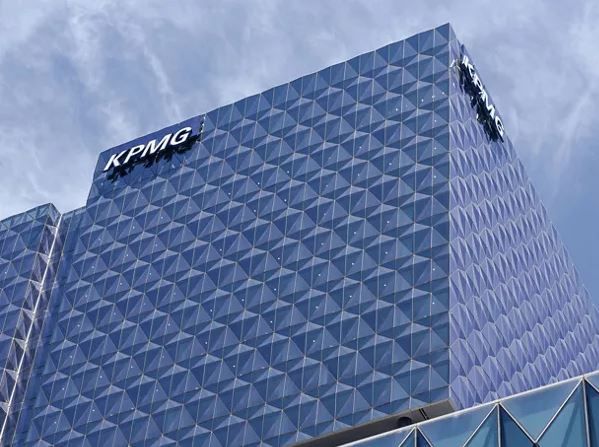
KPMG Australia is undertaking significant leadership changes as fallout deepens from a damaging corporate governance scandal that has exposed serious misconduct within the firm's audit operations. The accounting giant announced on Tuesday that Chairman Martin Sheppard along with audit partners Paul Rogers and Eileen Hoggett have all tendered their resignations, following mounting pressure over the firm's mishandling of confidential client information in pursuit of audit work.
These departures represent the third wave of senior exits at KPMG Australia's leadership tier, following the earlier resignation of the firm's Chief Executive Officer and head of its audit division. The cascading resignations underscore the severity with which the firm's board and stakeholders are treating the scandal, signalling a clean break from those overseeing the period when the alleged misconduct occurred. Interim Chief Executive Stan Stavros, who now leads the firm's recovery efforts, characterised the resignations as both necessary and immediate, reflecting the urgency with which the organisation is attempting to restore credibility.
The root of the controversy centres on a whistleblower's disclosure that KPMG inappropriately accessed and utilised confidential board materials belonging to Lendlease, a major Australian real estate company, to strengthen proposals for significant audit contracts. This breach of client confidentiality strikes at the heart of the audit profession's ethical foundations, as auditors are trusted with access to the most sensitive corporate information precisely because their independence and discretion are considered sacrosanct. The allegation that such privileged information was weaponised for commercial gain represents a profound violation of client trust and professional standards.
Rogers and Hoggett occupied particularly visible positions in this controversy, as the whistleblower publicly identified them as the lead partners directing the Lendlease audit team during the period when the questionable conduct took place. Their names were attached to the allegations when the matter became public in March, subjecting them to intense scrutiny and regulatory attention. Both remain subjects of an active investigation by Australia's primary corporate regulator, meaning their departures do not necessarily conclude their personal accountability in this matter.
For Malaysian and Southeast Asian professional services firms, this episode carries sobering implications about reputational fragility and the critical importance of robust internal controls. KPMG's global brand strength, which extends significantly throughout the region, has been demonstrably damaged by evidence that portions of its operations prioritised commercial advantage over ethical obligation. Local audit firms competing in Malaysia and across ASEAN may find that clients increasingly scrutinise governance frameworks and whistleblower protections when selecting service providers.
KPMG's response demonstrates how seriously the firm is treating the need for institutional reform beyond simple personnel changes. The firm has committed to appointing an independent chairperson from outside the existing leadership structure, alongside expanding the composition of its Australian board to include additional independent directors. These structural adjustments aim to introduce fresh oversight and reduce the risk that internal power dynamics could shield misconduct from scrutiny. The emphasis on independence suggests recognition that previous governance arrangements may have lacked sufficient external perspective to prevent or identify the problematic behaviour.
The scandal illuminates broader vulnerabilities in audit firm governance, particularly the concentration of decision-making power among partners whose commercial interests may not always align perfectly with professional obligations. When audit partners benefit directly from winning new client engagements, the incentive structure can potentially create blind spots regarding how those engagements are pursued. This structural tension between individual partner economics and firm-wide ethical standards remains a persistent feature across the professional services industry globally.
Stavros's public acknowledgement that the firm failed to uphold expected professional standards represents a significant concession from KPMG's leadership. By explicitly recognising the impact on the whistleblower, employees, clients, and broader public confidence, the statement attempts to reset expectations about the firm's commitment to integrity. However, words require substantiation through sustained action, and the firm's restoration of trust will depend entirely on whether the governance changes translate into genuinely different behaviours and decision-making processes.
The investigation by Australian regulatory authorities continues independently of these personnel actions, meaning regulatory findings could yet impose additional consequences including potential financial penalties or professional sanctions. The regulatory process will also help determine whether the misconduct was confined to individuals or represented a more systemic pattern within KPMG's audit division. For international audit firms operating in Malaysia and the region, maintaining vigilance regarding client confidentiality and resisting competitive pressures to cross ethical lines remains essential to preserve the legitimacy that the profession depends upon.