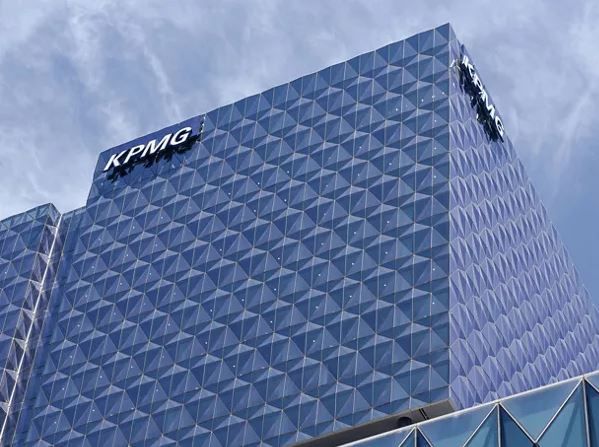
Troubled consultancy KPMG Australia took another step in its governance overhaul by announcing Michael Ebeid as its first independent chairman on Thursday, yet the appointment instantly triggered concerns from parliamentarians who view his track record with the firm as fundamentally compromised. Ebeid's selection follows the departure of the chairman and two senior partners announced just days earlier, themselves part of a wider restructuring effort meant to restore credibility following a damaging audit information leak scandal that has shaken Australia's professional services sector.
The timing of Ebeid's elevation reflects the depth of KPMG's institutional crisis. The firm faces mounting pressure after revelations that staff members exploited confidential information from clients to secure lucrative audit contracts. The scandal intensified when the Chief Executive Officer and head of audit both resigned in May, signalling the gravity of internal failings. In his statement, Ebeid projected confidence about recovery, saying his appointment demonstrated his belief in the firm's capacity to rebuild trust and emerge stronger from the controversy. He outlined a three-part vision centred on restoring board governance, embedding integrity into operations, and driving the cultural transformation necessary to regain stakeholder confidence.
Ebeid's background suggests considerable institutional experience. As a former chief of public service broadcaster SBS, he brings media sector leadership credentials to a role requiring extensive reform experience. He was initially appointed as an independent adviser to KPMG's national board in 2024, before joining the Asia-Pacific board in 2025. These previous positions, however, have become central to critics' objections about his appointment. His involvement with internal governance matters during a period when misconduct allegations were percolating through the organisation raises questions about his independence and whether he can genuinely oversee the accountability needed.
The public scandal erupted in March when Labor Senator Deborah O'Neill invoked parliamentary privilege to disclose allegations brought by a former senior executive. That whistleblower had initially reported concerns within KPMG during 2024, only to encounter what investigators would later characterise as mishandled complaints and inadequate internal responses. The core allegation centred on staff members accessing confidential board documentation from property developer Lendlease and weaponising that information to strengthen competing bids for major audit tenders. Such conduct, if substantiated, represents a fundamental breach of professional ethics and client confidentiality that strikes at the heart of audit firm legitimacy.
What transformed Ebeid's appointment from routine governance news into a crisis moment was the parliamentary committee's simultaneous release of internal email correspondence involving him. These documents shed light on his personal views regarding O'Neill's parliamentary disclosure and the whistleblower's allegations. Ebeid had characterised the senator's actions as "very inappropriate and unfair" in communications sent after the allegations became public. More significantly, he disputed substantive elements of the whistleblower's account, claiming multiple statements were "completely false" and questioning the timeline of events the former executive had documented. This correspondence provides contemporaneous evidence of Ebeid's perspective on the very matters he now oversees as chairman.
The parliamentary committee's decision to release these emails reflects tension between transparency and institutional reform. Committee members evidently believed the public interest in understanding Ebeid's views and potential biases outweighed confidentiality considerations. KPMG subsequently acknowledged that it had mishandled the original whistleblower complaint, acknowledging systemic failures in its reporting mechanisms. The firm also launched a fourth investigation into the allegations after three earlier probes failed to substantiate wrongdoing, suggesting either inadequate inquiry methods or a genuine absence of evidence depending on one's interpretation of events.
Greens Senator Barbara Pocock articulated the emerging parliamentary consensus that Ebeid's appointment represents a concerning step backward rather than reform. She identified the appointment as embodying a clear conflict of interest, since Ebeid's documented knowledge of and positions on the very scandals now requiring investigation make his objectivity questionable. Pocock's statement that the appointment "doesn't pass any ethics test" reflects broader concern that KPMG has selected an insider to lead reform, potentially perpetuating rather than dismantling the cultural problems identified in recent months. Her observation that the appointment "risks entrenching the very culture and leadership that need to change" captures a fundamental paradox: tasking someone already embedded in the institution with overseeing its transformation.
The acceleration of KPMG's chief executive recruitment process, with the board expected to confirm a new leader before the end of July, suggests the firm recognises the urgency of demonstrating substantive change. Yet this timeline places enormous weight on Ebeid and other board members to identify and vet a chief executive capable of commanding credibility among regulators, clients, and the profession. The new CEO will inherit an organisation whose reputation for integrity has suffered considerable damage and whose internal controls have been publicly questioned.
The broader context shaping these developments extends beyond KPMG alone. Australia's Big Four accounting firms—KPMG, Deloitte, Ernst & Young, and PwC—have faced successive scandals over recent years involving conflicts of interest, quality control failures, and inadequate governance. The Labor government's announcement that it is considering breaking up these firms signals political willingness to contemplate structural solutions if voluntary reform proves insufficient. KPMG's choice to appoint Ebeid, rather than recruiting someone with no prior connection to the firm, suggests the organisation may be underestimating the severity of the trust deficit it faces and the breadth of reform required to address it.
For Southeast Asian observers and Australian expatriate professionals in the region, KPMG's stumbling response to scandal carries particular significance. The firm operates extensively across Malaysia, Singapore, Indonesia, and other regional markets, advising multinational corporations and government agencies. The firm's handling of internal governance failures and its apparent reluctance to embrace truly independent leadership raises questions about institutional standards across its global operations. Australian regulatory developments often influence practices in Commonwealth and English-common-law jurisdictions throughout Asia-Pacific, making KPMG's trajectory relevant to professional standards conversations across the region.
The appointment of Ebeid crystallises a central tension in corporate reform: whether institutions can genuinely transform themselves from within, or whether meaningful change requires external intervention and oversight. Ebeid's defenders might argue his existing knowledge of KPMG's operations and culture positions him to drive necessary changes efficiently. Critics counter that his prior endorsement of management positions on the whistleblower matter suggests insufficient independence to oversee accountability. The coming months will test whether KPMG's governance changes produce substantive cultural transformation or represent institutional theatre designed to deflect regulatory and political pressure while preserving existing power structures.

