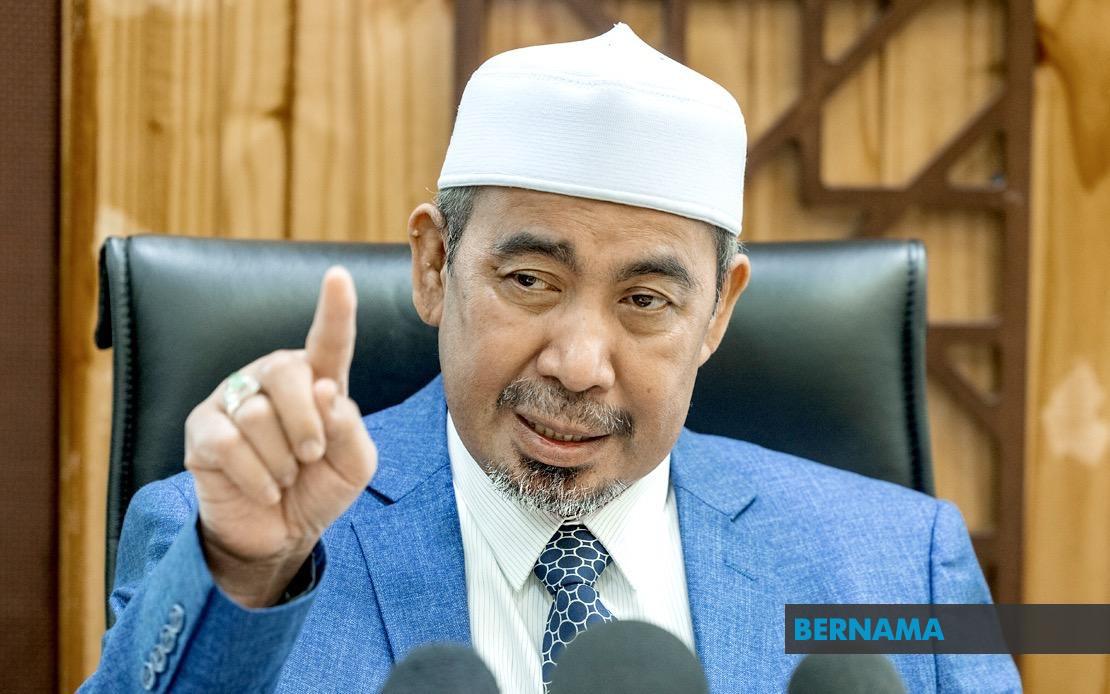
The construction of Kota Bharu's major transit infrastructure project has encountered a significant setback in its foundational phase, with the soil treatment component now running 21 days behind its original timeline. According to Datuk Dr Izani Husin, the committee chairman overseeing public works in Kelantan, the current progress stands at 40.07 per cent of completion, trailing the contractually scheduled rate of 47.26 per cent at this stage of the project cycle.
The delays have emerged primarily from meteorological challenges that have persistently affected the work site. Kelantan has experienced a sustained pattern of heavy evening and night rainfall throughout recent weeks, creating conditions where water accumulates across the construction area rather than draining properly. These wet conditions are particularly problematic for soil treatment operations, which require controlled moisture levels to proceed effectively and safely. The stagnant water has essentially halted progress on multiple fronts, forcing contractors to halt or slow many activities until drainage improves.
Beyond weather complications, the project team has also grappled with supply chain and installation difficulties related to the prefabricated vertical drain system, a specialised engineering solution designed to accelerate the dewatering process on waterlogged sites. The PVD installation fell behind schedule, which cascaded into broader delays across the soil preparation work. This component is crucial to the overall project timeline, as it represents the critical path item that must be substantially complete before construction of the terminal building itself can commence.
Despite these challenges, authorities maintain confidence in meeting the contractual completion date for the soil treatment phase. Izani stated during the Kelantan State Legislative Assembly sitting at Kota Darulnaim Complex that the work is expected to finish by May 17, 2027, honouring the original contract period end date. This projection assumes that weather conditions normalise and that the prefabricated drainage installation accelerates to make up for lost time. However, this timeline leaves a compressed window for any further unforeseen complications.
The implications of the soil treatment delay extend beyond that phase alone. Construction of the terminal building itself cannot begin until the ground has been properly stabilised and dried, meaning the earliest realistic start date for the superstructure work is now June 2027. This represents a consequential postponement in the overall project completion, with potential effects on public transportation infrastructure across Kelantan and the broader East Coast region.
The KB Sentral project has already experienced governance complexities that shaped its current trajectory. The Kelantan state government made the decision to assume direct control of the construction after negotiations with private operator Perak Transit stalled without reaching a viable agreement. This shift in project management responsibility occurred at a critical juncture, reflecting concerns within the state administration about timeline viability and delivery certainty. Deputy Menteri Besar Datuk Dr Mohamed Fadzli Hassan indicated that the government takeover decision weighed heavily the time-sensitive nature of completing the integrated bus station facility.
The project represents a significant investment in transportation connectivity for Kota Bharu and the surrounding region. An integrated bus terminal consolidates multiple transit services at a single modern facility, improving passenger experience and operational efficiency. For Kelantan, which serves as a gateway between Peninsular Malaysia and the East Coast, such infrastructure carries economic and logistical importance beyond the immediate urban area.
The 21-day delay, while manageable within the extended May 2027 target, does reduce scheduling flexibility for subsequent phases. Construction projects typically build contingency buffers into their timelines to accommodate unexpected challenges, yet each delay consumes that buffer. The soil treatment phase is foundational—any further complications here would directly jeopardise the June 2027 terminal building commencement date, potentially affecting the entire project completion schedule.
The weather-related challenges underscore the vulnerability of infrastructure projects in Malaysia's tropical climate, where monsoon seasons and unpredictable rainfall patterns can significantly disrupt construction schedules. Contractors and planners have increasingly recognised the need to incorporate climate resilience into project design and scheduling, though in practice, accommodating such variables remains difficult. The KB Sentral experience provides a practical illustration of these challenges within the Malaysian development context.
For stakeholders including commuters, transport operators, and government agencies, the revised timeline means that modern integrated transit facilities for Kota Bharu remain approximately three years away from completion. While this appears distant, the foundational work being undertaken now will establish the technical and structural quality necessary for reliable long-term operation. The soil treatment delays, though frustrating, occur during a phase where quality and proper technique directly influence the durability of the infrastructure being built.

