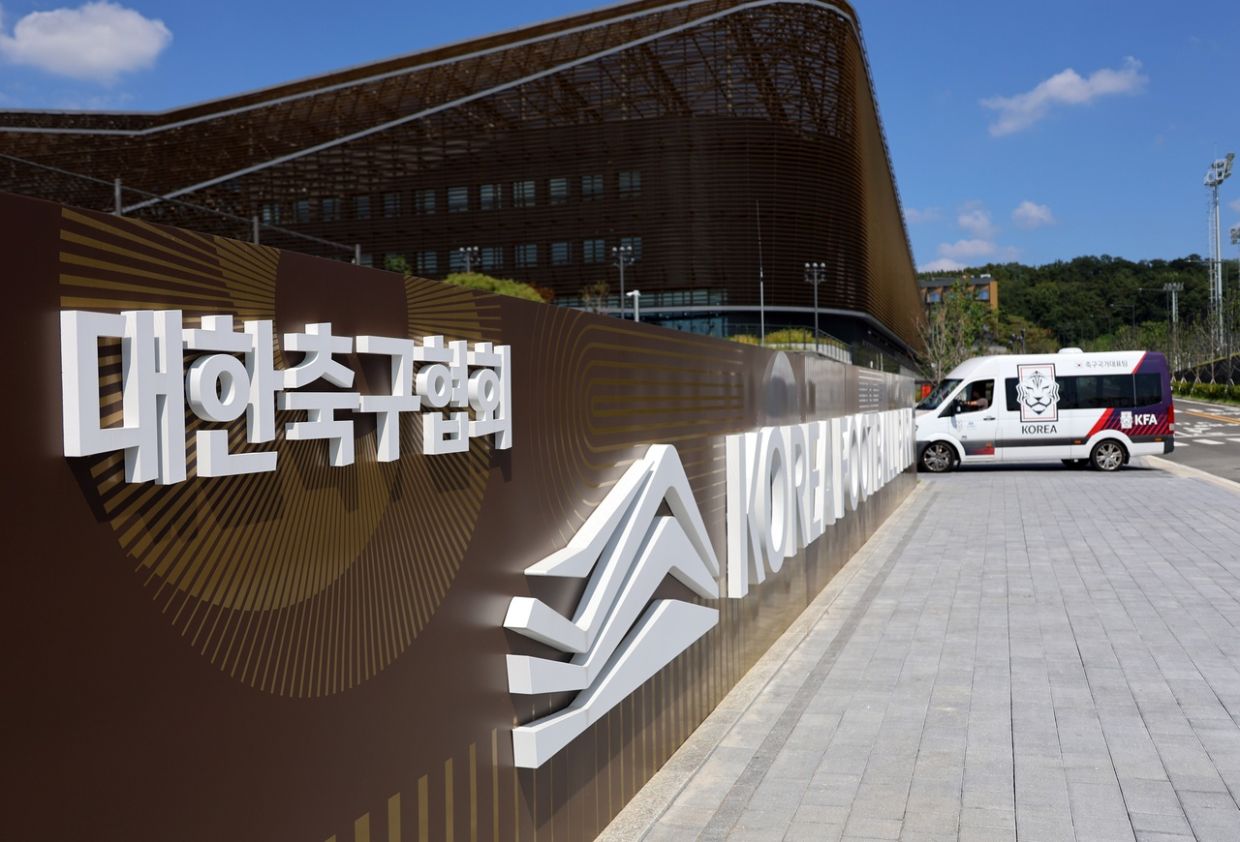
The Korea Football Association finds itself ensnared in an expanding international scandal after allegations of sexual bribery involving foreign referees and match commissioners began spreading across football's global governing bodies. Within 24 hours of issuing a public apology, the KFA faced intensifying pressure as Japan's football federation confirmed it was examining the involvement of four Japanese officials in the scheme, marking the first concrete cross-border response to allegations that have rattled South Korean sport and drawn unwanted scrutiny to the integrity of international football.
The Japan Football Association confirmed on Sunday, August 9, that it is investigating the four Japanese referees allegedly connected to the bribery arrangement. According to Kyodo News reports from the same date, the JFA plans to complete its inquiry and subsequently release its findings, signalling a formal institutional response to the allegations. This development represents a critical moment for international football governance, as it demonstrates how misconduct within one nation's football administration can rapidly trigger investigations across multiple football associations and potentially engage FIFA's broader disciplinary apparatus.
The root of this expanding controversy traces back to a 2016 audit conducted by South Korea's Ministry of Culture, Sports and Tourism, a document that remained obscure until JTBC television's August 6 report thrust it into the public consciousness. The audit's findings were damaging: between March 2011 and March 2012, the KFA allegedly deployed corporate credit cards to finance entertainment at massage parlours for approximately 10 foreign referees and match commissioners who had officiated seven matches on South Korean soil. The matches in question comprised three World Cup and Olympic qualifiers alongside four friendly internationals, and the national team recorded an impressive 5-2 record across these contests, a performance that immediately sparked speculation about whether results might have been artificially influenced.
Although South Korean football authorities have emphatically denied any suggestion that match outcomes were compromised, the implications remain profoundly troubling for international football's credibility. The timing of these entertainment payments—concentrated during a period when South Korea was competing in qualification campaigns—inevitably fuels questions about the impartiality of officiating decisions and whether financial inducements could have swayed crucial refereeing calls. However, the complexity of attributing specific match results to referee bias means that formal proof of outcome manipulation remains extraordinarily difficult to establish, even with documentary evidence of the entertainment payments themselves.
The KFA's apology, issued on Saturday amid mounting domestic pressure, acknowledged the gravity of the situation while falling short of admitting systematic corruption. The association expressed remorse for the "disappointment and concern" generated by the various controversies surrounding its governance, explicitly disavowing the conduct detailed in the audit and committing to comprehensive internal reforms designed to enhance transparency and institutional accountability. This public statement arrived amid an already turbulent period for South Korean football administration, as the KFA simultaneously faced parliamentary scrutiny regarding broader governance failures and a police investigation centred on the controversial 2024 appointment of former national team coach Hong Myung-bo.
Japanese media outlets have begun identifying specific officials allegedly involved, with particular attention directed towards two referees who reportedly received entertainment. One of these individuals now occupies a position as a JFA referee manager responsible for overseeing J-League officials, placing him at the centre of Japan's professional football administration. Another referee mentioned in reports had previously headed an all-Japanese officiating crew for South Korea's crucial 2012 World Cup qualifier against Kuwait, a match that the audit specifically identifies as involving entertainment payments for two referees. The prominence of these individuals within Japanese football structures has undoubtedly intensified the JFA's decision to mount a formal investigation rather than dismiss the allegations as historical matters of limited contemporary relevance.
Despite the serious nature of the allegations and their potential implications for international football integrity, several expert observers have downplayed the likelihood of severe FIFA sanctions. International Business Times UK initially raised the possibility of disciplinary action and governance reforms, yet specialists in football administration note that formal punishment from FIFA remains improbable. The global governing body's ethics code typically establishes statute of limitations periods ranging from five to ten years, meaning the 2011-2012 conduct likely falls outside FIFA's jurisdiction for enforcement purposes. More significantly, the misconduct appears to fit within broader categories of institutional failure rather than within FIFA's narrower, unlimited jurisdiction reserved specifically for sexual abuse or exploitation cases.
The passage of more than a decade since these entertainment arrangements occurred has further complicated prospects for meaningful international discipline. The majority of referees identified in the audit have since retired from active officiating, removing potential targets for career sanctions or suspensions. A related criminal investigation within South Korea itself was previously terminated due to insufficient evidence, suggesting that documentary proof of wrongdoing, while clearly uncomfortable for the KFA, may not meet the thresholds required for criminal or serious disciplinary liability under international football regulations. This legal and procedural reality highlights persistent challenges in international sports governance, where institutional failures and ethical breaches can occur with apparent impunity when adequate time has passed.
For Malaysian readers and Southeast Asian football followers, this scandal offers important lessons about institutional oversight and the vulnerability of regional football federations to governance failures. The Korea Football Association's case demonstrates how corruption within one nation's football administration can damage not merely domestic credibility but also the standing of Asian football internationally. Southeast Asian nations, several of which maintain considerable ambitions in FIFA qualification competitions and continental tournaments, must carefully examine their own internal controls, referee selection processes, and financial oversight mechanisms to ensure similar scandals do not undermine their footballing institutions. The exposure of widespread entertainment payments to foreign officials serving as match overseers raises uncomfortable questions about how extensively such practices may exist across other football associations, particularly in regions where institutional transparency has historically been less rigorous.

