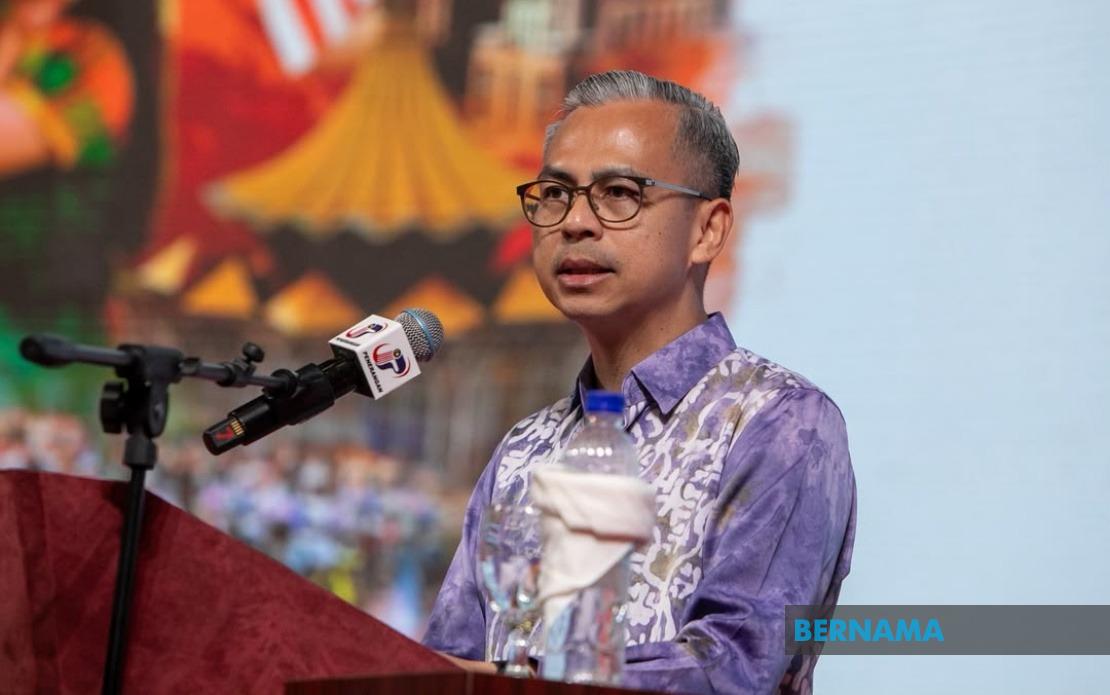
The Kembara Merdeka Jalur Gemilang (KMJG) convoy will persist in strengthening patriotic sentiment and building unity among Malaysians, according to Communications Minister Datuk Seri Fahmi Fadzil. Speaking during the launch of the 2026 National Month and Fly the Jalur Gemilang campaign at the Sultan Azlan Shah Ministry of Health Training Institute in Tanjung Rambutan, Ipoh on July 19, Fahmi outlined the government's commitment to sustaining this initiative as a cornerstone of the nation's independence commemorations.
The minister emphasised that despite operating within constrained fiscal parameters, the 2026 National Month and Malaysia Day (HKHM) celebrations would prioritise cultivating love for the country and deepening public understanding of Malaysia's sovereignty. This year's observance carries the overarching theme of 'Malaysia MADANI: Kesejahteraan Dinikmati', reflecting the government's broader vision of equitable development and shared national prosperity. The KMJG convoy represents a tangible expression of these aspirations, serving as a mobile platform that brings patriotic messaging directly to communities across the peninsula.
The convoy concept has proven effective in previous years as a tool for grassroots engagement, allowing citizens from various backgrounds to participate in collective expressions of national pride. By maintaining this initiative despite budgetary constraints, the government signals that symbolic and experiential dimensions of nationhood remain non-negotiable elements of Malaysia's developmental agenda. For many Malaysians, particularly in smaller towns and rural areas, the convoy's visit provides an accessible opportunity to participate in national celebrations that might otherwise require travel to major urban centres.
Fahmi also highlighted the intensification of the One House, One Jalur Gemilang initiative, designed to encourage households nationwide to display the national flag as a visible expression of sovereignty and collective identity. This grassroots campaign complements the larger convoy programme by embedding patriotic expression within everyday domestic spaces. The initiative acknowledges that national pride operates at multiple scales—from ceremonial public events down to individual household decisions about how families present themselves to their communities.
The launch event itself demonstrated the political and ceremonial importance attached to these celebrations. Prime Minister Datuk Seri Anwar Ibrahim officiated the ceremony, while National Unity Minister Datuk Aaron Ago Dagang and Perak Menteri Besar Datuk Seri Saarani Mohamad attended, underscoring cross-ministerial and cross-level governmental coordination. This high-level participation reflects recognition that national cohesion and patriotic sentiment require sustained institutional reinforcement, particularly in an increasingly diverse society where shared symbols and experiences serve crucial binding functions.
The timing of these celebrations carries particular significance for Malaysia's regional standing. As Southeast Asia navigates complex geopolitical dynamics and internal pressures, demonstrating sustained commitment to internal unity and national pride projects reassurance both domestically and internationally. The KMJG convoy, by circulating through various states, creates visible evidence of governmental commitment to inclusive national narratives that extend beyond major commercial or political centres.
The selection of the 2026 timeframe for these announcements also allows for adequate preparation and resource allocation, despite the acknowledged need for prudent management of available funds. This forward-looking approach enables communities and local authorities to plan complementary activities and coordinate with the convoy's schedule, maximising the programme's reach and impact. It also provides time for the One House, One Jalur Gemilang initiative to gain momentum as citizens and local leaders champion the flag-flying campaign within their own constituencies.
For Malaysian readers, these pronouncements suggest that the government views patriotic sentiment as requiring deliberate cultivation rather than automatic inheritance. By maintaining platforms like the KMJG convoy and expanding grassroots initiatives like house-level flag displays, policymakers acknowledge that national unity in a multicultural context demands ongoing public investment and ceremonial reinforcement. The emphasis on these initiatives during a period of economic constraints also sends a message about priorities—suggesting that social cohesion warrants resource allocation even when budgets face pressure elsewhere.
The broader context of these 2026 National Month preparations reflects international best practices in national identity management. Countries across Asia and beyond recognise that festivals, civic ceremonies, and symbolic campaigns play important roles in reinforcing social contracts and generating shared narratives that transcend ethnic, religious, and class divisions. Malaysia's sustained investment in these mechanisms reflects sophisticated understanding of how modern nation-states maintain legitimacy and cohesion in increasingly plural societies.

