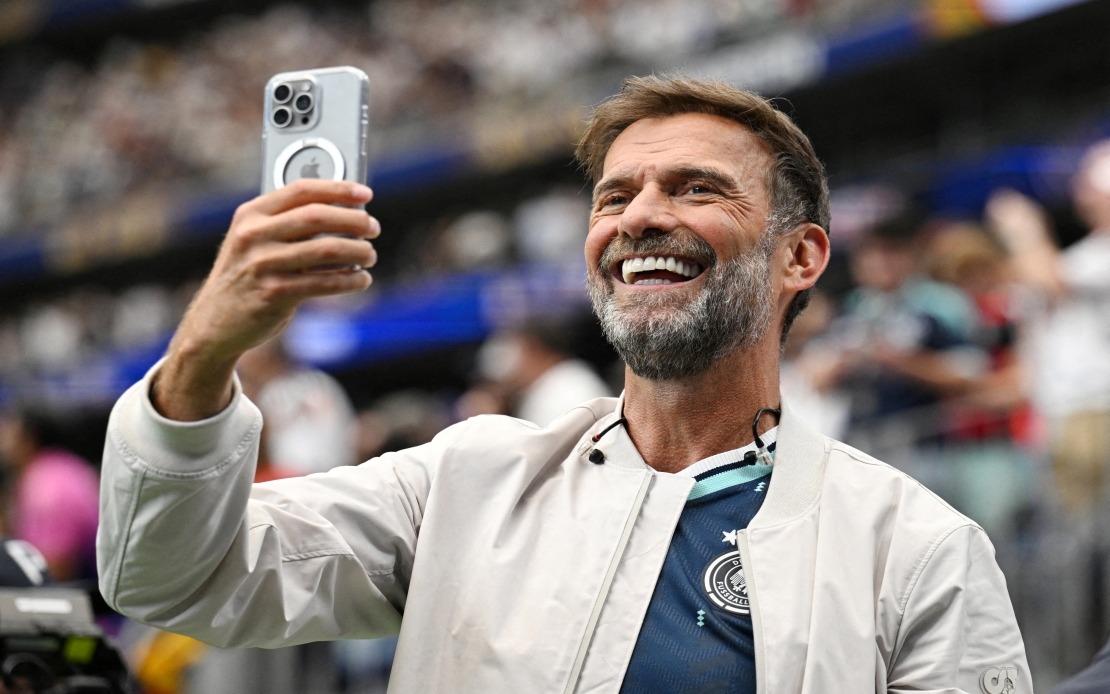
Jürgen Klopp has publicly acknowledged that he is in active negotiations with the German Football Federation regarding the vacant position of national team coach, a role left open following Julian Nagelsmann's recent resignation. Speaking to MagentaTV from New York on July 4, the legendary manager indicated his genuine interest in the opportunity whilst cautioning that substantive talks will necessarily extend over a considerable period given the complexities involved in the German football landscape.
Klopp's statement arrived just hours after the DFB formally announced Nagelsmann's departure, which came in the aftermath of Germany's disappointing World Cup campaign that ended in a last 32 penalty shootout loss against Paraguay. The timing underscores the significance of the role and the urgency with which German football's governing body is moving to identify a successor, yet Klopp's measured comments suggest neither party is rushing toward a hasty arrangement.
The former Borussia Dortmund and Liverpool manager emphasized that the fundamental challenges facing German football extend beyond any single individual's capacity to influence. Describing the situation with characteristic candour, Klopp noted that Germany's predicament cannot be attributed solely to Nagelsmann's stewardship, implying that structural and systemic issues within the programme require careful consideration before he could responsibly assume the helm. This analytical framing demonstrates his understanding that accepting such a prestigious but troubled position demands more than merely agreeing contractual terms.
Klopp's current position as Head of Global Soccer at Red Bull represents his primary professional commitment, a role he has occupied since departing Liverpool in summer 2024 after nearly a decade with the Merseyside club. His stint away from day-to-day coaching has, by his own assessment, allowed for considerable recharging and reflection. This sabbatical period appears to have left him in mental and physical condition to undertake a high-pressure international assignment, a consideration particularly relevant given the demands of managing a national team with consistently elevated expectations.
The complication of his existing Red Bull contract, which extends until 2029, introduces a significant negotiating element into discussions with the DFB. Klopp has acknowledged consulting with Oliver Mintzlaff, his superior at Red Bull, regarding any potential transition. He expressed his preference for an outcome that would preserve Red Bull's institutional reputation whilst allowing the federation to move forward with managerial recruitment. This pragmatic stance reflects Klopp's recognition that modern football involves complex corporate and commercial relationships that must be navigated diplomatically.
From a Southeast Asian perspective, the Klopp situation offers insights into how European football operates at its highest levels. The readiness of a major multinational corporation like Red Bull to potentially release a senior executive demonstrates the leverage that national football federations can exert when seeking marquee coaching talent. For Malaysian football administrators observing these dynamics, the episode illustrates how world-class coaching expertise operates within increasingly interconnected global business networks rather than in isolation.
Klopp's characterization of Nagelsmann as an "extraordinary coach" carries particular weight, given that dismissing his predecessor might have appeared self-serving. This diplomatic language suggests Klopp recognizes that Germany's World Cup failure resulted from multiple contributing factors rather than simple managerial incompetence. The implication for the DFB is that any incoming coach inherits genuine structural challenges within the national programme rather than simply needing to implement tactical adjustments or personnel changes.
The negotiation timeline remains deliberately undefined, with Klopp insisting that substantive discussions will require significant time investment. This measured approach contrasts with the urgency sometimes displayed by national federations desperate to announce appointments quickly for public relations purposes. The DFB's apparent willingness to permit extended deliberation suggests confidence in their ability to retain Klopp's interest and perhaps recognition that attempting to rush such a significant decision could prove counterproductive.
For Malaysian and broader Southeast Asian football contexts, the Klopp-DFB situation illustrates how leading coaching candidates operate with considerable agency in negotiations with established federations. Rather than simply accepting offers gratefully, world-class managers can impose conditions, demand time for consideration, and require that substantial logistical and contractual matters be resolved satisfactorily. This dynamic differs markedly from the often rushed or reactive hiring practices sometimes observed in regional football.
The broader context of Germany's football ambitions cannot be overlooked in this narrative. Following disappointing tournament results and the perceived erosion of their traditional dominance, German football is engaged in a structural reassessment. Appointing Klopp would represent not merely selecting a new coach but signalling a fundamental commitment to rebuilding under proven leadership. The federation's apparent willingness to negotiate extensively with Red Bull and accommodate Klopp's timeline reflects this larger strategic repositioning.
As discussions between Klopp, Red Bull, and the DFB progress behind the scenes, European football watches closely. The appointment of a manager of Klopp's stature and experience would immediately elevate Germany's World Cup prospects for the next tournament cycle. However, his characterization of the deeper problems within German football suggests that any incoming regime will face substantial challenges that extend well beyond tactical or personnel considerations, requiring sustained commitment and structural reform.

