Authorities in Malaysia have moved to interrogate an employee working at Kuala Lumpur International Airport as part of their expanding investigation into a Malaysian pilot who was detained in Jakarta while carrying illegal drugs. The questioning of the KLIA staff member represents a significant development in what has become an embarrassing episode for Malaysia's civil aviation sector, as police work to determine the full scope of involvement in what may constitute an organised trafficking operation. However, investigators cautioned against premature conclusions about whether the airport worker played an active role in facilitating the incident, stressing that the probe remains at an exploratory stage and that many leads still require verification.
The case emerged when Malaysian aviation authorities became aware that a pilot from the country had been apprehended by Indonesian law enforcement in Jakarta with a quantity of controlled substances. The detention of a licensed pilot abroad immediately triggered alarm bells within Malaysia's regulatory bodies and law enforcement agencies, given the potential implications for airport security and the nation's standing in regional aviation. The incident has drawn scrutiny not only to the individual pilot's conduct but also to the broader question of how drugs might be transported through major regional airports and whether systematic vulnerabilities exist in security protocols at facilities like KLIA.
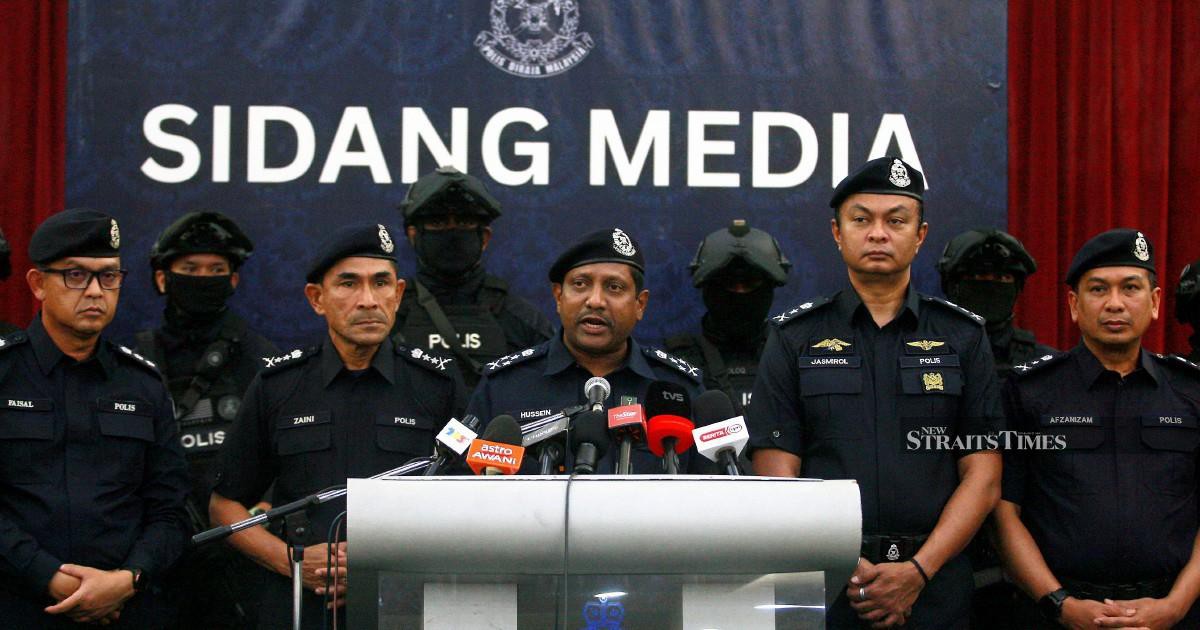
Shah Alam police headquarters confirmed that investigative teams have been actively pursuing multiple angles in the case, including the possibility that airport personnel may have been complicit. The decision to bring in a KLIA worker for questioning suggests that investigators have identified some form of connection or suspicious transaction involving that individual, yet senior officers were careful to emphasise that questioning alone does not indicate guilt or proof of conspiracy. This measured approach reflects the need for police to build a methodologically sound investigation that would withstand judicial scrutiny, rather than rushing to conclusions based on preliminary evidence.
For Malaysia's aviation industry, which has worked hard to rebuild international confidence following several high-profile security incidents in recent years, this development poses fresh reputational challenges. KLIA, as one of Southeast Asia's busiest regional hubs handling millions of passengers annually, depends heavily on maintaining the trust of international airlines, connecting carriers, and regulatory bodies that monitor airport security standards. Any credible evidence of systematic infiltration or corruption among airport staff could prompt enhanced security audits by foreign aviation authorities and potentially affect the airport's standing within global aviation networks.
The investigation into whether insider collusion occurred will likely prove technically complex, as authorities must establish clear connections between the KLIA employee and the pilot, identify communication or financial transactions between them, and demonstrate intentional coordination in facilitating drug movement. Such cases typically require painstaking examination of digital records, financial trails, surveillance footage, and witness testimony. The challenge for investigators lies in distinguishing between coincidental connections and genuine conspiracy, particularly given that airport employees and pilots may encounter one another naturally through their work routines.
Indonesian authorities, who made the initial arrest in Jakarta, have likely shared relevant evidence with Malaysian police to support the domestic investigation. Regional cooperation in drug enforcement has become increasingly important as trafficking networks exploit the porous nature of Southeast Asian border regions and transportation hubs. The involvement of Indonesia in this case underscores how aviation security concerns transcend national boundaries and require coordinated responses from relevant authorities across multiple jurisdictions.
The timeline and specific details surrounding how the pilot came into possession of the drugs remain under investigation. Police sources have indicated that clarifying whether the substances were intended for personal consumption, local distribution, or international trafficking represents a critical investigative objective. These distinctions carry significant implications for both the severity of charges that may be filed and the likelihood that organised criminal networks were involved, which would elevate the case from isolated misconduct to a threat to national security.
For Malaysian aviation professionals generally, the case may prompt renewed scrutiny and training regarding compliance with drug laws and ethical obligations. Pilot recruitment and vetting procedures, while already subject to rigorous screening, may come under review to assess whether additional safeguards could identify individuals at elevated risk of involvement in illegal activities. Similarly, airport operator Malaysia Airports Holdings Berhad may face pressure to strengthen internal controls and audit procedures designed to detect suspicious activity among personnel with access to sensitive areas or cargo handling operations.
The outcome of this investigation will likely influence how Malaysian authorities approach similar cases in the future and may prompt broader discussions about security vulnerabilities within the aviation sector. Whether the KLIA worker is eventually charged, cleared, or becomes a cooperative witness will significantly shape the narrative around airport security competence. Until investigators have completed their work and reached definitive conclusions, the uncertainty surrounding insider involvement will remain a focal point for aviation industry observers across Southeast Asia watching how Malaysian authorities handle this sensitive matter.

