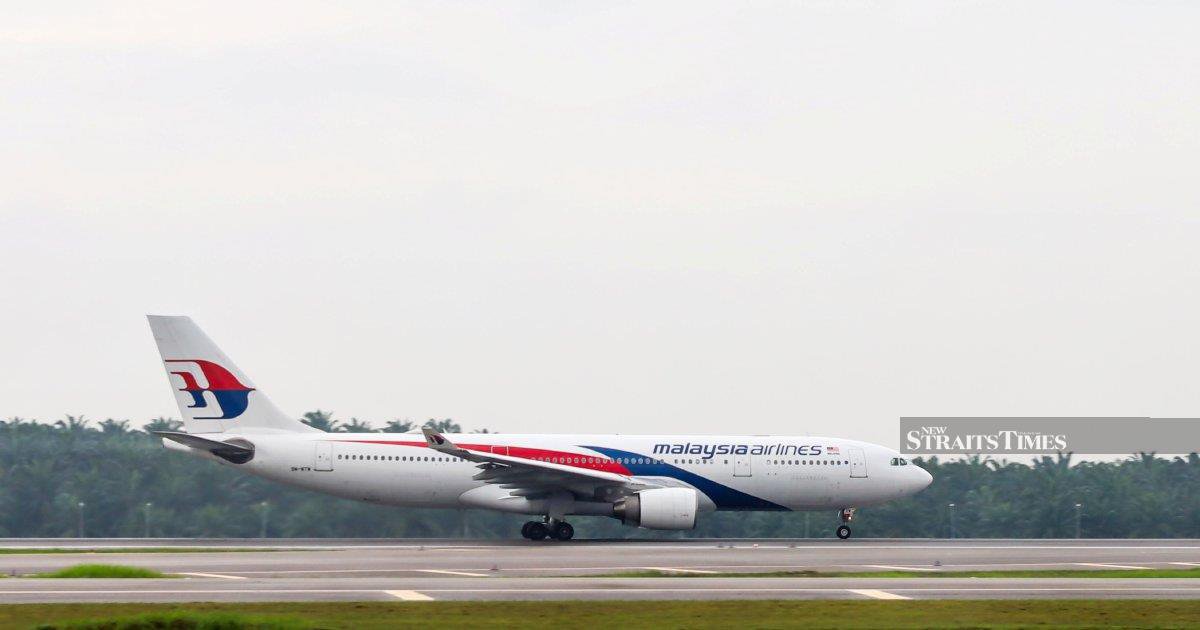
A prominent aviation security expert has warned that the recent arrest of a Malaysia Airlines pilot in Indonesia for an alleged drug smuggling scheme reveals troubling vulnerabilities within both the regulatory framework governing flight operations and the physical security arrangements at Kuala Lumpur International Airport. The incident has prompted calls for an urgent and comprehensive examination of existing protocols to prevent similar breaches in the future.
The case, which has attracted significant attention within the aviation industry and regulatory circles, highlights the persistent challenge of maintaining rigorous screening measures while managing the operational demands of one of Southeast Asia's busiest aviation hubs. Malaysia's position as a major regional air transport gateway means that security lapses at KLIA carry implications that extend well beyond national borders, potentially affecting the reputation and operational standing of the country's aviation infrastructure internationally.
Secondary security measures at major international airports typically encompass multiple layers of detection and verification systems. These mechanisms are designed to identify individuals who may pose risks to flight safety, including those with involvement in criminal activities. The pilot's case suggests that despite the existence of such systems, there may be insufficient integration between different screening protocols or inadequate follow-up procedures to catch individuals who fall through administrative cracks.
Aircraft crew members occupy a uniquely sensitive position within airport operations. Unlike regular passengers, pilots and flight attendants have authorized access to restricted areas including cockpits, cargo holds, and secured briefing spaces. This elevated access level is granted on the assumption that individuals holding commercial pilot licenses have undergone sufficient background vetting and maintain fitness standards that preclude involvement in illegal activities. When this assumption proves unfounded, the entire security framework becomes compromised.
The involvement of an established carrier such as Malaysia Airlines adds another dimension to the concerns being raised. Major international airlines typically implement their own internal vetting and monitoring systems for crew members, including periodic background reviews and fitness-for-duty assessments. The fact that such measures appear not to have detected the pilot's alleged involvement in smuggling operations suggests either gaps in the comprehensiveness of these internal checks or a breakdown in information sharing between airline human resources departments and law enforcement agencies.
Regulatory oversight of aviation safety in Malaysia falls primarily under the purview of the Civil Aviation Authority of Malaysia. The CAAM is responsible for certifying pilots, approving training programs, and conducting ongoing compliance audits of licensed operators. Security screening at KLIA itself is managed through a combination of government agencies including the Immigration Department, the Royal Malaysian Police, and dedicated airport security forces. Coordination challenges among these multiple stakeholders may have contributed to the situation.
The timing of the discovery in Indonesia rather than at KLIA itself raises questions about the effectiveness of pre-departure screening procedures. International convention requires all airport operators to conduct security checks on all aircraft and passengers departing for international destinations. These checks typically include document verification, baggage screening, and x-ray examination of carry-on items. Whether cargo destined for the aircraft underwent similarly rigorous examination depends on the specific security protocols implemented for freight handling at KLIA.
Experts in aviation security emphasize that maintaining public confidence in air travel depends critically on the perception that all reasonable measures have been taken to prevent criminal misuse of aviation systems. A pilot attempting to smuggle drugs represents not merely a violation of narcotics laws but a fundamental breach of the trust placed in aviation professionals. This trust is essential because the safe operation of commercial aircraft depends on crews making critical decisions and following strict safety procedures.
Indonesia, where the arrest occurred, has itself faced significant challenges in strengthening aviation security capabilities across its archipelago of airports. The fact that Indonesian authorities detected the attempt where Malaysian security systems apparently did not suggests a need for Malaysian regulators to examine their counterpart's detection methods and consider whether superior practices might be adapted for implementation at KLIA.
The expert commentary calling for systemic review aligns with international best practices established by the International Civil Aviation Organization. ICAO standards and recommended practices emphasize the importance of conducting periodic security audits, updating threat assessments regularly, and implementing intelligence-led security approaches that utilize information about emerging criminal methodologies. A comprehensive review of KLIA's current systems against these international benchmarks would provide a baseline assessment of where improvements are most urgently needed.
Beyond immediate procedural changes, the incident highlights the importance of cultivating a strong safety culture within the aviation industry that emphasizes reporting and transparency. Crew members who observe suspicious behavior by colleagues should have clear, confidential channels through which to report concerns without fear of workplace retaliation. Airlines should be encouraged to foster environments where safety concerns take precedence over protecting individual employees from accountability.
The implications of this case extend to Malaysia's broader reputation as a stable, well-regulated air transport hub. International carriers considering whether to operate services to and from KLIA, as well as passengers deciding whether to trust Malaysian carriers for long-haul services, may be influenced by perceptions of how comprehensively the country's aviation authorities address security gaps. A robust and transparent response to this incident would demonstrate regulatory commitment to maintaining the highest standards.
Moving forward, aviation authorities in Malaysia should consider whether current pilot certification and recertification procedures adequately screen for criminal involvement and whether post-certification monitoring systems are sufficiently robust. Enhanced coordination between KLIA security management and CAAM regulatory personnel, coupled with improved information sharing with law enforcement and international counterparts, would strengthen the overall security architecture protecting Malaysia's aviation system.

