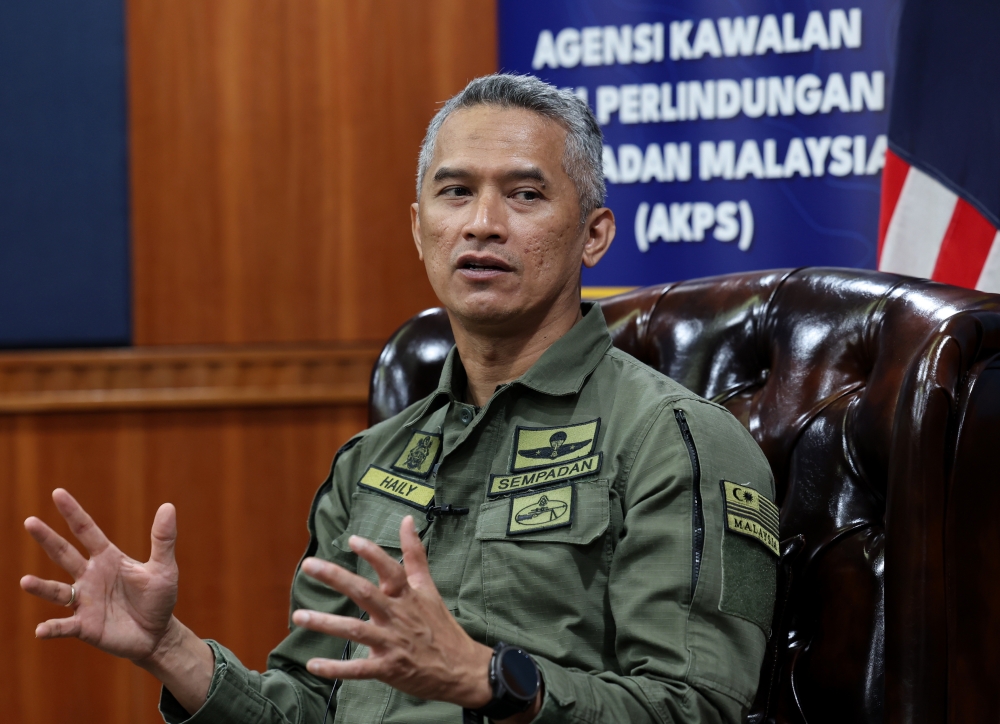
Malaysian border and security officials are now scrutinising airport screening procedures following the arrest of a Malaysia Airlines pilot carrying drugs through an Indonesian airport, according to the head of the country's border agency. The incident has sparked fresh concerns about baggage handling protocols at Kuala Lumpur International Airport, particularly given that the pilot's luggage apparently generated no alerts during pre-departure screening.
The pilot, whose identity authorities are investigating, was detained at Soekarno-Hatta International Airport in Jakarta after customs officials discovered prohibited substances in his possession. The arrest has prompted Malaysian authorities to review how thoroughly incoming and outgoing baggage is examined at KLIA, one of Southeast Asia's busiest aviation hubs. The timing of the discovery—occurring at the destination airport rather than at the point of departure—has raised uncomfortable questions about the effectiveness of current security measures.
Border agency officials emphasise they have found no evidence that baggage screening procedures at KLIA were compromised or bypassed. Instead, they suggest the pilot may have concealed the contraband in a manner designed to evade detection systems, or potentially acquired the substances after departing Malaysia. This distinction matters significantly, as it determines whether systemic airport security failures contributed to the incident or whether the individual pilot acted independently to circumvent protocols.
The case arrives at a sensitive moment for Malaysia Airlines, which has worked to rebuild its reputation following previous crises. An incident involving one of the carrier's crew members raises questions not only about airport security but also about internal vetting procedures within the airline itself. The company has indicated it is cooperating fully with both Malaysian and Indonesian authorities as investigations proceed. Industry observers note that pilot conduct and background checks have become increasingly scrutinised across regional carriers following various security incidents.
From a regional perspective, the incident highlights the ongoing challenge faced by Southeast Asian airports in balancing security thoroughness with operational efficiency. KLIA handles hundreds of thousands of passengers monthly, and screening every piece of baggage with equal intensity would create substantial bottlenecks. Authorities must therefore rely on risk-assessment protocols and advanced detection technologies, which are not foolproof. The question now facing Malaysian officials is whether current systems are sufficiently calibrated to detect drug smuggling attempts by individuals with legitimate access to airport facilities.
Personnel working within airports, including pilots and crew members, typically enjoy expedited processing compared to ordinary passengers. This efficiency measure, while operationally necessary, creates potential vulnerability if security vetting of these individuals is inadequate. The Jakarta arrest suggests that someone holding a responsible position within a major airline somehow possessed prohibited substances, either before boarding or upon arrival in Indonesia. Either scenario warrants examination by Malaysian authorities responsible for airport security.
The Indonesian arrest and subsequent investigation place Malaysian authorities in a position of having to demonstrate competence and rigour to both domestic observers and international aviation bodies. News of drug-related arrests involving airline personnel can damage a nation's aviation reputation, potentially affecting insurance premiums, fuel supplier relationships, and corporate confidence in flying routes from that country. This broader commercial dimension explains why official statements from Malaysian border agencies have been detailed and somewhat defensive in tone.
Experts in aviation security suggest that the incident presents an opportunity for Malaysian authorities to review and strengthen existing protocols without necessarily indicating that current systems are fundamentally flawed. Many airports globally face similar challenges, and continuous improvement through incident analysis is considered standard practice. The key distinction centres on whether authorities respond proactively to close potential gaps or whether they resist scrutiny and maintain that existing measures are adequate.
The investigation's findings may influence how Malaysia's aviation sector approaches staff screening going forward. Some airports have implemented enhanced biometric monitoring and psychological profiling for sensitive positions, while others rely primarily on background checks and ongoing behavioral assessment. The pilot's arrest provides a test case for determining which approach proves most effective in a Malaysian context, where security concerns have ranged from terrorism to smuggling to organized crime.
Looking ahead, the case will likely feature prominently in discussions at Malaysian aviation conferences and in regulatory forums addressing airport security. Whether authorities ultimately identify systemic gaps or confirm that the incident represents an isolated breach by an individual acting deliberately to evade standard precautions will significantly shape policy responses. For now, KLIA continues operating under existing protocols while Malaysian officials investigate how one of its employees ended up detained in a neighbouring country's capital with prohibited substances, creating uncomfortable questions about security measures that are presumed to catch precisely such situations before they escalate across national borders.

