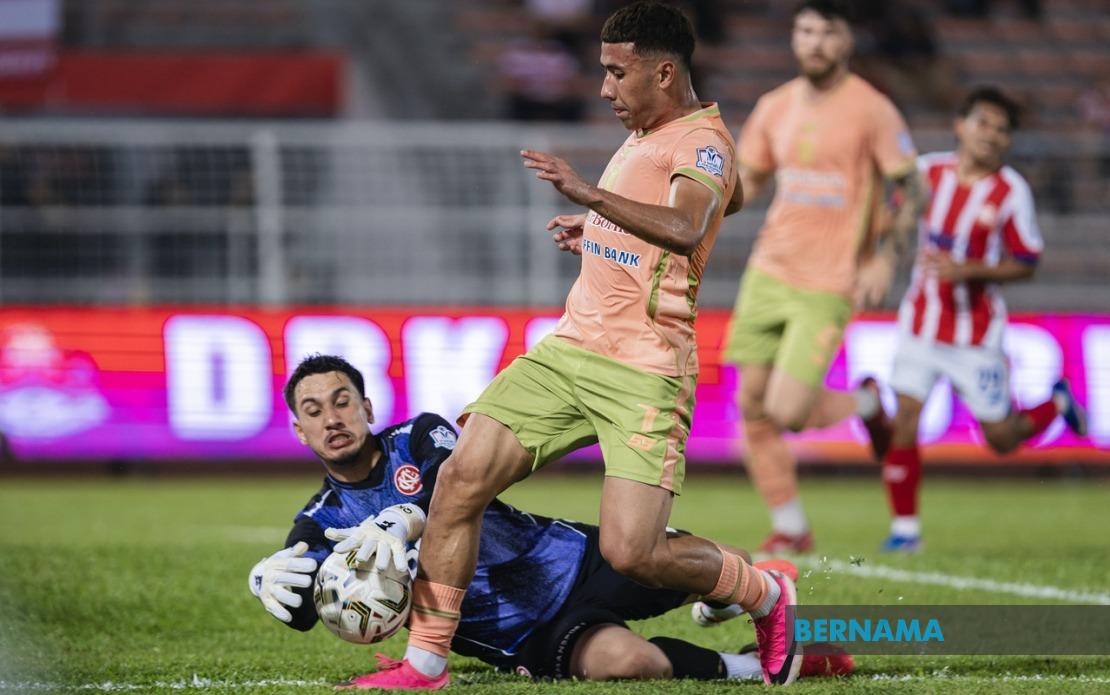
Kuala Lumpur City FC embarked on their 2026-2027 Super League season under conditions unlike anything veteran head coach Datuk Dollah Salleh has encountered in nearly a quarter-century of football management. Facing Kuching City FC at the Kuala Lumpur Football Stadium in Cheras on August 26, the home side fielded only 10 outfield players and a solitary substitute, a skeletal squad that proved insufficient against their fully-resourced opponents. The mismatch proved decisive, with KL City slumping to a devastating 6-0 defeat in what became the most challenging opener of Salleh's professional life.
The confluence of circumstances that created this perfect storm began weeks before kickoff. An influenza outbreak swept through the KL City camp, leaving 13 players and two team officials incapacitated and unavailable for selection. Simultaneously, the club grappled with unresolved player registration complications that further depleted their available roster. These twin crises left Salleh with virtually no margin for error and no realistic tactical flexibility as he prepared his team for the opening fixture. The scale of the challenge became apparent only as the team lined up for their opener.
Speaking at the post-match press conference, Salleh reflected on a situation that defied his three decades of experience navigating Malaysian football's complexities. "This has never happened in my life," he told reporters, his words underscoring the uniqueness of the predicament. He elaborated that the stress had been so consuming that colleagues and associates could visibly see his distress during the days leading up to the match. Despite the grim backdrop, Salleh acknowledged that the final scoreline aligned with realistic expectations given the circumstances, noting that his depleted squad had displayed commendable commitment during the opening period.
The match itself revealed the toll of exhaustion on KL City's threadbare defence. Playing with numerical disadvantage throughout the first half, they maintained structural discipline until Kuching City captain James Okwuosa received a red card in the 44th minute, temporarily leveling the playing field at 10-a-side. However, the respite proved temporary and illusory. Having expended considerable energy during a full first half of defending with reduced numbers, KL City's players visibly wilted as the second period progressed. The accumulated fatigue from sustained defensive pressure translated into capitulation, with Kuching City exploiting the growing gaps to inflict the heavy defeat.
Salleh's tactical response reflected the harsh realities of his situation. Unable to introduce fresh legs from the bench—a luxury most teams take for granted—he instructed his remaining players to adopt a deeper defensive posture and prioritize damage limitation over any aspirational attacking threat. The strategy represented pragmatism rather than ambition, a retreat into mere survival mode designed to prevent an even more catastrophic scoreline. In a season where goal difference often determines playoff positioning, the 6-0 loss carries implications extending far beyond three dropped points, potentially affecting KL City's entire campaign trajectory.
The coach articulated sympathy for players who had given maximum effort despite impossible circumstances. In Salleh's assessment, the deficit between availability and demand had been so vast that criticism would have been both unwarranted and counterproductive. His primary task became managing expectations and maintaining morale within a squad that had performed admirably relative to the hand dealt them. This approach reflects mature leadership—recognizing when external factors rather than individual deficiency determine outcomes.
Facing KL City to field a team or forfeit, club leadership made the difficult calculation that participation, however futile, represented the preferable path. Withdrawing from the match would have triggered more severe consequences than the on-field defeat itself. Malaysian Football League regulations impose substantial penalties for fixture cancellations, and a no-show could have jeopardized the club's standing within the league structure far more severely than any scoreline. This reality, however unpalatable, forced Salleh and his team into battle against overwhelming odds.
A glimmer of relief emerged midway through this crisis when FIFA lifted the transfer ban previously imposed on KL City, effectively removing one significant constraint on squad development. Club president announced the clearance personally, signaling that the registration pathway had finally been unblocked. Salleh explicitly noted that the team could no longer rely on administrative obstacles as explanations for their difficulties, placing responsibility squarely on performance and fitness levels going forward. This development provides a foundation for recovery, though the immediate damage had already been inflicted.
The underlying chaos extended beyond the Kuching City fixture. KL City's scheduled opening match against Negeri Sembilan FC at Stadium Tuanku Abdul Rahman in Paroi the previous Saturday never occurred after the visiting side proved unable to field a team, similarly hamstrung by registration failures. The Malaysian Football League awarded Negeri Sembilan a 3-0 walkover victory alongside three points, while simultaneously issuing KL City a RM50,000 fine for their inability to fulfill the fixture with an adequate squad. Combined with the Kuching loss, KL City had already accumulated significant early-season damage.
Looking ahead, Salleh targets redemption against DPMM FC in a home fixture scheduled for the following Saturday. He appears determined to leverage the FIFA clearance to field a substantially more complete squad, transforming a catastrophic opening into the catalyst for genuine competition. The sequence of events has exposed vulnerabilities in Malaysian football club administration—highlighting how registration chaos and health crises can cascade into on-field disasters affecting not just single matches but entire competitive seasons.
For Malaysian football observers, the KL City saga illustrates systemic fragility within domestic football administration. A team representing the nation's capital should not face scenarios where fielding 10 players becomes noteworthy precisely because it represents their maximum available strength. The crisis raises uncomfortable questions about oversight, contingency planning, and the robustness of club governance structures. While Salleh's professionalism and composure under extraordinary pressure commands respect, the underlying circumstances suggest the sport requires structural reinforcement to prevent such debacles recurring.

