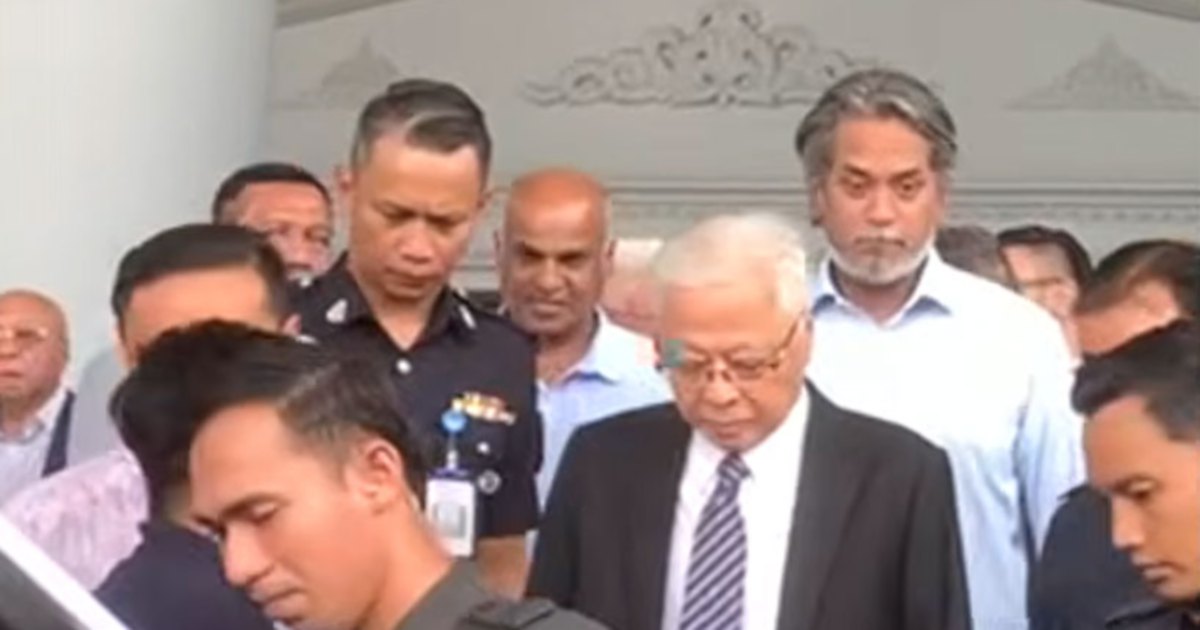
Khairy Jamaluddin's decision to appear at the Kuala Lumpur Court Complex during the charge proceedings involving former Prime Minister Datuk Seri Ismail Sabri Yaakob drew considerable focus from observers tracking the dynamics within Malaysia's political landscape. The visible show of solidarity from the prominent former Umno Youth chief underscored the importance of the case and the broader political implications surrounding the ex-premier's legal challenges.
The attendance of high-profile political figures at court proceedings has become an increasingly significant indicator of factional alignments within major political parties. In Malaysia's closely watched political ecosystem, where party unity and leadership positioning remain fluid, such public appearances carry symbolic weight beyond mere courtroom observation. Khairy's presence served as a clear message regarding the stance of certain Umno circles toward the former prime minister's predicament.
Ismail Sabri, who served as Malaysia's premier during a particularly turbulent period in the nation's recent political history, has faced mounting legal scrutiny. The appearance of supportive figures at his court dates reflects the continuation of internal party discussions about how Umno should address challenges confronting its senior members. The visibility of such support may also indicate confidence within sections of the party that the legal proceedings can be managed effectively.
The former Umno Youth chief's courtroom appearance is noteworthy given his track record of political activism and his continued relevance within party circles. Khairy, who has maintained a relatively high profile despite stepping back from formal youth leadership positions, carries considerable symbolic capital. His presence communicates to party members and the broader political establishment that prominent figures remain committed to standing with Ismail Sabri during this difficult period.
Intra-party dynamics within Umno have grown increasingly complicated in recent years, with different factions maintaining distinct positions on various issues and personalities. The legal proceedings involving former prime ministers and senior party figures often become focal points for these internal tensions. How different Umno members position themselves—whether through attendance at court or through public statements—provides insight into shifting power structures and allegiances within the party.
For Malaysian observers monitoring political developments, Khairy's attendance also raises questions about the broader trajectory of Umno leadership and succession planning. As the party navigates its relationship with the current government and attempts to consolidate its position as a major political force, actions taken by senior figures carry implications extending beyond individual legal cases. The statement made through courtroom solidarity contributes to the narrative being constructed around the party's institutional strength and cohesion.
The charge proceedings themselves form part of a larger pattern of legal actions targeting senior politicians that has characterized Malaysian politics over the past several years. These cases have significant implications for public governance, accountability frameworks, and the evolution of Malaysian democracy. The attendance of figures like Khairy provides a window into how the political establishment processes and responds to such legal challenges.
Such courtroom appearances also reflect the complicated nature of political loyalty in Malaysia. While party members may express concern about legal proceedings affecting prominent figures, their individual decisions about whether to appear publicly and lend support often reveal genuine commitments that transcend merely performative gestures. Khairy's decision to be present suggested a deliberate choice to demonstrate continued association with the former prime minister.
The implications of such political positioning extend beyond Umno itself. For coalition partners and opposition figures monitoring developments, visible displays of internal party support carry messages about organisational capacity and resilience. These observations inform calculations about the relative strength of different political actors and their likely strategies in future political contests and negotiations.
For Malaysian voters and the general public, the attendance of prominent figures at high-profile legal proceedings offers insight into the values and priorities of political leaders. Whether politicians choose to stand with colleagues facing legal challenges, how they frame such decisions, and what such choices reveal about party culture and ethics become matters of public interest. The symbolic dimensions of such actions often outlast the immediate legal outcomes.

