His Majesty Sultan Ibrahim, King of Malaysia, has issued a royal directive requiring investigations into the Royal Commission of Inquiry findings concerning Lembaga Tabung Haji to be executed comprehensively and with full transparency, leaving no room for shortcuts or opacity. This order represents a significant assertion of royal oversight in matters of public accountability, particularly concerning an institution entrusted with managing the savings of millions of Malaysian Muslims.
The directive comes in response to the RCI report, which examined governance structures, financial management, and operational practices at Tabung Haji. The commission's investigation had been commissioned to scrutinize the institution's handling of pilgrim savings and investments, matters of deep concern to the Malaysian Muslim community and the broader public. The royal instruction signals that the findings will not be treated as a mere administrative formality but will form the basis for substantive corrective action.
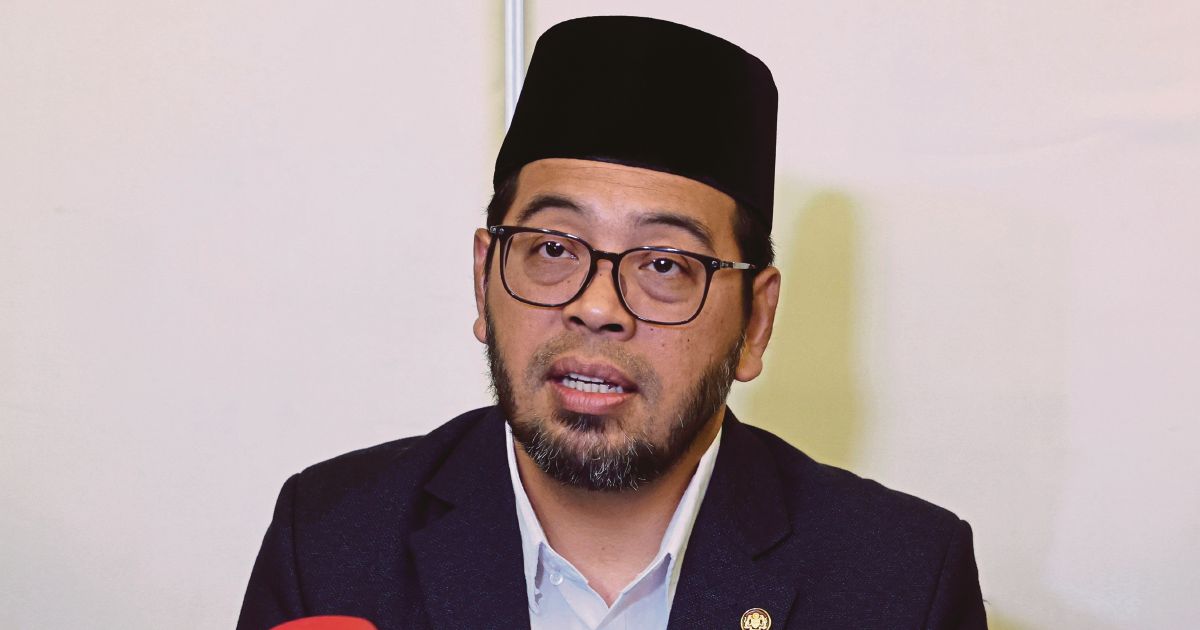
Zulkifli, who conveyed the royal decree, emphasized that His Majesty's command reflects a commitment to upholding the highest standards of governance and institutional accountability. The directive underscores the monarchy's role in ensuring that public bodies operate within proper legal and ethical frameworks. For Tabung Haji specifically, an institution managing billions of ringgit in Muslim savings, such oversight is particularly significant given the trust placed in it by pilgrims and investors.
The scope of investigations mandated by the King extends beyond identifying individual wrongdoing to encompassing systemic issues within the institution. This comprehensive approach suggests examination of internal controls, decision-making processes, and compliance mechanisms. Such depth is essential for understanding how governance failures occurred and what structural reforms are necessary to prevent recurrence. The emphasis on transparency indicates that findings will not be confined to closed-door deliberations but will be accessible to relevant stakeholders and the public.
For Malaysian readers and the broader Southeast Asian context, this development carries implications beyond Tabung Haji itself. The royal directive demonstrates how constitutional monarchies can exercise meaningful oversight of government institutions and shape accountability mechanisms. In a region where governance and transparency concerns frequently surface, Malaysia's example illustrates one institutional check available within parliamentary systems. The King's intervention elevates the investigation from a routine administrative procedure to a matter of constitutional importance.
The timing and nature of the directive also reflect growing public concern about institutional governance across Malaysia's public sector. Tabung Haji, unlike many government agencies, operates with significant autonomy in investment and financial decisions. Questions about how such autonomy is exercised, who bears responsibility for losses, and whether management decisions served the institution's beneficiaries or external interests are matters of legitimate public scrutiny. The royal order validates these concerns and commits to addressing them systematically.
Implementation of the King's directive will likely require coordination among multiple agencies including the Malaysian Anti-Corruption Commission, the Securities Commission, and the Attorney General's Chambers. Each body may bear responsibility for different aspects of the investigation, whether criminal misconduct, breach of fiduciary duty, or regulatory violations. The emphasis on comprehensiveness suggests that investigations will not be siloed but will examine connections between different types of alleged wrongdoing or governance failures.
For Tabung Haji itself, the royal order necessitates cooperation with investigative authorities and readiness to implement recommended reforms. The institution's leadership faces pressure to demonstrate responsiveness to findings and commitment to remedial action. Public confidence in Tabung Haji, crucial for an institution dependent on voluntary savings and investment contributions, depends on visible accountability and demonstrable change. The comprehensive investigation ordered by the King serves partly to rebuild such confidence through transparency.
The directive also carries procedural significance in that it establishes royal expectation regarding investigative standards. Investigators will be aware that their work is being conducted under the King's explicit mandate for comprehensiveness and transparency, creating pressure to meet elevated standards rather than pursue expedient or partial investigations. This implicit supervisory role of the monarchy represents an important institutional check within Malaysia's governance architecture.
Regionally, Malaysia's approach to the Tabung Haji situation may influence how other countries address similar governance challenges within Islamic financial institutions. Several Southeast Asian nations manage pilgrim savings schemes or Islamic financial entities, and Malaysia's demonstrated commitment to transparent institutional accountability may set benchmarks for comparable inquiries elsewhere. The involvement of the monarchy in ensuring accountability also illustrates how traditional institutions can complement modern governance mechanisms.
Looking forward, the comprehensiveness and transparency that the King has mandated will determine whether investigations serve merely to identify and punish individuals or whether they fundamentally reshape how Tabung Haji operates. The breadth of the royal directive suggests the King expects systemic reform, not merely personnel changes. This distinction matters significantly for long-term institutional health and public trust in Malaysia's management of collective Muslim savings.

