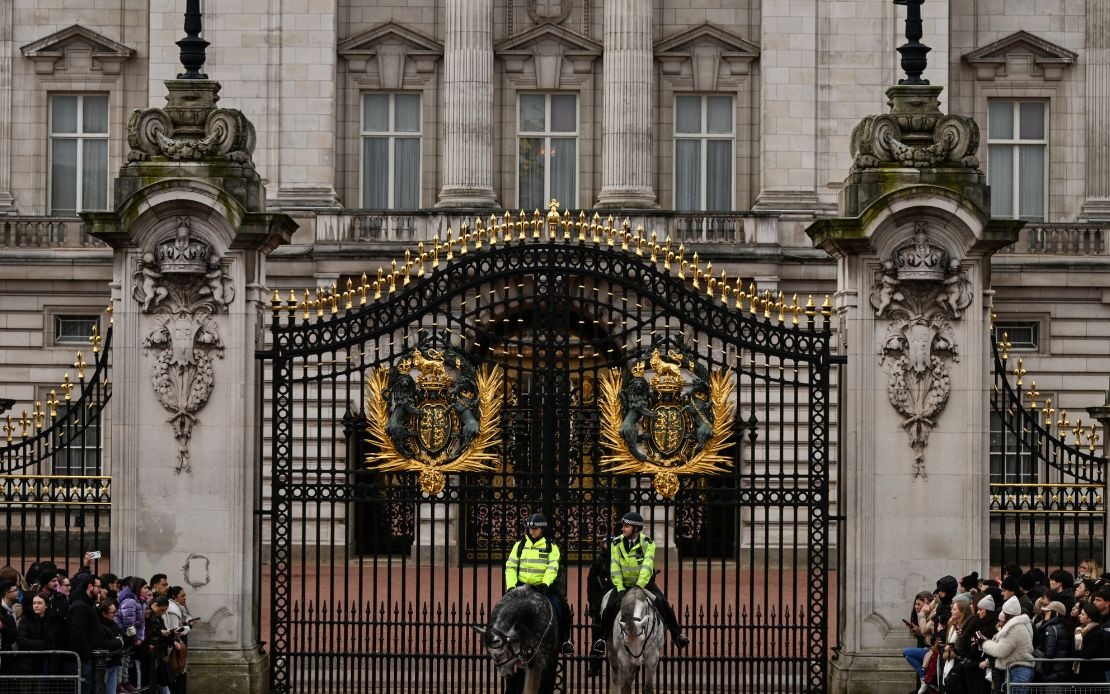
Britain's King Charles III has confirmed that Buckingham Palace will remain the ceremonial and administrative heart of the monarchy once its extensive refurbishment programme concludes, though the King and Queen Camilla will not establish it as their primary private residence. The Royal Household's statement on Thursday clarified the palace's future role, emphasising its continued importance as a venue for state ceremonies, official receptions and high-level diplomatic gatherings that define Britain's constitutional monarchy.
The distinction between ceremonial use and residential occupation reflects a pragmatic shift in how the modern British monarchy manages its vast property portfolio and public finances. While Buckingham Palace has historically served as both the working headquarters and official London home of successive monarchs, the current arrangement signals a contemporary approach that prioritises the palace's function as a symbol of state authority and national heritage rather than as a family residence. This separation allows the palace to operate more efficiently as a public and ceremonial institution while providing the King and Queen with greater flexibility in their personal living arrangements.
The 10-year Buckingham Palace Reservicing Programme, now entering its final stretch at the end of its ninth year, represents one of the most significant restoration undertakings of a royal residence in modern times. The comprehensive refurbishment addresses the palace's aging infrastructure, including electrical systems, plumbing and environmental controls that have accumulated considerable wear over decades of intensive use. Beyond mere maintenance, the project has incorporated improved accessibility features and contemporary facilities designed to support the palace's evolving role in twenty-first century state functions.
The Royal Household's commitment to maintaining Buckingham Palace as a national heritage asset with enhanced public access reflects broader changes in how heritage institutions engage with citizens. The palace will continue to welcome visitors and hosting state occasions, reinforcing its position as one of Britain's most recognisable landmarks and a centrepiece of royal pageantry. This openness represents a departure from earlier eras when royal residences remained more exclusively reserved for ceremonial occasions and restricted public viewing.
Financial figures released by the Royal Household underscore the substantial investment devoted to maintaining Britain's royal infrastructure. The Sovereign Grant, the public funding mechanism that supports the monarch's constitutional duties and palace maintenance, reached £132.1 million for the 2025-2026 financial year, with approximately £67.5 million specifically allocated toward preserving and protecting occupied royal residences. These allocations reflect the considerable costs associated with maintaining historic buildings that must simultaneously function as modern working environments and cultural monuments.
Activity levels at royal palaces demonstrate their continued importance in state business and public diplomacy. During the 2025-2026 financial year, royal palaces hosted 827 events attended by nearly 97,000 guests, ranging from intimate ceremonies to grand state banquets. These figures illustrate how intensively the monarchy's venues operate in fulfilling constitutional responsibilities and representing Britain internationally. For Malaysian observers, this volume of official entertaining parallels the extensive diplomatic functions that royal residences elsewhere in the Commonwealth must accommodate.
The decision to maintain Buckingham Palace primarily as a ceremonial centre rather than a residential palace aligns with contemporary royal practices observed across other Commonwealth realms and European monarchies. Several royal households have similarly separated administrative and ceremonial functions from private family living spaces, creating more sustainable models of heritage management. This approach permits better resource allocation, more focused conservation efforts and clearer separation between public responsibilities and private life, a distinction increasingly valued by modern constitutional monarchies.
For Southeast Asian and Malaysian readers, Buckingham Palace's evolving role carries particular relevance given Malaysia's own constitutional monarchy and heritage preservation challenges. The careful management of royal residences as both functional institutions and cultural landmarks reflects principles applicable to heritage conservation across the region. The scale of Britain's investment in maintaining royal infrastructure also contextualises discussions about heritage preservation funding and the costs associated with sustaining historically significant buildings in active use.
The completion of the Buckingham Palace refurbishment will conclude a significant chapter in British royal administration. Once finished, the palace will emerge as a modernised venue capable of serving the monarchy's requirements for the coming decades. The project demonstrates how even institutions steeped in centuries of tradition must adapt their physical infrastructure to accommodate contemporary operational needs while respecting historical significance and public expectations of accessibility.
Queen Camilla's role as co-user of Buckingham Palace for ceremonial purposes continues the evolution of her position within the institution of monarchy. Her involvement in official entertaining and state functions reinforces her active partnership in the King's constitutional role, a development that earlier eras of the monarchy would have handled differently. This contemporary arrangement reflects changing expectations about the role and visibility of the Queen Consort in modern constitutional monarchies.

