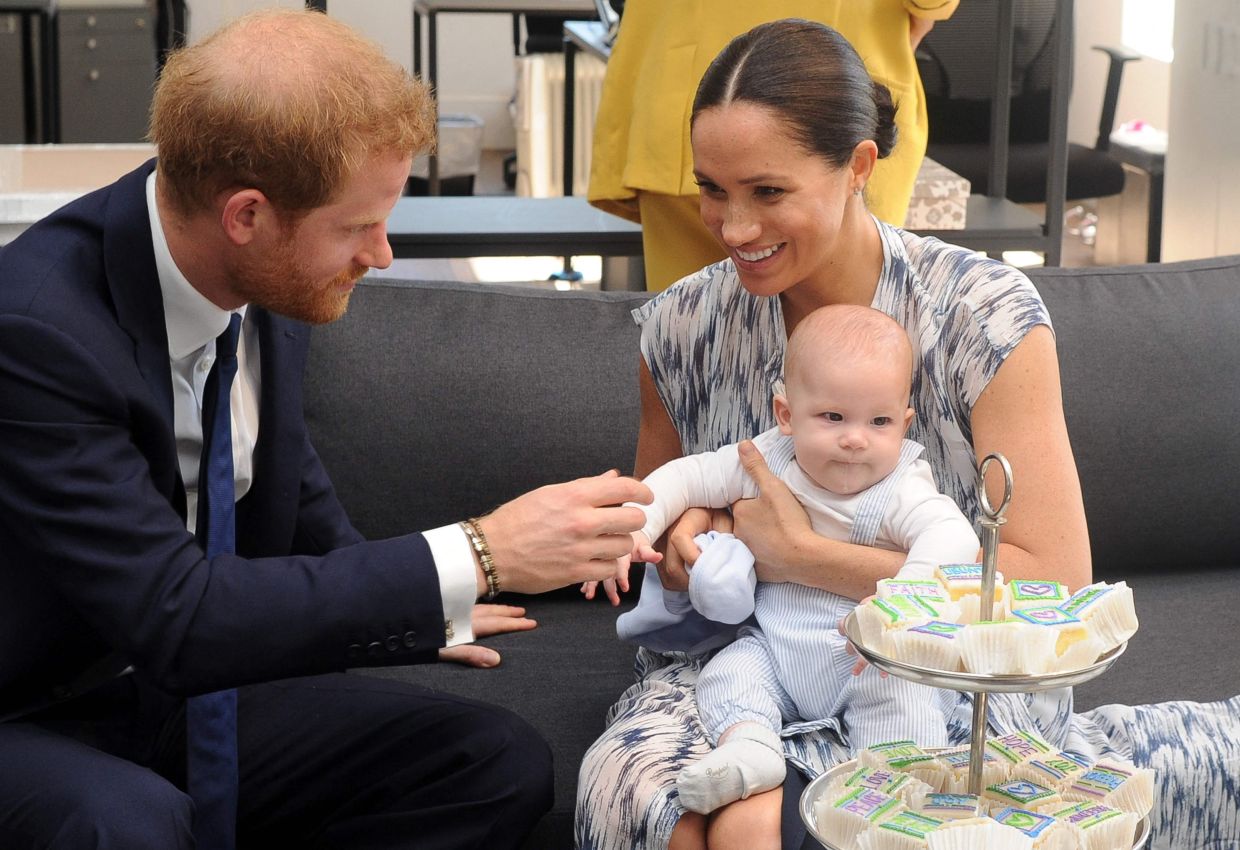
King Charles III has opened the doors of his Highgrove House estate to Prince Harry and his family in what represents a watershed moment for the fractured House of Windsor. The monarch, along with Queen Camilla, received the Duke and Duchess of Sussex and their two children, Prince Archie and Princess Lilibet, at the country residence west of London—a meeting that carries profound symbolic weight given the deep estrangement that has characterized their relationship since Harry and Meghan's departure from royal life six years ago.
The gathering came as Harry completed a visit to the United Kingdom centred on several charitable commitments, though media interest focused heavily on the possibility of a family reunion. For years, speculation about whether such a meeting would occur has dominated coverage of the royals, with particular intrigue surrounding whether Meghan would attend and crucially, whether their children would join them. The logistics alone posed significant challenges; with Archie now seven years old and Lilibet five, both had early encounters with their grandfather during Queen Elizabeth II's Platinum Jubilee celebrations in 2022, but regular contact has been virtually non-existent.
The reconciliation effort, while welcome, comes against a backdrop of ongoing tensions that have defined the relationship since 2018 when Harry and Meghan withdrew from frontline royal duties. Their subsequent relocation to California to pursue commercial ventures marked a rupture that extended far beyond simple geographical distance. The publication of Harry's memoir introduced a fresh dimension of acrimony, containing allegations that reverberated through palace corridors and tabloid pages alike. His characterisations of other family members, particularly his criticism of Queen Camilla, whom he accused of leaking private conversations to media outlets, created friction that proved difficult to overcome through conventional diplomatic channels.
The timing of this meeting underscores how constrained such occasions have become within the modern monarchy. Royal schedules operate on timelines measured in years rather than months, with commitments locked in far in advance. Any window for such an encounter is inevitably narrow, particularly given that Archie and Lilibet must return to their California school calendar as autumn approaches. The convergence of Harry's presence in Britain with a rare alignment of royal scheduling created an opportunity that both parties appear to have recognised as too valuable to forgo, despite the complications and residual bitterness.
Harry's determination to facilitate this meeting demonstrated itself earlier in the week through a series of awkward negotiations with palace officials. Initial offers of accommodation at Buckingham Palace were subsequently withdrawn after disagreements over acceptance protocols, revealing the brittleness of negotiations between the prince and the institution he once served. These public stumbles highlighted how fraught even basic logistics remain when the royal family and the Sussexes attempt to coordinate, though ultimately both sides prioritised the fundamental objective of allowing the children to spend time with their grandfather.
The prince's personal motivation for reconciliation has become increasingly apparent. At 77 years old, Charles is undergoing treatment for an unspecified form of cancer, a reality that has evidently concentrated Harry's thinking regarding family relationships. He has spoken publicly about his desire to rebuild connections with his father, recognising perhaps that opportunities to do so are finite. A brief meeting over tea between Charles and Harry in September 2023 provided the foundation for this more substantial gathering, though it represented only a tentative step toward genuine reconciliation. The presence of Meghan and the children represented a significant escalation in terms of both commitment and symbolism.
Adding to the weight of this occasion was Harry's legal setback earlier in the week, when he lost a court battle against a British newspaper publisher regarding privacy invasion claims. While this judicial loss might have dampened spirits, it also served to underscore how exhausted all parties have become with adversarial approaches. Harry has long framed his legal campaigns as efforts to protect his family from tabloid intrusion, yet the courts have not validated these claims as systematically as he had hoped. This confluence of personal and legal challenges appears to have reinforced his stated commitment to moving beyond conflict.
The decision to classify this meeting as private, with explicit instruction that no photographs would be released, demonstrates a strategic approach to family reconciliation. Rather than seeking publicity or attempting to manage narratives through carefully curated images, both the palace and the Sussexes recognised that genuine healing requires space away from public scrutiny. This restraint contrasts sharply with the media frenzy surrounding earlier phases of their dispute, where every statement and counterclaim generated headlines across the British and international press.
For Malaysian and Southeast Asian observers, this reconciliation carries broader significance regarding how modern institutions handle family breakdown. The Windsor family saga has played out across multiple continents and platforms, illustrating how contemporary disputes amplify and calcify through media coverage and social media discourse. The willingness of all parties to attempt rapprochement, despite profound disagreements and competing narratives, offers a lesson in the possibility of restoration even after relationships have deteriorated significantly. The presence of the children—whose formative years have been shaped by this divide—introduces an additional dimension of poignancy, as does Charles's health situation, which has clarified priorities and focused attention on what genuinely matters.
The road to genuine reconciliation remains substantially incomplete, however. A single meeting, however positive in tone, does not resolve the underlying issues that prompted Harry and Meghan's departure nor the fundamental disagreements about media relationships, security arrangements, and the monarchy's institutional expectations. Yet the gathering at Highgrove House suggests that all parties recognise the costs of perpetual estrangement and are willing to undertake the difficult work of rebuilding. Whether this represents a turning point toward sustained improvement or merely a poignant pause in ongoing tensions remains to be seen, but it demonstrates that even in the most fractured of family circumstances, pathways toward connection can be found.

