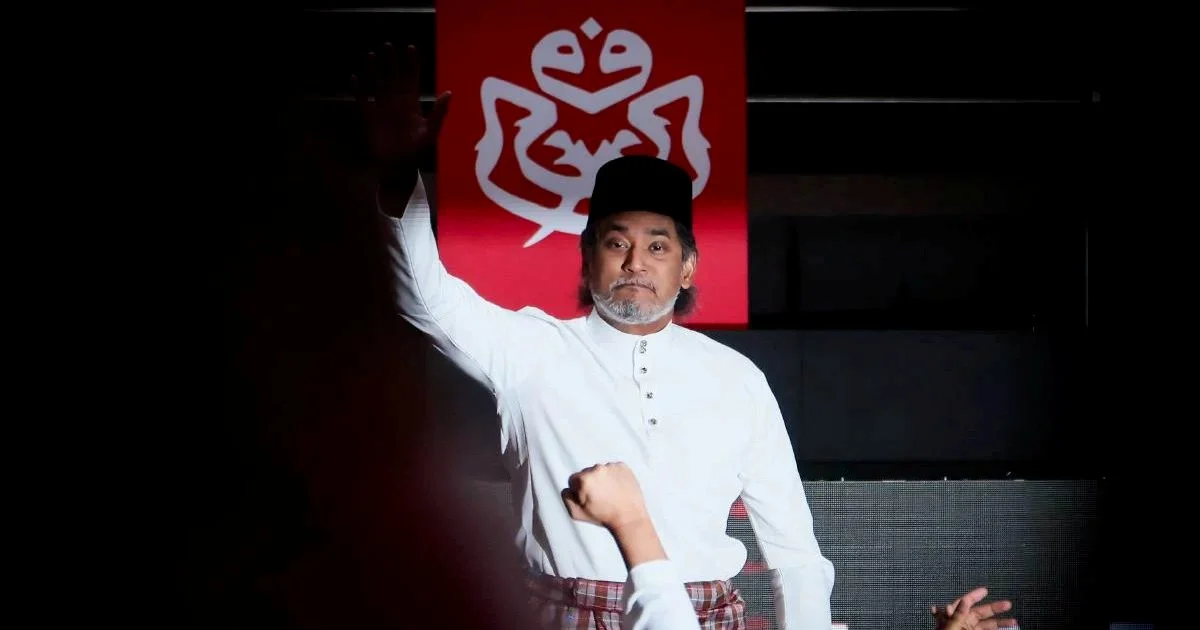
Khairy Jamaluddin, the former Rembau member of parliament and influential figure within Umno's younger faction, has stepped back from making an independent decision about his political future, instead placing the matter squarely in the hands of party leadership. The development comes as Negri Sembilan prepares for a state election on August 1, with the decision leaving open the possibility that the prominent politician could contest for a seat in the assembly.
The move represents a shift in approach for Khairy, who has traditionally been vocal about his political ambitions and vision for the party. By deferring to the leadership, he has signalled both respect for the party hierarchy and recognition that strategic candidate placement requires coordination at the highest levels. This approach reflects the delicate balance Malaysian politicians must maintain between personal aspirations and party discipline, particularly in constituencies where demographic shifts and voter sentiment can determine electoral outcomes.
Negri Sembilan, one of Malaysia's smaller states, holds particular significance in Umno's broader political calculus. The state has traditionally been a stronghold for the party, though like many traditional Umno territories, it has experienced voter volatility in recent election cycles. A seat in Negri Sembilan would represent a different geographic base for Khairy compared to his long tenure representing Rembau, which straddles Selangor and Negeri Sembilan borders. The August 1 timeline indicates the election has become imminent, leaving little room for extended deliberation.
Khairy's political journey has been marked by periods of prominence and setback. As a former Youth and Sports Minister and later Health Minister, he built a reputation as one of Umno's more technocratic and reform-minded voices. His tenure during the COVID-19 pandemic brought him into the international spotlight, though his efforts also generated criticism from certain quarters. More recently, his profile within party structures has undergone recalibration as Umno navigates the post-2022 political realignment and the party's relationship with other components of the Barisan Nasional coalition.
The decision to leave candidacy determination to party leadership rather than making an unilateral announcement underscores the practical realities of Malaysian electoral politics. Party leaders must weigh multiple factors when deploying their more recognisable figures: whether a politician's personal brand translates into votes in a given constituency, whether their elevation to state-level politics might create tensions with local party structures, and how their candidacy affects the broader coalition strategy. Umno's senior leadership would be considering these variables before finalising any decision on Khairy's involvement.
For Negri Sembilan specifically, the election assumes heightened importance given the state's role as a testing ground for national political sentiment. The results could provide important indicators about voter behaviour in constituencies that have demonstrated shifting allegiances over recent election cycles. Umno's selection of candidates—particularly high-profile ones like Khairy—sends signals about which seats the party considers competitive or strategically important for its broader political objectives.
The deferral also reflects generational dynamics within Umno. Khairy represents a cohort of politicians who came of age in the post-2008 era, when the party began losing its traditional two-thirds parliamentary majority. This generation typically advocates for party modernisation and expanded internal democracy, values that sometimes create tension with more traditional power structures. His willingness to let the leadership decide may be both a pragmatic calculation and a diplomatic gesture to party elders whose support remains crucial for his political progression.
For Malaysian observers tracking Umno's evolution, Khairy's position within the party structure remains significant. His rhetoric on governance, technology, and inclusive policies has shaped conversations within Malaysia's largest political organisation. Whether he contests in Negri Sembilan or elsewhere, his continued prominence in electoral politics matters for the direction of Umno's policy platform and its appeal to urban, educated voters who increasingly determine election outcomes in competitive constituencies.
The August 1 election date imposes genuine time constraints on all parties involved. Campaign preparation, candidate vetting, and local party organisation all require adequate lead time to function effectively. Party leadership's responsibility to deliver a clear candidate roster before that date means deliberations over Khairy's status must reach resolution well before polling day. This compressed timeline may actually accelerate final decision-making, forcing the kind of clarity that protracted internal discussions might otherwise delay.
Ultimately, Khairy's deference to party leadership reflects a pragmatic understanding that successful electoral politics requires alignment between individual ambition and organisational strategy. By allowing his political fate to rest on the party's assessment of where he can contribute most effectively, he positions himself as a team player while maintaining visibility for future opportunities. The coming weeks will reveal whether Umno's leadership views a Khairy candidacy in Negri Sembilan as beneficial for the party's electoral prospects or whether other considerations take precedence in their candidate selection process.