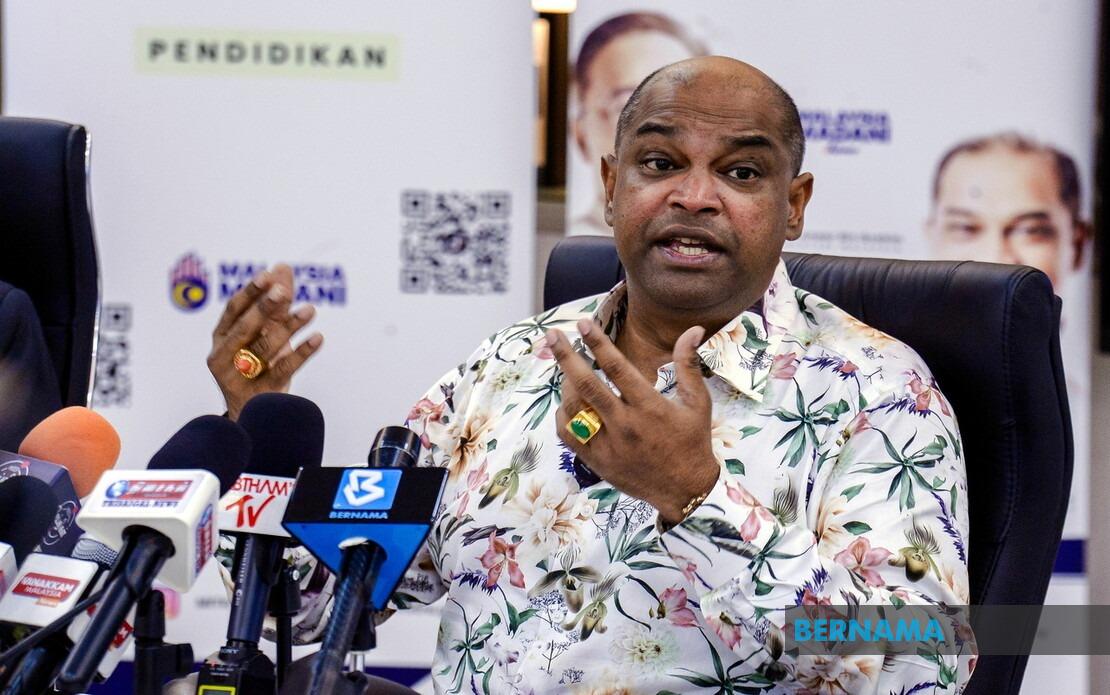
The Malaysian Ministry of Human Resources (KESUMA) is actively pursuing a significant policy shift that could reshape how the country funds vocational education, having initiated the formal process of converting Skills Development Fund Corporation (PTPK) financing from its current loan structure into a grant-based system. Minister Datuk Seri R Ramanan revealed in Melaka that the ministry is gathering input from other government departments before submitting the proposal to Cabinet for consideration, signalling that the initiative has moved beyond preliminary discussion stages into concrete policy development.
The RM100 million allocated to PTPK represents a substantial resource commitment to skills training in Malaysia, yet its current loan-based structure has presented challenges for graduates attempting to launch their careers. Ramanan acknowledged the administrative complexity surrounding the conversion, explaining that regardless of whether the funds operate as loans or grants, the Cabinet must formally approve the mechanism. This procedural requirement underscores how government funding mechanisms at scale require high-level oversight and inter-agency coordination, particularly when the shift could have budgetary implications across multiple portfolios.
The ministry has already prepared an initial proposal document, but Ramanan indicated that refinements and additional supporting documentation remain necessary before the scheme reaches the Cabinet table. This measured approach suggests KESUMA is building a comprehensive case that addresses potential concerns from Finance Ministry officials and other stakeholders who may scrutinise the fiscal impact and implementation logistics of converting outstanding loan obligations into grant payments.
The underlying motivation for this conversion is deeply rooted in Malaysia's commitment to making Technical and Vocational Education and Training (TVET) more accessible and financially sustainable for students. By eliminating the repayment burden that currently follows graduation, KESUMA aims to reduce the financial obstacles that deter capable individuals from pursuing skills-based qualifications rather than traditional academic pathways. This addresses a persistent challenge in Southeast Asian labour markets, where vocational training remains undervalued despite chronic shortages of skilled tradespeople and technicians across multiple sectors.
The timing of this initiative aligns with broader government efforts to modernise Malaysia's workforce development infrastructure. The dialogue session in Melaka, held alongside the MYFutureJobs Lindung Kerjaya Carnival, brought together representatives from multiple agencies including the Social Security Organisation (Perkeso), indicating whole-of-government coordination on employment and skills issues. This collaborative approach reflects recognition that workforce development cannot be siloed within education or human resources portfolios but requires integration with social security systems and employment services.
KESUMA's efforts to rebrand and energise its employment and skills initiatives extend beyond the PTPK conversion proposal. The ministry has launched the MYFutureJobs Ambassador programme, recruiting higher education institution students to serve as peer mentors and information disseminators within campus communities. This grassroots engagement strategy acknowledges that traditional top-down career guidance often fails to resonate with young people, who typically trust peer recommendations and authentic voices from their own cohort more readily than institutional messaging.
The introduction of Oyen as the official MYFutureJobs mascot represents an unconventional but pragmatic approach to youth engagement, transforming abstract policy initiatives into relatable, approachable symbols. In an era where government communication increasingly competes with social media and informal networks for young people's attention, such branding elements serve genuine functional purposes beyond appearing gimmicky. The mascot helps institutions achieve cut-through in cluttered information environments while making skills development discussions feel less bureaucratic and intimidating.
For Malaysian students and families already grappling with education costs, the potential conversion to grant-based PTPK funding addresses a significant financial pressure point. Currently, graduates must service PTPK loans while simultaneously managing other study-related debts, potentially delaying major life decisions including home purchases, entrepreneurship, or family formation. A grant structure would immediately improve the financial position of TVET graduates relative to their university counterparts in certain circumstances, potentially shifting perceptions of vocational training's relative attractiveness.
The initiative also carries implications for Malaysia's competitive positioning within Southeast Asia's emerging economy landscape. Countries that successfully channel talent toward technical and vocational pathways gain advantages in attracting manufacturing, logistics, and specialised services investments. By reducing financial barriers to TVET participation, Malaysia positions itself more competitively against regional peers also investing in workforce development. This becomes particularly salient as multinational manufacturers increasingly locate operations in Southeast Asia and demand skilled local labour forces.
Implementation of the conversion proposal would require careful attention to transitional arrangements, particularly regarding individuals who have already received PTPK loans and are servicing them. KESUMA will need to address whether the grant status applies solely to future recipients or encompasses retroactive relief for current borrowers, decisions that carry significant budgetary consequences and fairness implications. The policy framework emerging from Cabinet deliberations will likely establish clear effective dates and eligibility boundaries.
The broader context for KESUMA's proposal includes persistent government commitment to expanding the MADANI framework, which emphasises inclusive economic participation and social support mechanisms. Within this conceptual framework, removing financial barriers to skills acquisition represents a logical extension of policies designed to ensure Malaysians have genuine opportunities for advancement regardless of socioeconomic background. The carnival events and ambassador programmes serve as tangible manifestations of this commitment at community level.
Success of the PTPK conversion ultimately depends on Cabinet members' willingness to approve a funding mechanism shift that some conservative fiscal voices may resist. KESUMA's methodology of gathering interdepartmental input before formal submission suggests the ministry is building consensus and addressing concerns preemptively, increasing the likelihood of smooth Cabinet consideration. The coming weeks will reveal whether Malaysia moves forward with this potentially transformative approach to funding skills development, with implications extending well beyond individual beneficiaries to shape the nation's competitive positioning in regional and global labour markets.

