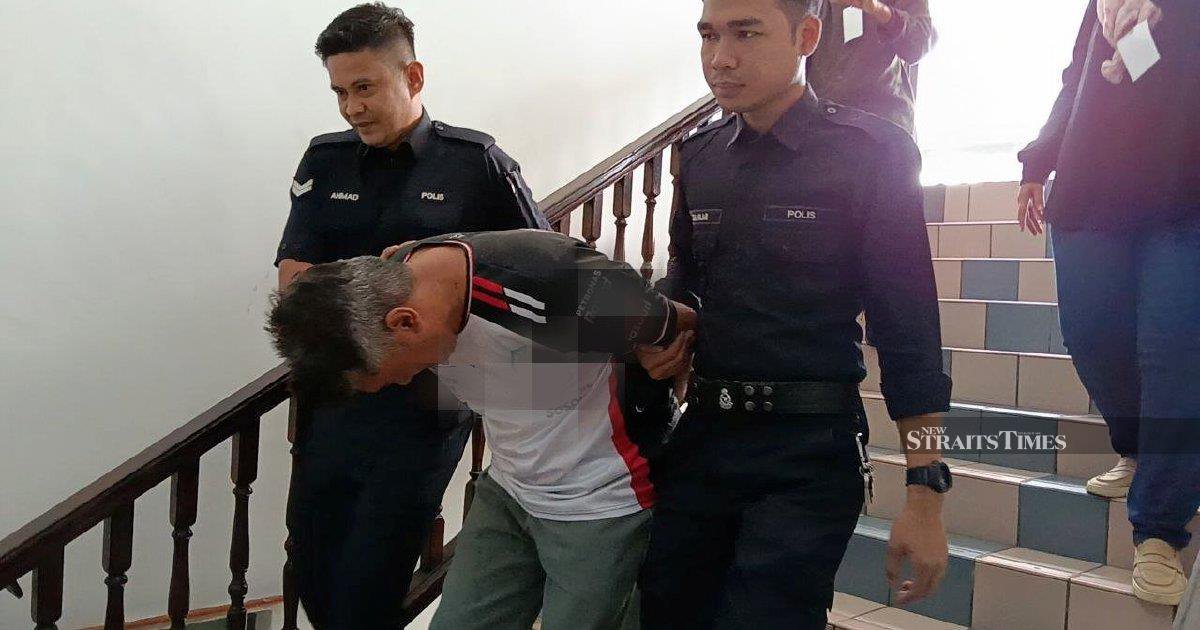
A Melaka-based keropok seller has faced charges in the magistrate's court for his alleged involvement in an audacious scheme to deliver restricted goods into a high-security facility using drone technology. The charges relate to criminal trespass and the unlawful smuggling of tobacco into Sungai Udang Prison, with the incident occurring during the previous week.
The use of unmanned aerial vehicles to breach prison security represents an escalating concern for Malaysian correctional authorities. What was once considered a futuristic threat has now manifested into a tangible operational challenge, with perpetrators exploiting the relatively low cost and accessibility of consumer-grade drone technology. The successful deployment of such equipment into a secure facility underscores significant gaps in aerial surveillance capabilities at some detention centres across the country.
Tobacco and nicotine products have become high-value contraband within Malaysian prisons, where restrictions on smoking and tobacco possession are strictly enforced under institutional regulations. Inmates have demonstrated considerable ingenuity in establishing supply networks, and external facilitators willing to take legal risks have emerged as critical links in these informal distribution chains. The commercial value of such items within the prison economy creates powerful incentives for those operating outside the walls to participate in smuggling operations.
The involvement of a keropok trader in this scheme raises questions about how seemingly ordinary businesspeople become entangled in prison smuggling networks. Investigators will likely examine whether the suspect was a willing participant motivated by financial gain, or whether he was coerced or manipulated into participating. Such cases frequently reveal complex webs of relationships and dependencies that extend beyond simple criminal transactions.
From a security perspective, the incident demonstrates that Malaysian prisons must accelerate their adoption of counter-drone technology and enhanced aerial monitoring systems. Neighbouring facilities in the region have begun implementing signal-jamming equipment and drone detection systems, yet implementation remains inconsistent across Malaysia's correctional infrastructure. Budget constraints and the relative novelty of the threat have delayed comprehensive upgrades at many institutions.
The drone delivery method employed here differs markedly from traditional smuggling approaches involving corrupt officials or visitors smuggling items through permitted entry points. Aerial delivery eliminates the need for human infiltration and drastically reduces the likelihood of detection at conventional checkpoints and screening stations. This technological shift presents a strategic challenge requiring prison authorities to reimagine their security perimeter as extending upwards into airspace previously considered outside their control.
Malaysian law enforcement has historically focused on ground-level and facility-based contraband control, with limited experience in addressing aerial intrusions. The charge of criminal trespass accompanying the smuggling count reflects authorities' attempt to apply existing legal frameworks to novel circumstances. However, legislators may need to consider crafting more specific provisions addressing unlawful drone operations near restricted facilities, particularly if such incidents increase in frequency.
The Sungai Udang facility, located in Melaka, processes hundreds of inmates across various security classifications. A successful contraband delivery at this facility could embolden similar attempts at other institutions across the peninsula. Prison administrators will likely increase perimeter inspections and inmate area surveillance following this incident, alongside briefings for staff on recognising signs of incoming drone deliveries.
Internationally, prisons across various jurisdictions have reported increasing drone-based smuggling attempts. Correctional authorities in countries including the United States, the United Kingdom, and Australia have all documented such incidents over the past several years. Malaysia joining this unfortunate list suggests that as drone technology becomes cheaper and more widely available, Southeast Asian prisons must urgently establish regional information-sharing protocols and best-practice standards for counter-drone operations.
The charges against the keropok seller will likely result in significant penalties reflecting both the smuggling offence and the criminal trespass element. Conviction could result in custodial sentences and substantial fines, serving as a deterrent to others considering similar activities. However, the underlying dynamics driving prison smuggling—inmate demand, high contraband values, and external facilitators' financial motivation—will persist unless addressed through broader prison reform and rehabilitation strategies.
This case also highlights tensions within Malaysian society regarding prison rehabilitation philosophy. While strict enforcement and security remain necessary, addressing root causes of inmate engagement in prohibited substance use and developing alternative recreational or therapeutic activities could reduce demand for smuggled items. Prisons balancing security imperatives with humane conditions must consider comprehensive approaches beyond technological fixes.
As technology continues advancing, Malaysian correctional authorities face growing pressure to modernise their security postures. The integration of counter-drone technology, enhanced aerial surveillance, and real-time threat detection systems should become priorities in coming budget allocations. Simultaneously, intelligence units must develop capacity to investigate and disrupt external supply networks before goods reach prison perimeters.

