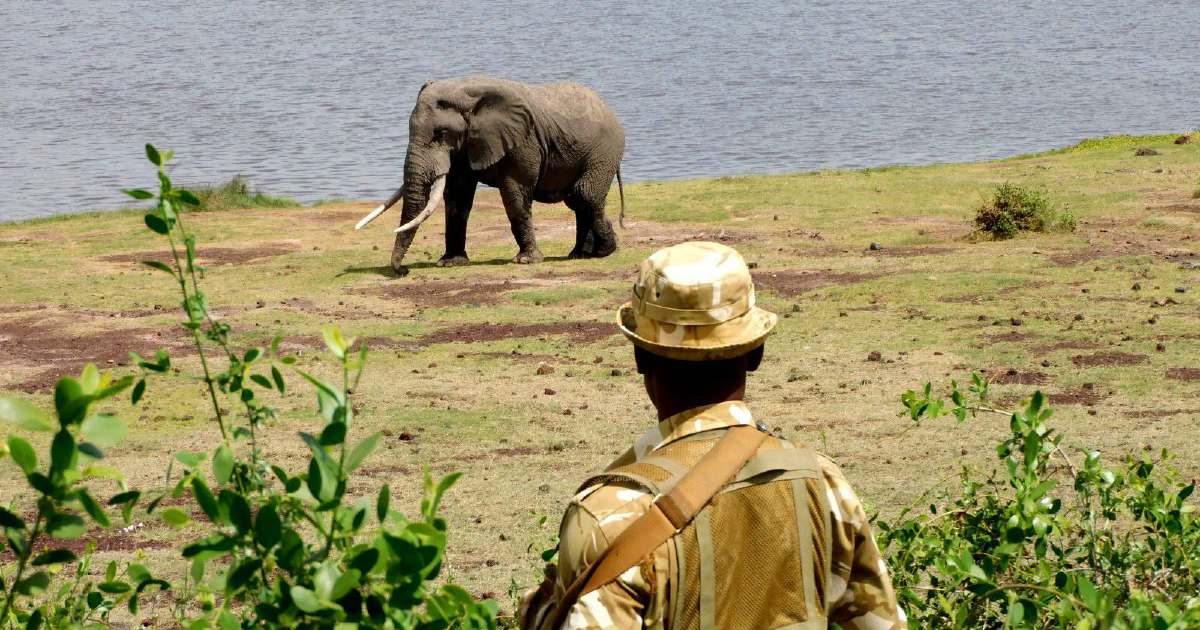
The Kenyan Wildlife Service has launched a formal investigation into the deaths of 15 elephants that occurred within a month at Amboseli National Park, marking a significant conservation concern for one of East Africa's most important wildlife destinations. The agency made the announcement on Tuesday, signalling the seriousness with which authorities are treating the unusual mortality spike among the park's elephant population.
Amboseli National Park, located in southern Kenya near the Tanzanian border, is renowned globally as a premier destination for observing large elephant herds in their natural habitat. The park's elephant population has long served as a barometer for the health of Kenya's broader conservation efforts and the stability of the wider East African ecosystem. The sudden loss of 15 individuals represents a substantial reduction that warrants immediate scientific scrutiny and raises pressing questions about underlying environmental or biological factors affecting the animals.
The concentrated timeframe of these deaths—occurring within a single calendar month—suggests the possibility of a common causative agent rather than isolated incidents. Investigators will likely examine multiple hypotheses, including disease outbreaks, contaminated water sources, poisoning, or environmental stressors such as drought conditions. Given Kenya's recent climatic challenges and the region's ongoing water stress, drought-induced malnutrition and dehydration remain plausible contributing factors that authorities will need to evaluate thoroughly.
Disease represents another critical avenue of investigation. Anthrax, which periodically affects wildlife populations across East Africa, remains a concern that wildlife veterinarians typically examine in cases of unexplained animal mortality. Other infectious pathogens or parasitic conditions could similarly explain the cluster of deaths, though comprehensive necropsies and tissue analysis will be necessary to identify any pathogenic agents. The absence of initial clarity about causes underscores both the investigative challenges wildlife scientists face and the complexity of maintaining ecological health in protected areas.
The implications of this mortality event extend beyond Amboseli itself, resonating across Kenya's conservation sector and throughout Southeast Asian nations that share similar challenges in protecting megafauna. Malaysia, Indonesia, and other regional countries managing vulnerable elephant and megafauna populations will likely monitor this investigation closely, as findings could provide valuable lessons about emerging threats to Asian elephant populations facing habitat pressure, human-wildlife conflict, and environmental stress. The data generated from Kenya's probe may inform regional conservation strategies and early-warning systems for wildlife health emergencies.
Amboseli's elephant population has historically faced numerous pressures, including human encroachment, water scarcity, and competition with pastoral communities for limited grazing resources. The park's ecological carrying capacity has been a subject of ongoing scientific debate, and this mortality event may force policymakers to reassess management strategies and resource allocation. Conservation experts increasingly recognize that understanding interactions between climate change, habitat degradation, and wildlife health is essential for effective long-term protection of megafauna populations.
The investigation's findings will likely influence how Kenya approaches future conservation challenges and may shape policy discussions about protected area management across the continent. Wildlife authorities will need to determine not only the immediate cause of death but also any systemic vulnerabilities in Amboseli's ecosystem that might have predisposed the elephant population to such a devastating loss. This comprehensive approach extends beyond identifying a single causal factor to understanding the broader environmental context.
Kenyan Wildlife Service's willingness to investigate transparently demonstrates the institutional commitment to understanding wildlife mortality events, yet the lack of immediate answers reflects the genuine scientific complexity involved. The organization will need to coordinate with international veterinary experts, deploy advanced diagnostic technologies, and conduct thorough field investigations to reach conclusive determinations. The investigation timeline remains unclear, though rapid progress is essential given the urgency of protecting the remaining elephant population from potential ongoing threats.
For Southeast Asian conservation efforts, this incident underscores the importance of robust monitoring systems, rapid response protocols, and international knowledge-sharing mechanisms. Malaysia's elephant populations, though smaller and more fragmented than Kenya's, face comparable pressures from habitat loss and environmental degradation. Lessons from Amboseli could inform training programs for Malaysian wildlife rangers and contribute to early disease detection systems that benefit regional megafauna management. The investigation also highlights how wildlife conservation has become an increasingly interconnected global challenge requiring transnational expertise and coordinated responses to emerging threats.

