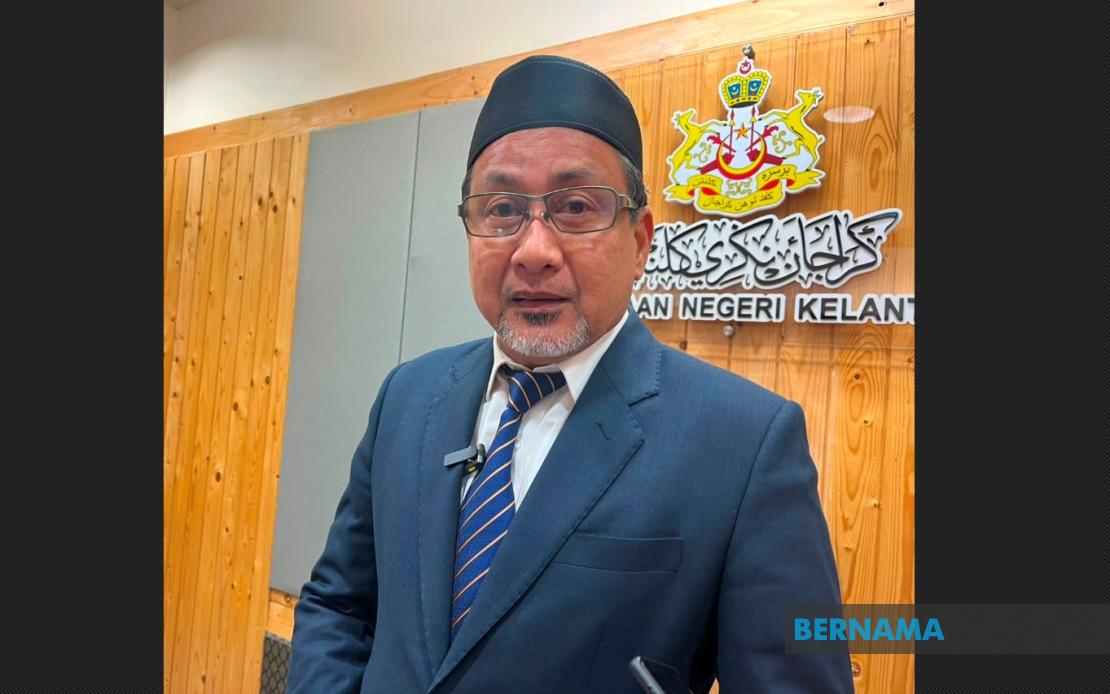
Sports authorities in Kelantan have issued a directive requiring the State Assembly Elite League to halt all matches immediately whenever severe weather threatens player safety. The order comes in response to mounting concerns about environmental hazards facing athletes, particularly during the monsoon season when thunderstorms and heavy downpours become increasingly common across the region.
Zamakshari Muhamad, who chairs the state's Youth, Sports, Non-Governmental Organisations and Community Unity Committee, announced the safety protocol following a state executive council meeting in Kota Bharu on August 5. He emphasised that protecting participants and officials involved in sporting events must take precedence over match schedules or organisational commitments, signalling a hardline stance on weather-related cancellations that officials had previously approached more leniently.
The timing of this directive reflects fresh urgency around player safety. A day before the announcement, a Thai footballer lost his life after being struck by lightning during a Golok FA Cup match at Santiphap Stadium in Sungai Golok, Narathiwat province across the border in Thailand. A Malaysian player competing in the same encounter sustained injuries from the same incident, underscoring how quickly weather emergencies can turn catastrophic on the football pitch. The incident reverberated through sports communities on both sides of the border and prompted regional authorities to reassess their weather protocols.
Lightning strikes at sporting venues represent a well-documented hazard in tropical climates like Malaysia and Thailand, where electrical storms build rapidly and with little warning during certain seasons. Unlike temperate regions where thunderstorm forecasting offers extended lead time, the sudden intensity of monsoon-season squalls means matches can face danger within minutes. The Kelantan directive acknowledges this reality by requiring immediate cessation rather than continuing play until official weather alerts arrive.
For Malaysian sports administrators grappling with fixture congestion and revenue pressures from postponements, the order represents a significant operational constraint. Elite League matches already compete for venues and scheduling against numerous other regional competitions and grassroots tournaments. Weather stoppages during peak monsoon months from September through March could stretch seasons uncomfortably and create fixture backlogs. However, Zamakshari's emphasis on safety prioritisation suggests the state government views occasional disruption as preferable to the legal and reputational liability accompanying player injuries or fatalities.
Beyond the immediate weather directive, Kelantan authorities have also tightened governance around the use of the state's name in sporting and community events. Any programme organised by non-governmental organisations or private entities that incorporates the word "Kelantan" in its branding or marketing will now require prior written approval from the state government. This policy shift responds directly to the Kelantan International Marathon incident, which generated widespread social media backlash when organisers allegedly collected entry fees before cancelling the event without maintaining any official connection to state government structures.
The marathon controversy highlighted how organisers can exploit a state's reputation and brand recognition to attract participants and extract payment, only to disappear without delivering services or refunding participants. Such episodes damage public trust in sporting events originating from the region and create confusion about which organisations genuinely represent official state initiatives. The approval requirement aims to restore transparency and protect both participants and the state's sporting reputation from exploitation by opportunistic private operators.
For event organisers and NGOs operating in Kelantan, the new branding requirement adds an administrative layer but also provides clarity about expectations. Small grassroots community groups must now navigate an approval process before marketing events with the state name, though authorities have not yet publicised the specific approval timeline or documentation requirements. Organisers with legitimate programmes should benefit from the credibility that official endorsement provides, while operators with poor intentions face a bureaucratic hurdle discouraging fraudulent use of the state's identity.
These parallel directives reflect a broader reassessment of how Kelantan's government supervises sporting activity and community programming within its jurisdiction. The weather suspension order targets physical safety of athletes, while the naming approval process addresses institutional governance and consumer protection. Together, they suggest state leadership recognises that sports administration extends beyond simply issuing match fixtures—it encompasses duty of care, brand stewardship, and public accountability.
For neighbouring states and national sports bodies, Kelantan's weather protocols may establish a template worth considering. Malaysia's sports calendar concentrates heavily during September-to-March when monsoon conditions prevail across much of Peninsular Malaysia and Sabah. Having clear, consistent guidelines about when lightning and heavy rain trigger automatic suspensions could reduce confusion and liability exposure across multiple jurisdictions and competition levels.
The incidents and responses also carry implications for grassroots participation in football and other outdoor sports across Malaysia and Thailand. Parents and young athletes now have greater assurance that weather-related match cancellations reflect genuine safety considerations rather than administrative convenience. In a region where youth football development programmes operate year-round and often lack sophisticated weather monitoring, clear government directives setting the standard for what constitutes dangerous conditions offer valuable guidance.

