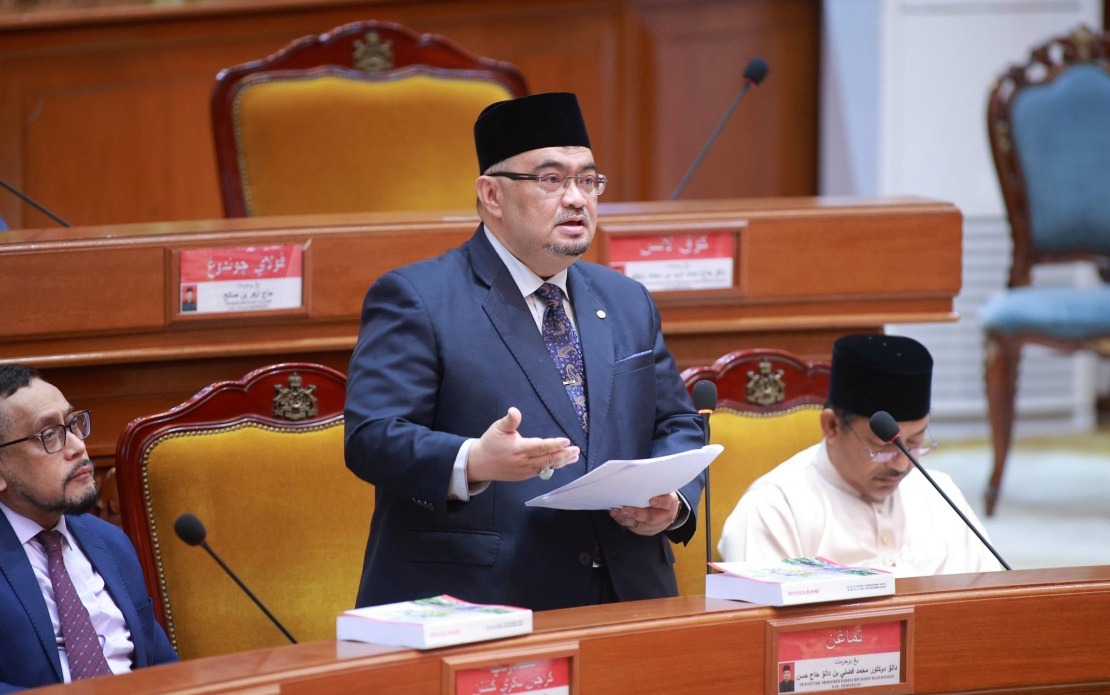
Kelantan's state government is intensifying its crackdown on encroachment and illegal mining, with authorities opening 63 investigation papers into such activities over the first half of 2025. The move reflects mounting concern in the state assembly about uncontrolled land grabbing and unauthorised extraction operations that have plagued several key districts. Deputy Menteri Besar Datuk Dr Mohamed Fadzli Hassan disclosed the enforcement tally during a state legislative assembly sitting in Kota Bharu, underscoring the administration's commitment to tackling what has become a persistent problem threatening land tenure security and environmental integrity across the state.
The investigation cases emerged from an intensive enforcement campaign that saw authorities conduct 77 separate operations targeting hotspots in four districts: Gua Musang, Kuala Krai, Jeli, and Tanah Merah. These areas, particularly Gua Musang and Kuala Krai, have long been known as flashpoints for illegal mining activity, with operators exploiting the terrain and geographical remoteness to evade detection. The breadth of the enforcement effort indicates that state authorities are no longer content with sporadic raids but are pursuing a systematic approach to identify and prosecute violators across multiple jurisdictions simultaneously. Each completed investigation paper has been forwarded to the Prosecution Unit of the Kelantan Land and Mines Office for further legal proceedings, moving cases from the enforcement stage toward formal prosecution.
A significant dimension of the crackdown involves the confiscation of heavy machinery and equipment used to facilitate these illegal operations. Authorities have seized a total of 65 excavators estimated to have a combined value of RM15.8 million. The seizure strategy targets the logistical backbone of illegal mining networks, recognizing that denying operators access to expensive earthmoving equipment substantially increases the cost and difficulty of resuming unlawful extraction. By removing these assets from circulation, the state aims to impose tangible financial penalties on those engaged in illegal activity and deter others from attempting similar ventures. The seized equipment serves as both evidence in prosecution cases and a deterrent against future violations, while also depriving criminal networks of their primary operational tools.
The question of organised involvement and protection networks behind these activities has taken on heightened importance. When assemblyman Datuk Mohd Syahbuddin Hashim raised concerns about middlemen, masterminds, and potential protectors benefiting from encroachment and illegal mining, Deputy Menteri Besar Mohamed Fadzli acknowledged that deeper investigation is warranted. He indicated that authorities would pursue leads to identify not just the immediate operators but also those who may be facilitating, organising, or shielding these activities from detection. The acknowledgment suggests recognition that many cases likely involve networks rather than isolated opportunists, and that dismantling these operations requires tracing connections beyond the point of extraction. Police reports and formal investigations will be lodged once authorities establish clear links between individuals and illegal activity, beginning a process that could expose corruption or complicity within official channels.
Land ownership records provide a crucial investigative foundation. Mohamed Fadzli noted that authorities possess documentation identifying legitimate landowners, allowing investigators to cross-reference illegal activity with property records. This approach enables authorities to determine whether encroachment involves third parties trespassing on others' land or whether landowners themselves are authorising illegal extraction in violation of state regulations. Understanding the relationship between legal proprietors and those conducting unauthorised mining can reveal whether activity is opportunistic or part of a coordinated scheme to monetise land resources outside proper channels. The distinction carries important implications for how authorities approach both prosecution and restitution.
Recognising that current penalty structures may be insufficient to deter repeat offences, the state government has initiated discussions with relevant authorities and the Kelantan Land and Mines Office to review and strengthen sanctions. The intent is to impose escalating consequences for those caught multiple times, making recidivism economically and legally untenable. This reassessment reflects an understanding that modest fines or temporary equipment seizure may not fundamentally alter cost-benefit calculations for well-resourced operations. Stricter penalties would increase the financial exposure and legal jeopardy facing offenders, potentially pushing enforcement into the range where deterrence becomes genuinely effective. Such measures align with regulatory approaches being considered across Southeast Asia as jurisdictions grapple with similar challenges.
The timing and intensity of Kelantan's enforcement campaign reflect broader regional concerns about environmental degradation and uncontrolled resource extraction. Illegal mining generates landscape scarring, water contamination, and loss of arable land—externalities that impose long-term costs on communities and agricultural productivity. For a state where agriculture and land-based livelihoods remain economically significant, unchecked encroachment threatens the sustainability of rural economies and future land values. The enforcement drive therefore serves multiple objectives: protecting the rule of law, generating revenue through prosecution and forfeiture, preventing environmental damage, and safeguarding the legitimate interests of property owners and communities affected by illegal activity.
The role of the Prosecution Unit of the Kelantan Land and Mines Office represents a critical institutional mechanism for converting enforcement cases into successful legal outcomes. By centralising prosecution decisions, the state aims to ensure consistency in how cases are handled and to build institutional expertise in handling land and mining violations. This specialised prosecutorial focus allows prosecutors to develop familiarity with the technical evidence required to prove illegal mining cases, the relevant statutory frameworks, and effective courtroom strategies. The concentration of expertise reduces the likelihood of cases being dismissed on procedural or evidentiary grounds and increases the probability of securing convictions that will establish precedent and reinforce deterrence.
For Malaysian readers and observers across Southeast Asia, Kelantan's enforcement action illustrates both the persistence of land and mining violations across the region and the growing determination of state administrations to combat them. The scale of activity captured in 63 investigation papers suggests that illegal encroachment and mining represent significant ongoing challenges rather than marginal problems. Yet the comprehensive enforcement response—spanning multiple simultaneous operations, substantial asset seizures, and prosecutorial follow-through—demonstrates that determined state action can produce measurable results. How effectively Kelantan translates these cases into convictions, and whether prosecutions reach alleged masterminds and protectors, will largely determine whether this enforcement surge represents a genuine turning point or a temporary intensification of routine enforcement activity.

