Microplastics have infiltrated nearly every corner of our environment, from drinking water to farmland soil, and your garden may be harbouring these harmful particles without you realizing it. The problem begins with the materials we bring into our outdoor spaces—the plastic seed trays, synthetic fertiliser bags, and polymer-based tools that gradually deteriorate into microscopic fragments that contaminate the very earth where we grow our food. For gardeners in Malaysia and across Southeast Asia, where agricultural productivity is vital to food security and where waste management remains a significant challenge, understanding and preventing microplastic accumulation in soil has become increasingly important to both personal health and environmental stewardship.
The journey of microplastics into garden soil is deceptively simple. Plastic products used in gardening—from synthetic containers to landscape fabrics—do not vanish when discarded; instead, they fragment into ever-smaller pieces that persist in the environment for decades. These particles enter the food chain through plants grown in contaminated soil, accumulate in organisms that consume those plants, and eventually reach human bodies. Research has already detected microplastics in drinking water, seafood, and even in human tissues, raising alarm among health professionals and environmental scientists. In tropical climates like Malaysia's, heat and UV exposure accelerate the breakdown of plastics, potentially creating microplastic pollution faster than in temperate regions.
The contamination problem extends well beyond what gardeners might suspect. Common household items used in gardening operations—plastic storage containers, synthetic twines, polymer-based mulch films, and reinforced fabric liners—all contribute to the accumulation of these particles. Even garden inputs like commercial potting soil and fertilisers may already contain microplastic residues from industrial processing. Understanding these hidden sources is the first step toward making more conscious gardening choices that benefit both immediate family health and the broader environment.
One of the most straightforward interventions involves reconsidering how seedlings are started and plants are cultivated. Soil-blocking kits offer a practical alternative to disposable plastic trays, using reusable metal moulds to compress compost mixtures into self-supporting cubes. This method provides the additional benefit of air-pruning, which encourages stronger root development than traditional potted plants experience. The resulting plants adapt more readily to garden conditions because their roots develop a denser, more fibrous structure rather than becoming bound and stressed within confining plastic walls.
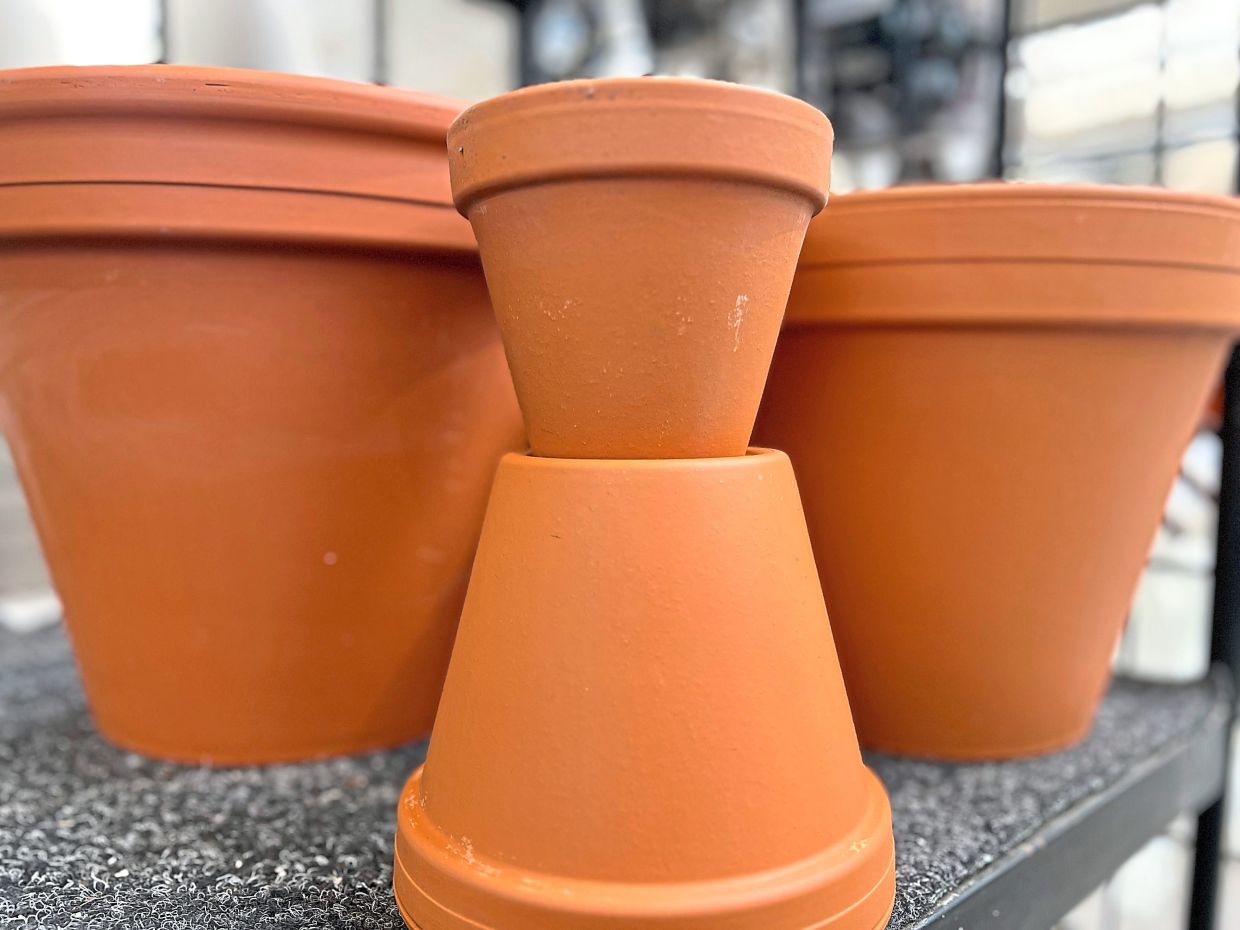
For gardeners unwilling to invest in specialized equipment, readily available alternatives exist in most Southeast Asian markets. Biodegradable containers made from coir—the fibrous material derived from coconut husks, an abundant agricultural byproduct throughout the region—or composted manure offer functional substitutes that eventually break down harmlessly. For permanent plantings, natural materials like terracotta, wood, and woven natural-fibre fabric grow bags represent superior choices to petroleum-based plastics. Fabric containers, particularly those designed for root vegetables and potatoes, promote excellent drainage and root aeration while lasting multiple seasons if properly maintained.
Purchasing bare-root plants whenever possible eliminates the unnecessary plastic pots that accompany nursery-grown specimens. This approach also reduces transportation weight and costs, benefiting both the consumer's wallet and the environment. When larger quantities of soil amendments are needed, buying compost in bulk instead of in plastic bags delivers both environmental and economic advantages. Starting a household compost pile transforms kitchen and garden waste into valuable soil amendment while eliminating dependence on commercially bagged products whose plastic packaging inevitably ends up in landfills.
The decision to replace synthetic ground coverings with natural alternatives significantly reduces microplastic inputs. Landscape fabric, despite its widespread use in horticulture, should be abandoned in favour of biodegradable mulches such as shredded bark, wood chips, or dried leaves that naturally decompose and enrich soil. Canvas tarps can substitute for plastic sheeting when temporary covering is necessary. In fire-prone zones common in Southeast Asia, gravel provides both safety benefits and microplastic-free ground coverage.
Support structures for climbing plants and tall varieties should prioritize natural materials. Bamboo, readily available and fast-growing throughout the region, makes an excellent sustainable alternative to plastic stakes. Securing vines and heavy branches with natural twine derived from hemp or jute maintains this commitment to eliminating synthetic materials. Even simple plant markers can be crafted from wooden popsicle sticks or pieces of bamboo rather than plastic labels that accumulate in gardens year after year.
When plastic purchases prove unavoidable, prioritizing durability transforms the equation. Investing in high-quality, heavy-duty containers and tools that will endure for many seasons represents a fundamentally different approach than purchasing flimsy single-use trays destined for premature disposal. The cumulative environmental impact of one durable item substantially outweighs that of multiple disposable alternatives that enter waste streams within months of purchase.
The broader implication for Malaysian and Southeast Asian gardeners is that small, deliberate choices aggregate into meaningful environmental impact. Tropical soils, already vulnerable to degradation through intense rainfall and high temperatures, face additional stress from microplastic contamination that impairs microbial communities essential for nutrient cycling and plant health. By systematically eliminating plastic inputs, gardeners strengthen their local soil ecosystems while reducing the microplastic burden on regional waterways and agricultural lands. The financial savings from bulk purchases, homemade compost, and durable materials provide secondary motivation for what is fundamentally an act of environmental responsibility.

