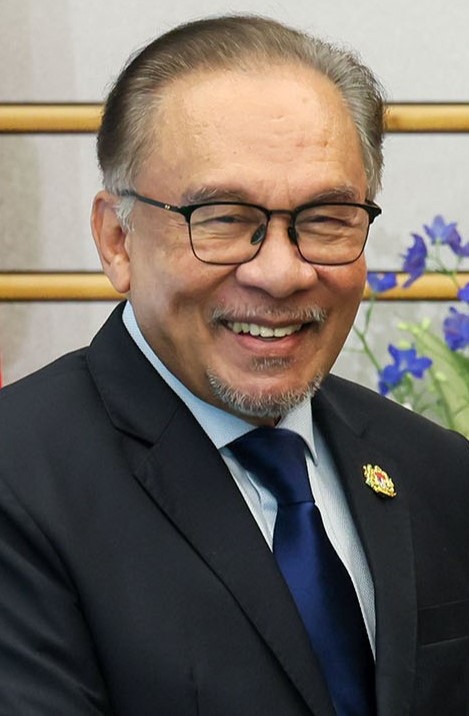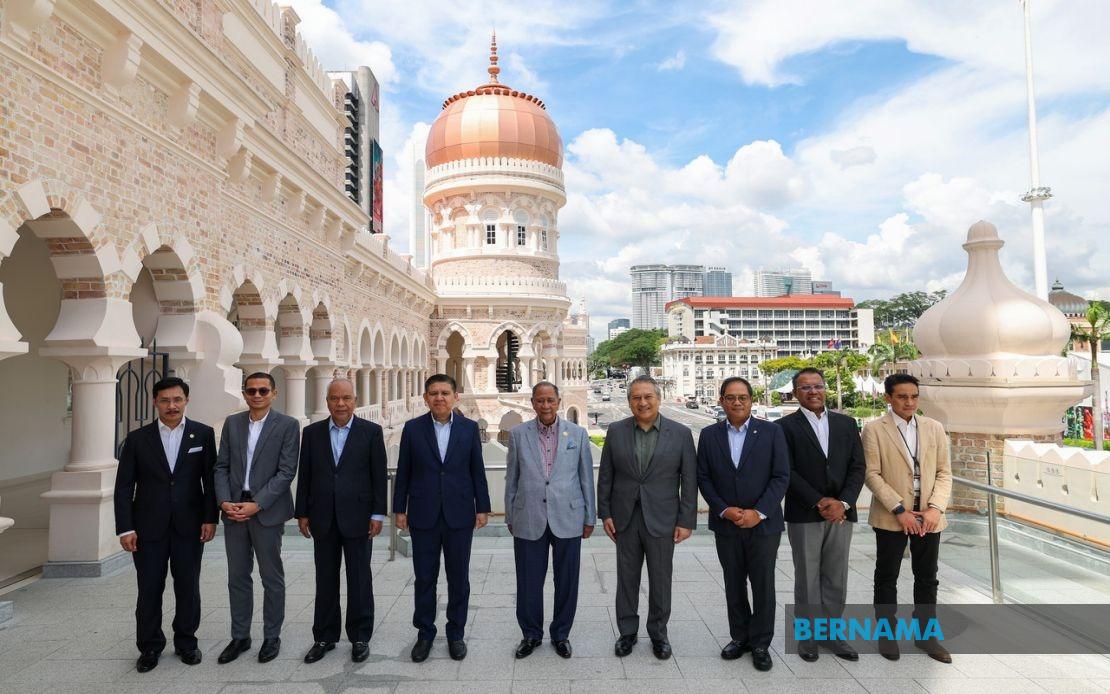
The Sultan of Kedah, Al Aminul Karim Sultan Sallehuddin Sultan Badlishah, toured the Sultan Abdul Samad Building in Kuala Lumpur on June 24, examining the restored heritage structure that stands as a monument to Malaysia's political and administrative heritage. Arriving at approximately 10.30 am, His Royal Highness was greeted by senior leadership from Khazanah Nasional, the sovereign wealth fund managing the building's preservation and public programming.
The visit represented a significant milestone for the conservation initiative, as the building's custodians welcomed the royal inspection of restoration work completed over the preceding months. Khazanah Nasional managing director Datuk Amirul Feisal Wan Zahir, along with chief corporate officer Datuk Mohamed Nasri Sallehuddin and head of real assets Selvendran Katheerayson, accompanied the Sultan throughout the visit. Their presence underscored the importance placed on the project by Malaysia's institutional leadership.
The Sultan's itinerary included a detailed exploration of the Confluence Hall, which functions as an interpretive gallery charting Kuala Lumpur's origins and transformation across centuries. Think City senior manager Mariana Isa provided commentary on the exhibition's contents, allowing the royal visitor to engage with narratives spanning the city's evolution from a tin-mining settlement to a modern metropolis. This gallery serves as the building's primary educational space, contextualising the structure itself within broader urban development patterns.
Following the Confluence Hall tour, His Royal Highness proceeded to the Visionary Hall, where contemporary architectural models and multimedia presentations illustrate planned and ongoing developments shaping Kuala Lumpur's future trajectory. The exhibition bridges historical documentation with forward-looking urban design concepts, demonstrating how the building functions as both archive and thinking space about the capital's continued growth. The Sultan then accessed the historic balcony overlooking the Porte Cochere, the building's iconic columned entrance that has framed ceremonial moments throughout Malaysia's modern history.
The programme included a visit to the School of Hard Knocks, an operational enterprise within the building managed by Royal Selangor, the pewterware manufacturer. This tenant occupies part of the restored structure, maintaining active commercial and educational use while the building serves its heritage function. A light luncheon followed before the Sultan departed at approximately 1.15 pm, concluding a three-hour engagement with the site.
Datuk Amirul Feisal characterised the royal visit as deeply meaningful to Khazanah Nasional's conservation mission, emphasising that preservation efforts extend beyond structural restoration to encompass interpretive work and public engagement. The visit, he stated, represented institutional recognition of the organisation's commitment to safeguarding Malaysia's national heritage. By hosting the Sultan of Kedah, the building's stewards reinforced the conservation project's significance to Malaysia's federal framework and the respect owed to the institution of hereditary rulers across the country's thirteen states.
Public reception data underscores the building's renewed prominence in Kuala Lumpur's cultural landscape. Since opening its doors to visitors on February 2, the Sultan Abdul Samad Building has received approximately 200,000 visitors, indicating substantial public interest in experiencing the restored spaces and engaging with exhibitions about Malaysia's administrative and political development. This visitor volume suggests effective marketing and genuine curiosity about the nation's institutional heritage among both domestic and international audiences.
The current restoration represents Phase One of a broader conservation programme financed through the Khazanah Heritage Fund. His Majesty Sultan Ibrahim, King of Malaysia, formally inaugurated the completion of these initial works on January 31, following eleven months of intensive restoration activities. The royal endorsement at the highest level of Malaysia's constitutional monarchy underscores the project's importance within official narratives about heritage preservation and national identity.
Historically, the Sultan Abdul Samad Building commanded extraordinary symbolic weight in Malaysia's decolonisation process. Originally constructed as the Secretariat Building during British rule, it served as the epicentre of the Malayan colonial administration. The structure witnessed a defining moment on August 31, 1957, when the Union Jack was lowered and the Federation of Malaya flag was raised for the first time, formally marking independence and the beginning of Malaysia's sovereign existence. This historical moment, replayed and commemorated through the building's exhibitions, anchors contemporary public understanding of national independence.
For Malaysian stakeholders and Southeast Asian observers, the Sultan of Kedah's visit illustrates ongoing institutional commitment to heritage conservation as an expression of national values. In an era when rapid urbanisation often displaces historical consciousness, formal royal engagement with preserved heritage sites signals that Malaysia's leadership regards such spaces as essential to collective memory and social cohesion. The visit also reflects the significant role that state-level rulers continue to play in legitimising national cultural narratives, with the Sultan of Kedah's participation amplifying the building's resonance beyond Selangor's boundaries to encompass federal Malaysia as a whole.
The restoration project demonstrates how government-linked entities like Khazanah Nasional employ heritage conservation to balance economic modernisation with cultural stewardship. Rather than allowing the Sultan Abdul Samad Building to deteriorate as a mere architectural relic, Khazanah's approach activates it as a functional heritage site hosting galleries, educational programmes, and commercial operations. This model positions heritage preservation not as nostalgic retreat from contemporary development but as integrated strategy for sustainable urban revitalisation and civic engagement.