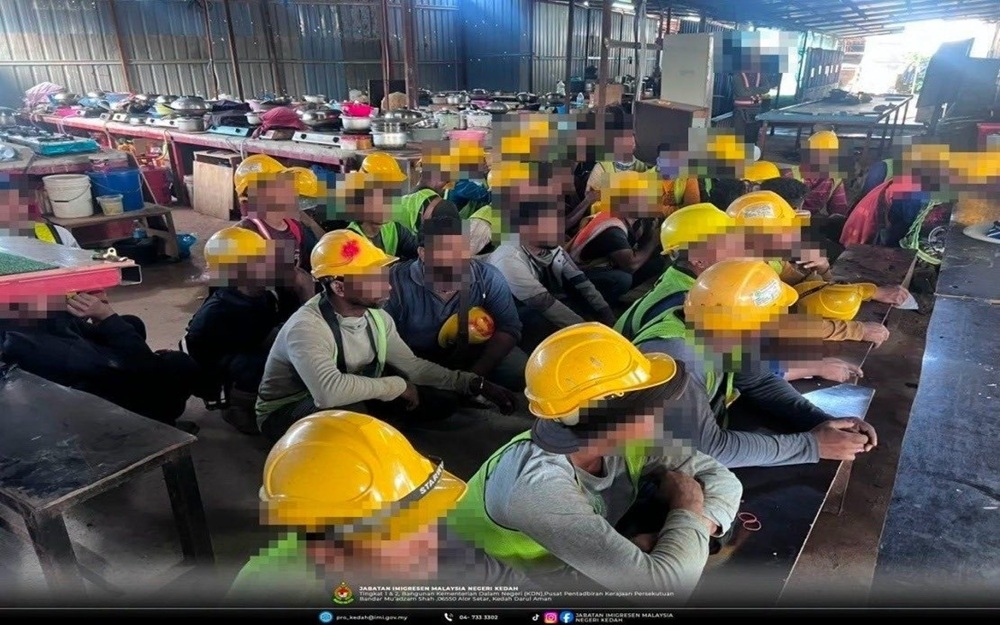
Authorities in Kedah have made a significant enforcement push, apprehending 81 undocumented migrants during an Ops Sapu raid conducted at a construction site in Alor Setar. The operation, carried out by the Kedah Immigration Department, underscores the ongoing national effort to combat irregular migration and strengthen workplace compliance across Malaysia's northern states.
Ops Sapu, which translates to "sweep operations," represents a coordinated enforcement strategy deployed across multiple sectors to identify and process individuals without valid immigration documentation. The construction industry has long been identified as a sector where irregular employment practices occur at scale, making such sites priority targets for immigration authorities. The arrest of 81 individuals in a single operation demonstrates both the persistence of undocumented migration challenges and the government's commitment to systematic enforcement.
The construction sector's vulnerability to irregular labour practices stems from several structural factors. Projects often operate under tight timelines with significant cost pressures, creating incentives for employers to bypass formal hiring procedures and documentation requirements. Migrant workers, frequently desperate for income opportunities, may accept positions without proper work permits or visa arrangements. This creates a precarious situation where both employer and worker operate outside the legal framework, exposing workers to exploitation while undermining fair competition for Malaysian workers and creating compliance burdens for legitimate employers.
The location of this raid in Alor Setar, Kedah's state capital, suggests that enforcement authorities are extending operations into urban and peri-urban construction zones rather than focusing exclusively on remote industrial areas. This geographic spread indicates a more comprehensive approach to immigration compliance across different types of worksites. Kedah's position as a border state with Thailand adds another dimension to these enforcement priorities, as the state government and federal authorities maintain heightened vigilance around irregular movement and undocumented presence.
For Malaysian workers, particularly those in construction trades, such operations can provide relief from wage competition driven by undocumented workers willing to accept below-market rates and substandard conditions. However, the effectiveness of enforcement operations in protecting local employment depends on complementary measures, including strengthened employer accountability mechanisms and credible enforcement of penalties for hiring violations. Without such follow-up systems, single enforcement sweeps may have limited sustained impact on workplace practices.
The detention of individuals during Ops Sapu operations initiates a formal process involving documentation, interviews, and processing through immigration courts. Most undocumented migrants face deportation, though the process involves administrative procedures and potential detention periods at immigration facilities. The cost and administrative burden of processing, transporting, and deporting large numbers of individuals puts significant strain on immigration department resources, which has implications for the overall efficiency and scope of enforcement programs.
International perspectives on such operations highlight tensions between enforcement objectives and humanitarian considerations. Many undocumented migrants are fleeing precarious circumstances in home countries and may face additional risks upon deportation. Regional coordination between Malaysia, Thailand, Indonesia, and other ASEAN neighbours on migration management remains an ongoing challenge, as national immigration policies are not always harmonised with protocols for safe return and reintegration.
The timing and frequency of Ops Sapu operations throughout Malaysia reflect broader government priorities around immigration control and labour market regulation. These sweeps tend to intensify during periods of heightened policy focus or in response to public concerns about irregular migration. Construction sites, domestic work arrangements, and agricultural operations remain persistent focus areas because they employ significant undocumented populations and operate with limited regulatory oversight.
Employers found to have engaged undocumented workers face potential penalties, including fines and, in serious cases, criminal prosecution. However, enforcement against employers appears less consistent than enforcement against migrant workers themselves, raising questions about balanced deterrence. A more symmetrical approach, with credible consequences for both employers and workers, might more effectively reshape workplace hiring practices over time.
The broader policy context includes Malaysia's commitment to international labour standards and efforts to combat human trafficking and labour exploitation. Immigration enforcement and labour protection objectives sometimes create tensions, as overly aggressive enforcement may drive vulnerable populations further underground rather than into formal channels where protections apply. This underscores the need for enforcement operations to be complemented by pathways for legal migration, employer education programmes, and worker grievance mechanisms.
Looking ahead, the effectiveness of Ops Sapu in reducing undocumented migration will depend on sustained commitment and strategic targeting. Construction projects extending over months provide repeated opportunities for enforcement follow-up. Building stronger ties between immigration authorities and industry bodies could enable earlier identification of compliance issues and voluntary remediation before formal enforcement action becomes necessary.
The Kedah operation illustrates the scale of undocumented migration in Malaysia's northern states and the resource intensity required to address it. While enforcement actions generate headlines and demonstrate government activity, structural solutions involving employer compliance, worker awareness, and regional cooperation remain essential to addressing root causes of irregular migration into Malaysian worksites.

