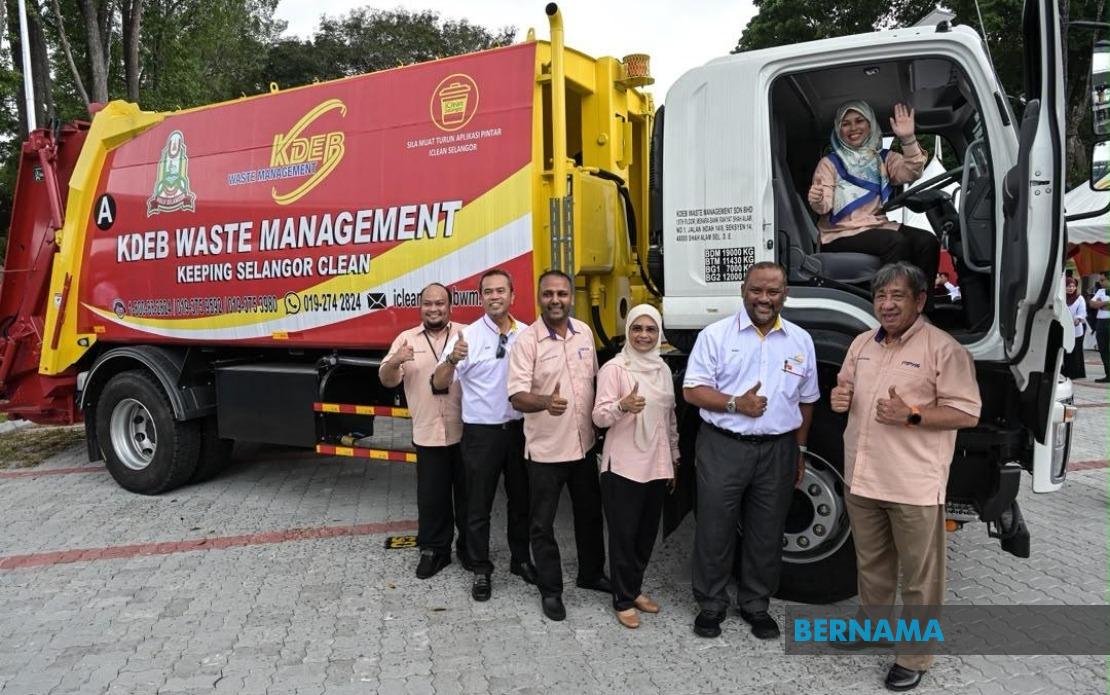
Hulu Selangor's waste management landscape has undergone significant transformation with KDEB Waste Management receiving 33 new compactor lorries to service the Hulu Selangor Municipal Council (MPHS) under a freshly commenced seven-year operational agreement. The fleet deployment, which commenced on July 1, represents a substantial capital investment aimed at modernising domestic refuse collection across the district through the middle of 2033.
The new vehicle fleet comprises a diversified selection of commercial refuse trucks: 18 units manufactured by Isuzu, five Mitsubishi Fuso vehicles, and ten UD Trucks models. According to KDEBWM managing director Datuk Ramli Mohd Tahir, each compactor has been outfitted with contemporary mechanical and safety specifications designed to enhance operational efficiency while maintaining stringent environmental and occupational safety standards throughout the seven-year service delivery period.
This represents a continuation of an established working relationship that commenced in 2018. KDEBWM previously managed waste collection operations for MPHS over the past seven years, during which time the contractor demonstrated sufficient operational competency to secure renewal of its service mandate. The transition to the new contract underscores the council's confidence in the operator's ability to expand service capacity and improve collection methodologies.
The scale of operations has expanded considerably. During the initial seven-year contract period, KDEBWM collected approximately 100 to 150 tonnes of refuse daily from Hulu Selangor. Current projections under the renewed arrangement indicate daily waste volumes reaching between 150 and 250 tonnes, with potential capacity to handle up to 300 tonnes per day as the district continues developing. This doubling of collection capacity reflects both population growth within the municipal area and increased commercial activity generation throughout Hulu Selangor.
The financial scope of this arrangement is substantial. MPHS has committed to a total contract value of RM117.2 million over the seven-year period, equivalent to approximately RM16.7 million annually. This represents a significant operating expenditure for the local authority, though municipal officials argue the investment is justified given expanded collection capabilities and enhanced service standards compared to previous arrangements.
A significant operational innovation has accompanied the new contract launch. Beginning July 1, MPHS implemented a systematic door-to-door waste collection methodology replacing previous ad-hoc arrangements. Under this structured approach, KDEBWM contractors visit residential properties and commercial premises according to predetermined schedules, collecting refuse directly from household access points rather than relying on centralised collection points. This represents a substantial organisational shift intended to improve efficiency and reduce contamination risks.
The transition to scheduled collection has necessitated corresponding changes in resident behaviour and infrastructure requirements. MPHS has mandated discontinuation of traditional leach bin systems previously employed throughout the district. Households and commercial establishments must now maintain covered refuse containers with minimum capacity specifications of 120 litres, individually marked with property identification numbers to prevent collection confusion and facilitate sorting efficiency. This standardisation enables collection staff to systematically work through designated routes without requiring visual confirmation of property ownership.
Proper waste segregation and containerisation protocols have become mandatory under the new system. Residents are required to place all domestic refuse into sealed plastic bags, binding them securely before disposal within their designated containers. Container lids must remain closed continuously to prevent environmental contamination from water ingress during rain events and to minimise attraction of stray animals to refuse collection points. These sanitation requirements represent elevated standards compared to previous informal collection methodologies.
The expanded arrangement also encompasses industrial waste management considerations. MPHS and KDEBWM have established coordination mechanisms ensuring industrial refuse generated by small and medium-sized enterprises throughout Hulu Selangor receives appropriate collection through accredited concession panel companies. This creates a comprehensive waste management ecosystem addressing both residential and commercial refuse streams, reducing uncontrolled disposal practices and environmental degradation across the municipal area.
MPHS president Julaihah Jamaludin emphasised the partnership approach underlying the expanded service delivery model. Rather than implementing waste collection as an isolated municipal function, MPHS conceived the arrangement as a collaborative relationship between the local authority and professional waste management operators. This partnership framework enables technical expertise and operational capacity from KDEBWM to complement municipal oversight and regulatory responsibilities, theoretically producing superior outcomes compared to either party operating independently.
The Hulu Selangor arrangement reflects broader trends across Malaysian municipalities seeking to modernise waste management infrastructure and service delivery standards. As waste generation increases due to population growth and urbanisation, local authorities increasingly require sophisticated collection systems utilising late-model vehicles and systematic operational methodologies. The capital-intensive nature of modern waste management has prompted many councils to engage professional operators holding technical expertise and equipment resources, rather than attempting comprehensive in-house service delivery.
For residents and businesses throughout Hulu Selangor, the transition represents both opportunity and adjustment requirement. Improved collection frequency and reliability offer environmental and sanitation benefits, reducing contamination risks and street-level refuse accumulation. However, adaptation to new containerisation standards and scheduled collection procedures demands behavioural modification and initial investment in appropriate refuse bins. Municipal authorities have undertaken educational campaigns to communicate new requirements and encourage compliance.
The success of this operational model will likely influence waste management decisions across other Malaysian municipal areas facing similar challenges of expanding waste volumes and infrastructure requirements. As Hulu Selangor demonstrates implementation of modernised collection systems with enhanced vehicle capacity and systematic scheduling protocols, neighbouring jurisdictions may evaluate comparable approaches to their own refuse management challenges, potentially accelerating sector-wide adoption of professional waste management practices.

