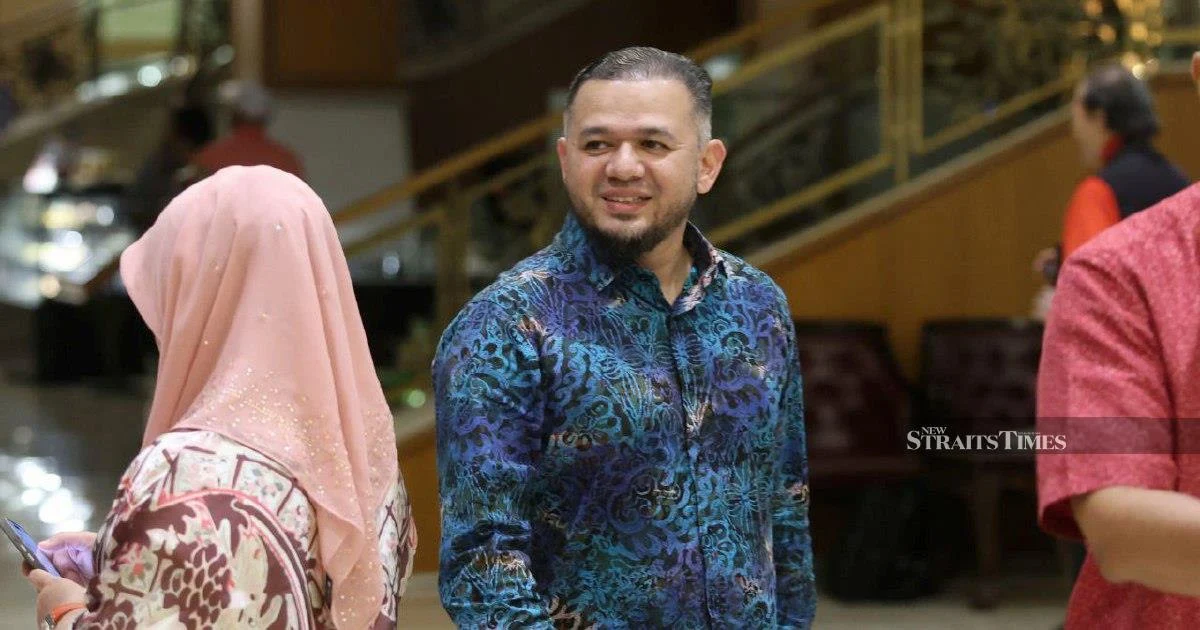
Kangar Umno division chief Datuk Dr Fathul Bari Mat Jahya faces financial obligations alongside two former company directors following a High Court decision that rejected their attempt to delay enforcement of a monetary judgment. The trio must now repay RM492,480 to a hajj and umrah services firm, marking a significant legal setback for the political figure whose bid to postpone the repayment order has been entirely dismissed.
The dismissal of the stay application represents a critical juncture in what appears to be a prolonged financial dispute between the three defendants and the service provider. When courts reject such stay petitions, it typically signals that judges have found insufficient merit in arguments for postponement, and suggests the underlying judgment against the respondents has sufficient legal strength to proceed without delay. For Umno officials facing such outcomes, the implications extend beyond mere financial liability—they touch upon questions of corporate accountability and the party's internal governance standards.
The involvement of multiple company directors in this case hints at a broader institutional arrangement that has since unraveled. Whether this stemmed from mismanagement, contractual disagreement, or other commercial failings remains a matter of legal record, yet the resolution demonstrates that senior political figures are not insulated from civil liability through their party positions. The hajj and umrah services sector in Malaysia operates under significant regulatory scrutiny, given its importance to Muslim pilgrims and the trust placed in these intermediaries.
For context, Malaysian hajj service providers handle a substantial proportion of the country's 200,000-plus annual pilgrims, making this sector economically important and closely monitored by authorities. Disputes involving such companies often reflect broader issues of contract enforcement and director accountability in Malaysia's corporate landscape. The RM492,480 figure suggests a substantial transaction that likely involved deposits, arrangements, or services spanning multiple individuals or transactions.
The High Court's decision to dismiss the stay application carries weight particularly because stay petitions are typically granted only when compelling circumstances exist—such as pending appeal prospects with genuine legal merit or risk of irreparable harm. The fact that Datuk Dr Fathul Bari and his co-defendants could not persuade the court that such circumstances applied suggests their legal position faced significant headwinds from the outset. This outcome may influence whether they proceed to appeal, given that mounting legal costs must be weighed against the fixed RM492,480 obligation.
For Umno as an organization, this judgment presents nuanced considerations. While individual party members remain legally responsible for their own commercial conduct, high-profile cases involving senior division officials can reflect upon institutional reputation, particularly if questions arise about oversight or vetting processes. The Kangar division, representing a constituency in Perlis, sits within one of Malaysia's smaller political territories, where local leadership carries particular significance in community dynamics.
The dismissal of the stay application also suggests that the original judgment itself is likely solid. Had the court entertained serious doubts about the underlying decision's validity, it would have been more inclined to grant postponement pending appeal. This signals that the three defendants now face a fairly conclusive financial obligation unless they successfully appeal the primary judgment—a more difficult legal pathway than obtaining a mere stay.
Regionally, this case underscores broader themes in Southeast Asian corporate governance. Malaysia has developed increasingly sophisticated legal frameworks for addressing commercial disputes and enforcing judgment debts, yet enforcement against individuals with political connections sometimes raises questions about consistency. The straightforward dismissal here suggests courts are applying procedures consistently regardless of defendants' prominence.
The practical implications for the three former directors are immediate. Without a stay in place, execution of the judgment can proceed, which may involve garnishing assets, freezing accounts, or initiating other recovery mechanisms. For a division chief of a major political party, such developments carry professional and personal consequences that extend beyond the financial component.
Moving forward, this judgment may prompt reflection within Umno regarding selection criteria for leadership positions and oversight of members engaged in commercial activities. It also serves as a reminder that Malaysian courts have consistently held that judicial office and political standing do not confer exemptions from ordinary civil liability. The case demonstrates that hajj service provider disputes, while seemingly specialized, can escalate to high court involvement when substantial sums and multiple parties are involved.
The dismissal represents finality in one procedural phase, though it does not preclude further legal action such as appeals on the substantive merits. Nevertheless, the immediate effect is clear: the RM492,480 payment obligation now stands enforceable without legal impediment, placing the burden squarely on the three defendants to meet this financial responsibility. For Malaysian observers tracking governance standards among political figures and corporate accountability more broadly, the case illustrates that judicial enforcement mechanisms remain active and accessible to aggrieved commercial parties, regardless of defendants' political affiliations.

