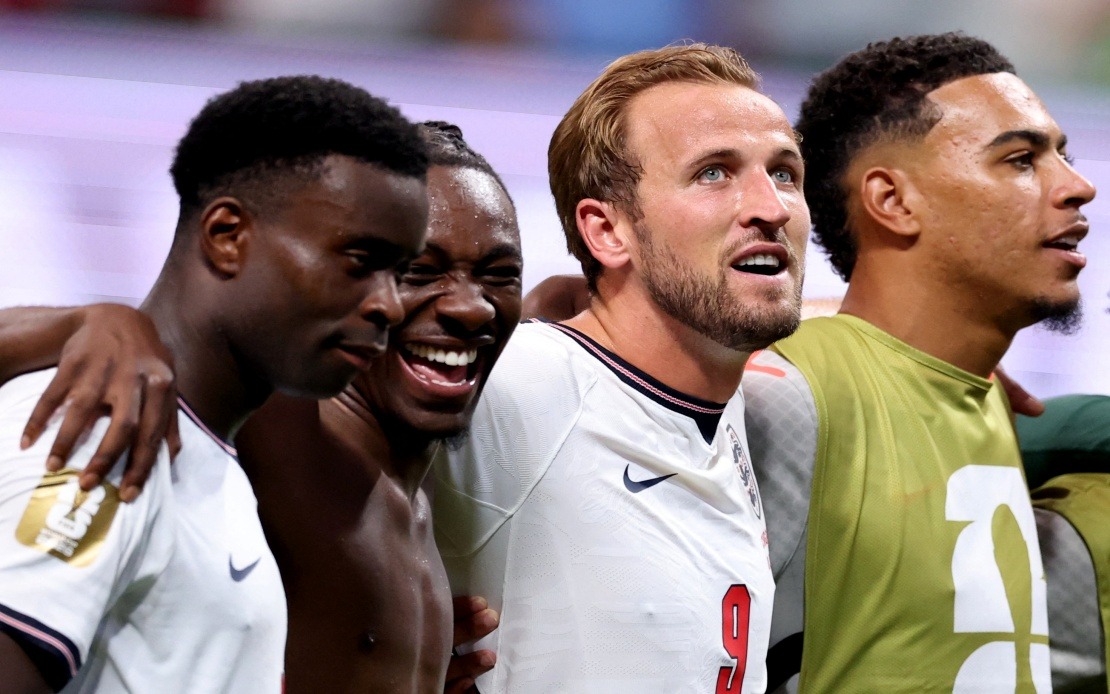
England's World Cup aspirations hung by a thread in Atlanta on Wednesday evening before Harry Kane's clinical finishing delivered a dramatic 2-1 comeback victory against the Democratic Republic of the Congo. The result, secured through Kane's second-half double, propelled Thomas Tuchel's squad into a high-stakes last-16 meeting with co-host Mexico, though the manner of their escape from an unfancied opponent raised uncomfortable questions about their tournament credentials.
The Democratic Republic of the Congo's early breakthrough through Brian Cipenga sent a chill through the English camp, conjuring echoes of past embarrassments. A decade earlier, Iceland's shock elimination of England at the European Championship had dealt a devastating blow to national pride, and the prospect of a similarly premature exit to another unfamiliar foe seemed disturbingly plausible as the match unfolded. Congo's unexpected threat stemmed not from individual brilliance but from systematic defensive organisation and the inspired goalkeeping of Lionel Mpasi, whose commanding displays frustrated England's attacking players throughout the opening period.
England's disjointed first-half performance exposed vulnerabilities that will concern Tuchel and his backroom staff as the tournament progresses. The team's defensive structure, ordinarily a source of stability, looked vulnerable to Congo's direct approach play. Yoane Wissa came close to extending the African nation's lead when his effort cannoned off the goalframe, while Kane believed he had been denied a legitimate penalty claim—a refereeing decision that would have fundamentally altered the trajectory of the match. The accumulation of these setbacks created mounting tension on the sidelines and among supporters, with England's usual composure giving way to visible frustration.
Tuchel's substitution strategy proved decisive in transforming the contest during the second half. Anthony Gordon's introduction from the bench provided the creative spark that had been conspicuously absent from England's play, and his incisive positioning twice found Kane in dangerous positions. Kane's lethal finishing—clinical rather than spectacular—converted these opportunities into the goals that rescued England from the precipice. The captain's brace completed an improbable comeback, salvaging three points from a fixture that briefly threatened to become a historic catastrophe.
Historically, this represents a significant milestone for England's World Cup record. The last occasion the team had mounted a successful comeback after conceding first in a World Cup match stretched back to the 1966 final, meaning England had endured nearly 60 years without achieving such a feat at this tournament level. The resurrection against Congo therefore carries symbolic weight beyond the three points gained, even if the performance itself remains deeply unsatisfying when subjected to detailed analysis.
Congo's participation in their inaugural knockout fixture at this competition deserves recognition for their discipline and organisation. Rather than being overawed by England's pedigree, they executed their game plan with conviction and created genuine danger on the counter-attack. Their defensive setup channelled England's attacks into predictable patterns, while their goalkeeper Mpasi made several crucial interventions that kept them competitive throughout the encounter. For a nation making their World Cup debut at this stage, the performance demonstrated that smaller nations can compete effectively when they combine tactical awareness with concentration.
England's shaky display raises legitimate concerns about whether the team possesses sufficient defensive resilience and attacking efficiency to navigate a potentially difficult path to the final. Mexico, despite being co-hosts, represent a considerably more formidable obstacle than Congo, and Tuchel will recognise that the defensive fragility and attacking inconsistency exposed on Wednesday must be substantially improved before that fixture. The margin of victory masks the precarious nature of England's position and the fortune that attended their comeback.
From a Southeast Asian perspective, England's struggle against an unconsidered opponent provides instructive lessons about the unpredictability of tournament football. Just as Cambodia or other ASEAN nations might harbour World Cup ambitions in future competitions, Congo's competitive display demonstrates that preparation, organisation, and belief can elevate smaller nations significantly. The economic and developmental disparities between England and Congo prove less determinative of outcome than the quality of tactical preparation and individual performance on the day.
Tuchel now faces the considerable task of restoring defensive security and attacking potency ahead of the Mexico encounter. Kane's crucial contributions suggest his tournament will gather momentum, yet the captain requires considerably better support from teammates operating in deeper positions. The path from this vulnerable victory to genuine World Cup contention demands substantial improvement across multiple facets of play, particularly in transition moments and set-piece defending—areas where Congo repeatedly found space. England's survival against Congo was as much about fortune as football, and that reality will weigh heavily on Tuchel's preparations for the challenges ahead.

