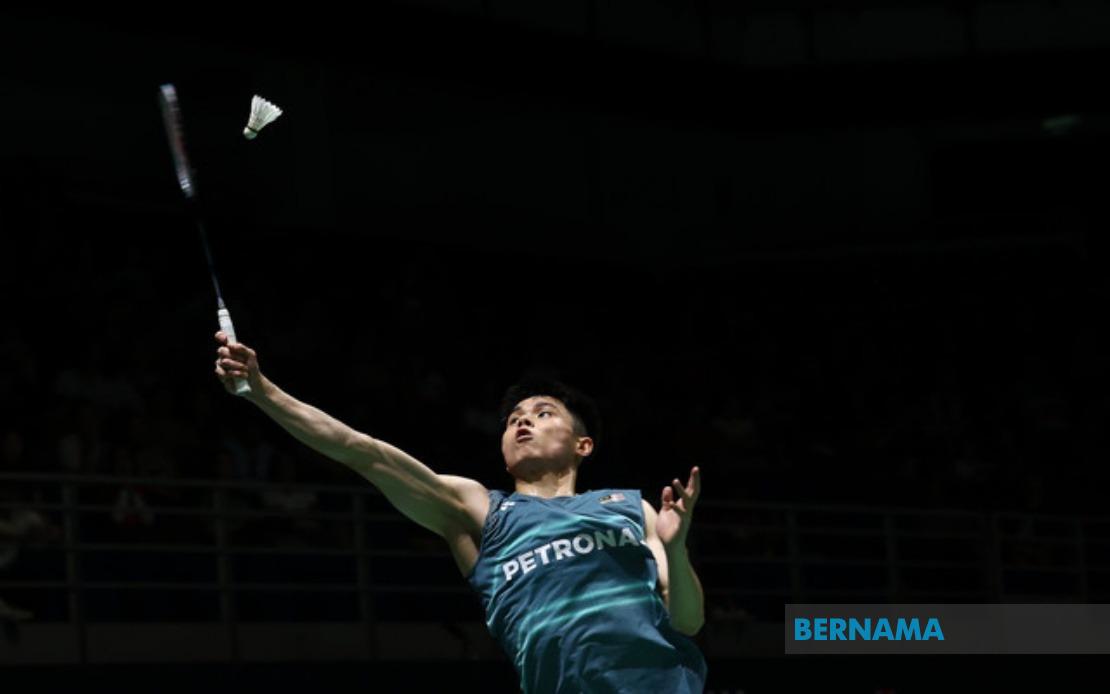
Malaysia's rising badminton talent Justin Hoh is adopting a pragmatic approach to his maiden appearance at the 2026 BWF World Championships in New Delhi from August 17 to 23, emphasising meticulous preparation over concerns about venue conditions. The 22-year-old Kuala Lumpur-born shuttler believes readiness and adaptability will be crucial as he competes at badminton's most prestigious global tournament for the first time.
Speaking after a training session at the Academy Badminton Malaysia, Hoh stressed that dwelling on external factors would be counterproductive, preferring instead to focus his energy on controllable aspects of his preparation. He acknowledged the reality that some Indian venues have presented difficulties for competing athletes in the past, yet expressed optimism that tournament organisers might have addressed previous shortcomings by the time the World Championships commence.
Hoh's candid comments reflect broader awareness within Malaysian sporting circles about infrastructure and operational challenges that have plagued major badminton events held in India. The January India Open drew considerable criticism when photographs emerged showing bird droppings on practice courts and monkeys freely roaming the Indira Gandhi Sports Complex, raising questions about venue standards and athlete welfare. These incidents, widely covered in the Malaysian and international badminton media, highlighted systemic issues that extended beyond isolated complaints.
Drawing on his accumulated experience from previous tournaments in India, Hoh offered practical insight into how players manage such scenarios. He advised fellow competitors to bring their own food supplies, recognising that reliance on local catering arrangements could present health risks or dietary complications during intensive competition. This seemingly mundane detail underscores how professional athletes must navigate real operational gaps at some international venues, adding another layer of complexity to tournament preparation.
Despite these practical concerns, Hoh maintained a measured perspective, viewing the World Championships debut as both an opportunity and a learning experience. He acknowledged the reality of facing potentially higher-ranked opponents from the opening round, yet refused to allow this daunting possibility to undermine his confidence or preparation strategy. This psychological resilience reflects maturity in his approach to elite-level competition.
The shuttler also addressed the intense scrutiny that Malaysian men's singles players face domestically, recognising that public commentary—both supportive and critical—is an inevitable feature of competing in a nation with deep badminton traditions. Rather than viewing this pressure as a burden, Hoh reframed it as motivational fuel, seeing himself as part of a lineage of Malaysian shuttlers tasked with sustaining their country's reputation in a discipline where Malaysia has historically excelled. This perspective demonstrates awareness of the historical context surrounding Malaysian badminton.
Regarding medal prospects, Hoh displayed realistic optimism, neither dismissing the possibility of claiming a podium finish nor building expectations that could prove counterproductive. His willingness to view the tournament as a developmental milestone, rather than purely a results-oriented occasion, suggests a healthy attitude that balances ambition with the understanding that sustained success at world level requires multiple tournaments and progressive improvement.
Hoh's preparation at the Academy Badminton Malaysia has been intensive, with coaching staff working to refine his technical skills and tactical awareness ahead of the New Delhi competition. The training environment provides him with controlled conditions to develop consistency and mental toughness before facing the less predictable circumstances that may await him in India.
The young shuttler's approach resonates with Malaysian badminton culture, where players have historically demonstrated resilience in navigating international competition despite varying facility standards and environmental conditions. His emphasis on personal preparation and psychological readiness rather than external excuses aligns with the professional standards expected of national representatives.
As Malaysia continues to develop its next generation of badminton talent, Hoh's World Championships debut represents a significant milestone not only for his individual career trajectory but also for the sport's succession planning in the country. The tournament will provide valuable benchmarking against elite global competitors and identify specific areas requiring further development.
Looking ahead, Hoh's transparent acknowledgment of challenges ahead, combined with his determined focus on controllable factors, suggests he is approaching this historic tournament with appropriate seriousness. Whether he can deliver a breakthrough performance in New Delhi will depend partly on how effectively he adapts to local conditions—a test that has challenged many international shuttlers at Indian venues in recent years.

