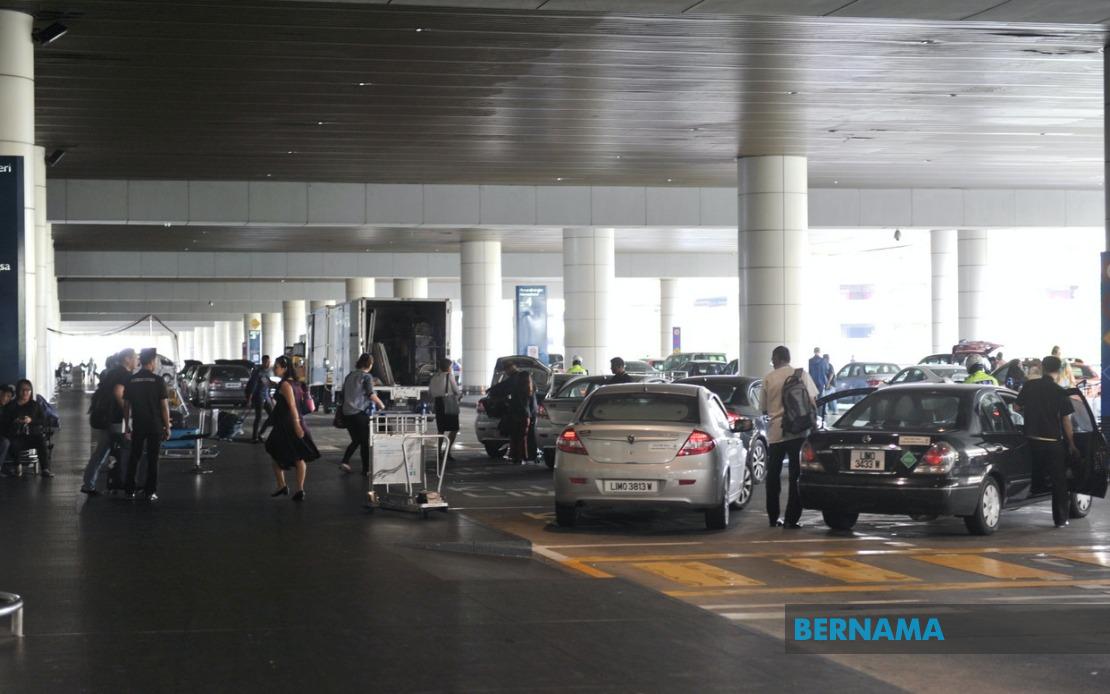
Malaysia's Road Transport Department, or JPJ, is preparing a more aggressive crackdown on illegal taxi touts operating at Kuala Lumpur International Airport, announcing plans to station permanent enforcement teams across both Terminal 1 and Terminal 2 starting next week. The initiative follows direct instruction from the Ministry of Transport to tackle what authorities describe as a persistent problem that tarnishes the nation's image among arriving international travellers. Datuk Aedy Fadly Ramli, the JPJ's director-general, outlined the comprehensive enforcement strategy during a press conference at KLIA, signalling the department's resolve to eliminate what locals call 'ulat' — individuals offering unlicensed transportation services to unsuspecting passengers.
The problem has grown sufficiently troubling that current staffing levels have proved inadequate. Only 17 JPJ personnel are presently deployed at KLIA's Terminal 1, working shifts that run between 7 am and midnight, leaving significant gaps in coverage during peak arrival times and the early morning hours when international flights land. Terminal 2 has even fewer dedicated resources, with no permanent JPJ presence assigned specifically to combat touting activities. This operational vulnerability has allowed illegal operators to flourish, particularly during late-night and early-morning flight arrivals when unsuspecting visitors are most vulnerable to solicitation.
The restructured deployment model represents a substantial operational shift for the department. Rather than maintaining the existing shift pattern that creates enforcement blind spots, JPJ will introduce three rotating shifts ensuring continuous 24-hour coverage at both terminals. This expanded presence directly addresses the timing problem that has allowed touts to operate with relative impunity during off-peak hours, particularly around 4 am when international aircraft typically begin landing. The decision reflects acknowledgment that illegal taxi operations do not follow conventional business hours, requiring enforcement to match that unpredictability.
Beyond simply adding bodies to patrols, JPJ is implementing a structural reorganisation that elevates the quality of enforcement leadership. Senior officers with higher ranks will now be permanently stationed at both air terminals to oversee monitoring and enforcement operations. This move aims to ensure that enforcement actions are consistent, legally sound, and operationally effective rather than relying on lower-ranking personnel who may lack the authority or experience to make critical decisions during complex encounters with organised touting networks. The appointment of command-level officers signals that JPJ views airport enforcement as a priority operation requiring experienced leadership.
Datuk Aedy Fadly emphasised that this enforcement push serves purposes beyond simply removing annoying solicitors from airport terminals. Illegal taxi operations fundamentally undermine Malaysia's carefully cultivated image as a modern, well-organised destination welcoming international travellers. When visitors arrive at one of Southeast Asia's major aviation hubs only to be immediately approached by unlicensed operators offering cut-rate transportation, the first impression becomes negative, potentially influencing their broader perception of the country's professionalism and safety standards. This reputational dimension explains why transport authorities view the campaign against 'ulat' as more than a routine regulatory matter.
The enforcement strategy includes a collaborative component extending beyond JPJ's direct operations. Malaysia Airports Holdings Bhd, the airport operator, will enhance informational announcements and terminal displays guiding passengers toward authorised and licensed transportation services. This soft-power approach complements enforcement action by ensuring that arriving passengers receive clear, consistent messaging about proper transport channels before encountering any touts. The partnership recognises that preventing illegal transactions proves more efficient than perpetually apprehending offenders, and that passenger education represents a valuable prevention tool alongside enforcement.
For Malaysian readers and regional observers, this initiative reflects broader challenges facing Southeast Asian airports in maintaining professional standards amid informal economic pressures. The 'ulat' phenomenon exists partly because individuals without formal employment seek income opportunities at high-traffic locations where affluent customers concentrate. While enforcement remains necessary, the underlying problem involves managing informal economy dynamics in ways that protect revenue for legitimate operators while addressing poverty-driven informal work. KLIA's experience will likely inform how other regional airports approach similar challenges.
The expanded operation also carries implications for legitimate taxi operators and ride-sharing services that have invested in proper licensing and infrastructure. Aggressive enforcement against illegal competitors levels the playing field, protecting their market share and ensuring that passengers paying premium fares for authorised services receive the safety protections, insurance coverage, and service standards that licensing requirements guarantee. This protection of legitimate businesses remains a central but often overlooked benefit of effective enforcement campaigns.
Datuk Aedy Fadly made clear that JPJ will not negotiate with individuals or groups involved in touting operations, signalling a hardline approach with no tolerance for compromise. This unambiguous stance suggests that the department recognises previous efforts may have been undermined by inconsistent enforcement or insufficient consequences for violators. By declaring zero tolerance and backing it with expanded personnel and senior leadership, authorities are attempting to create an environment where illegal touting becomes economically irrational due to heightened arrest probabilities and stricter consequences.
The initiative's success will ultimately depend on sustained commitment and adequate resource allocation beyond the initial announcement phase. Enforcement campaigns often lose momentum after initial enthusiasm fades or budget pressures redirect personnel elsewhere. KLIA's 24-hour coverage model requires consistent staffing and logistical support that must remain stable for the deterrent effect to solidify. Malaysian and regional observers will be watching whether this announcement translates into permanent operational change or represents another temporary escalation that eventually reverts to previous understaffed conditions.

