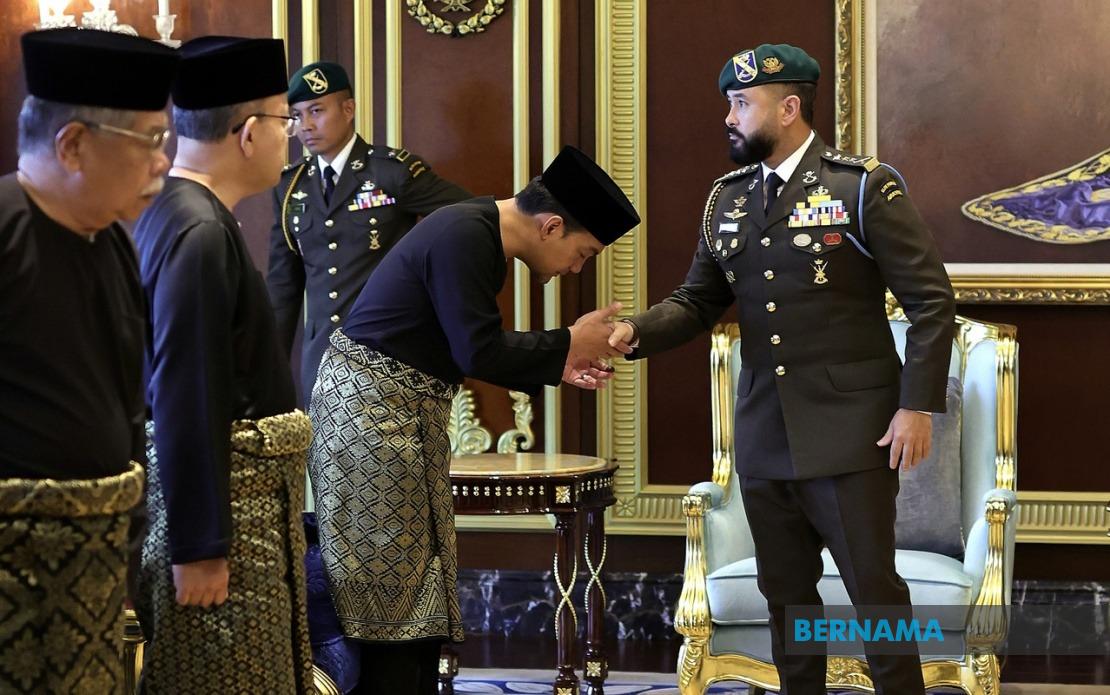
The newly constituted Johor State Executive Council will formally assume office tomorrow in a swearing-in ceremony at Istana Bukit Serene in Johor Bahru. The ceremonial proceedings, which represent a constitutional milestone following the recent state election, will be conducted under the presence of the Regent of Johor, Tunku Mahkota Ismail, underscoring the formal and solemn nature of the occasion.
This gathering marks the culmination of the electoral process that reshuffled Johor's political leadership. Menteri Besar Datuk Onn Hafiz Ghazi, who was sworn in for his new term just four days earlier on July 12, will lead the incoming executive council. The relatively swift transition between the election results and the formal swearing-in of the full cabinet reflects the established protocols governing state government formation in Malaysia following decisive electoral mandates.
Barisan Nasional's overwhelming performance in the 16th Johor State Election has provided clear political legitimacy for the incoming administration. The coalition captured 48 of the 56 available state seats, a substantial majority that translates into strong grassroots support across the state's diverse constituencies. This commanding victory, secured in elections held the preceding Saturday, removes any ambiguity about governmental authority and grants the Menteri Besar considerable latitude in policy implementation over the next electoral cycle.
The ceremonial attendees scheduled to participate tomorrow provide insight into Johor's institutional hierarchy and the interplay between executive, royal, and administrative structures. The presence of Datuk Dr Abdul Rahim Ramli, who heads the Johor Council of Royal Court, signals the integration of constitutional monarchy principles into the state's governance framework. Similarly, Datuk Mohammed Ridha Abd Kadir, the state secretary, represents the permanent administrative apparatus that ensures continuity and institutional memory regardless of electoral outcomes. These appointments reflect Malaysia's system of constitutional governance, where elected officials operate within established bureaucratic and royal frameworks.
For Malaysian observers and regional analysts, Johor's political transition carries significance beyond the state boundaries. As Malaysia's most developed state and a crucial economic driver in the southern corridor, Johor's stability and governance efficiency influence broader national economic performance. The decisive nature of BN's victory, following earlier electoral challenges in other states, suggests renewed confidence among voters in the coalition's capacity to deliver development and administrative competence. This pattern has implications for upcoming electoral cycles in other states and potentially the federal sphere.
The media access arrangements scheduled from 9.30 am onwards at both main palace entrances indicate a transparent approach to governance ceremonies. Unlike sensitive security operations, this event is designed for public documentation and scrutiny, reflecting democratic norms. Malaysian news organisations and regional correspondents will have opportunities to capture the formal proceedings, ensuring that the public record reflects the official transition of state leadership.
The interval between Onn Hafiz Ghazi's personal oath of office on July 12 and tomorrow's full executive council swearing-in is administratively logical. The Menteri Besar requires formal assumption of position before appointing and overseeing the oaths of cabinet colleagues. This sequencing ensures that constitutional protocols are strictly observed and that the principal executive officer has already assumed his statutory responsibilities before delegating portfolios to subordinate ministers.
Johor's executive council composition and policy priorities will likely shape development trajectories across southern Peninsular Malaysia over the coming years. Infrastructure projects, industrial policy, and inter-state economic coordination with Selangor and Negeri Sembilan depend substantially on effective state-level governance. The formal installation of a capable and electorally endorsed leadership provides optimism for continuity in long-term planning initiatives.
The ceremony at Istana Bukit Serene also reinforces constitutional symbolism integral to Malaysian federalism. The Regent's presence elevates the event beyond mere administrative procedure into a formal recognition of state-level sovereignty and the constitutional partnership between elected representatives and the Malay Rulers. This ceremonial dimension, while ostensibly formal, carries genuine constitutional significance in Malaysia's unique governmental system where federal and state powers coexist under a monarchy that transcends purely ceremonial functions.
For Johor's civil service apparatus, tomorrow's proceedings initiate a new working relationship between administrative officials and freshly appointed political leadership. The participation of the state secretary signals the bureaucracy's readiness to serve the incoming government and implement its policy agenda. This institutional continuity, bridging electoral cycles, ensures that governmental machinery maintains effectiveness regardless of which coalition or party holds executive power.

