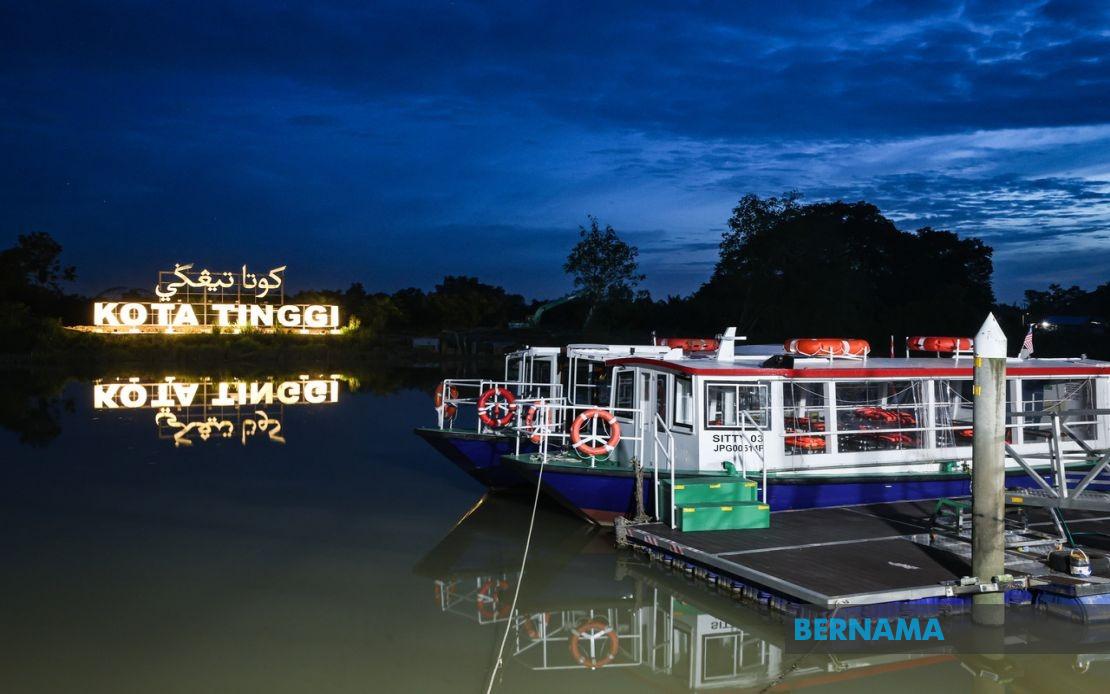
The Kota Tinggi River Cruise has established itself as a noteworthy addition to Johor's tourism portfolio, transforming a quiet stretch of Sungai Johor into a cultural and environmental experience that resonates with both domestic and international visitors. Operating from Pangkalan Kota Jetty, the service ferries passengers on a 6.7-kilometre journey that melds historical storytelling with natural landscapes, positioning itself as a cornerstone of Visit Johor 2026's ecotourism strategy.
The transformation of the river into a tourism corridor reflects a broader strategic shift across Southeast Asia towards heritage-based travel experiences. Sungai Johor holds particular significance in Malaysian history, having served as the vital artery through which the Johor-Riau Sultanate flourished following Malacca's collapse in the 16th century. The river's banks once sheltered foundational settlements including Johor Lama and Kampung Makam, sites of considerable cultural weight where several Johor sultans were interred. By leveraging this historical depth, the cruise operator has tapped into growing traveller appetite for destinations offering educational value alongside leisure.
The operational performance of Kota Tinggi River Cruise (KTRC) suggests strong market demand for this category of experience. According to Aiman Haikal Mohd Azmi, the operations manager, the venture welcomed more than 10,000 passengers during its first seven months, a figure that underscores successful positioning within the regional tourism market. The visitor demographic extends beyond Malaysian shores, with notable representation from Singapore, Indonesia, and Brunei, indicating that the offering possesses cross-border appeal and fills a niche not adequately served by existing attractions in the region.
The cruise itinerary strategically incorporates landmark sites that function simultaneously as historical monuments and Instagram-friendly vistas. Passengers encounter the Titian Laksamana, a pedestrian suspension bridge commanding visual prominence, and the Johor River Barrage, both serving as focal points for contemporary visitors seeking photographic opportunities. The approximately one-hour daytime voyage weaves historical commentary throughout, introducing travellers to legendary figures such as Sultan Mahmud Mangkat Dijulang and Laksamana Bentan through either recorded audio narratives or live guide interpretation, thus embedding cultural education within the experience.
The diversification of the cruise offering reflects sophisticated understanding of market segmentation. Beyond the standard daytime cruise, KTRC operates a specialised Mesmerising Fireflies package that converts the river into a nocturnal spectacle, capitalising on the region's natural bioluminescent phenomenon. This evening excursion targets visitors seeking more immersive natural encounters, appealing particularly to family groups and nature enthusiasts for whom daylight sightseeing may not suffice. The firefly experience, viewed through the lens of ecosystem tourism, also raises conservation awareness regarding riverine habitats.
A third offering—the Dining Cruise package—targets affluent leisure travellers and special occasion celebrations, transforming the vessel into a mobile restaurant platform. This segment recognises that contemporary tourism consumers increasingly seek experiential dining that combines gastronomic elements with curated environments, thereby extracting additional revenue from the same asset while enhancing destination appeal for higher-income segments.
Pricing architecture reflects market positioning and accessibility considerations. Daytime tickets range from RM10 for senior citizens and persons with disabilities to RM20 for adults, with intermediate pricing for children at RM15. The sunset and firefly experiences command modest premiums, set at RM13 to RM23 depending on visitor category. This tiered structure balances revenue maximisation with inclusive access, acknowledging that not all potential tourists possess equivalent purchasing power whilst maintaining sustainable operations.
The operational scheduling demonstrates commitment to maximising capacity utilisation whilst accommodating varied visitor preferences. Weekday operations span 9 am to 7 pm, with hourly departures, whilst weekend and Friday hours extend to 10 pm to capture the evening firefly tourism market and leisure travellers. This rhythm aligns with typical Malaysian holiday patterns and reflects data-driven decisions regarding demand peaks.
From a broader Southeast Asian tourism development perspective, the Kota Tinggi initiative illustrates a regional shift away from conventional mass tourism toward curated, value-added experiences that authentically connect visitors with local heritage and ecology. The operator's emphasis on the river as a living historical document rather than merely a scenic backdrop distinguishes this venture from generic boat tours proliferating across the region. This authenticity-driven approach increasingly influences travel choices among sophisticated consumers, particularly those from developed economies within and adjacent to ASEAN.
The economic implications extend beyond direct ticket revenue. The cruise operation generates employment for guides, boat operators, and associated service providers, whilst establishing Kota Tinggi as a destination worth visiting independent of other Johor attractions. Local communities benefit through indirect economic stimulation, including accommodation, dining, and retail spending by cruise passengers. This multiplier effect, if sustained, could shift economic dynamics in towns historically dependent on industrial or agricultural activity.
From a conservation standpoint, positioning Sungai Johor as a tourism asset creates economic incentives for riverine ecosystem protection. State government support for such heritage and nature-based tourism initiatives, as Aiman Haikal has advocated, aligns private sector profitability with environmental stewardship—a rare convergence that typically strengthens both outcomes. The river's designation as a tourism corridor may strengthen regulatory protections against pollution and development encroachment that threaten its ecological integrity.
Looking forward, the venture's success hinges on sustained visitor satisfaction, effective marketing penetration into regional source markets, and operational consistency. The Visit Johor 2026 framework provides institutional scaffolding supporting continued promotion, whilst the operator's willingness to innovate through thematic packages suggests adaptive capacity. The challenge lies in managing growth whilst preserving the tranquillity and authenticity that distinguish the experience from mass-market alternatives, particularly as awareness and visitor numbers potentially accelerate in the medium term.

