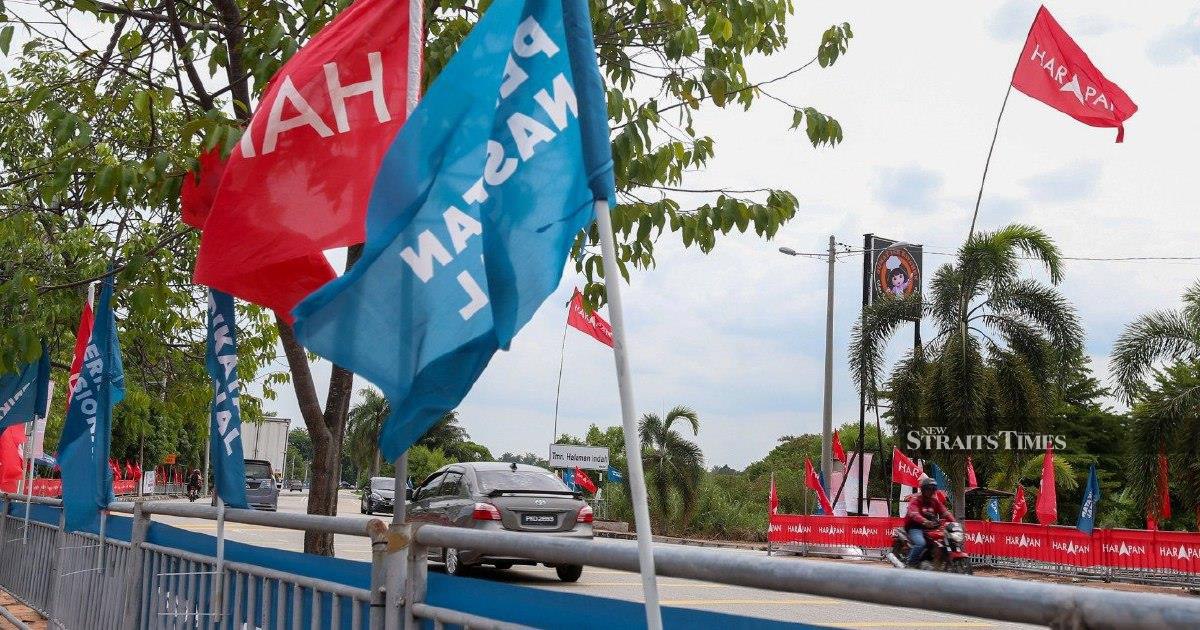
The Johor state election campaign has officially commenced with nomination day proceedings across all 56 state constituencies, marking the formal entry point for hundreds of candidates vying to represent their respective seats in the 16th Johor assembly. The statewide nomination exercise represents a critical juncture in the electoral cycle for one of Malaysia's most politically significant states, where the balance of power could shape broader peninsular politics in the years ahead.
Johor's electoral landscape has undergone considerable realignment since the last general election, with shifting voter sentiment reflecting broader national political currents. The state remains a bastion of considerable strategic importance, boasting a substantial electorate distributed across both urban and rural constituencies. The 56 seats available span diverse demographic profiles, from the industrialised zones around Johor Baru and Iskandar Puteri to rural agricultural areas in the state's interior, each presenting distinct policy priorities and community concerns.
The nomination process itself serves as an essential procedural gateway, requiring candidates to lodge their application documents and declarations within the prescribed timeframe. This administrative phase determines which contenders will ultimately appear on ballot papers, with returning officers conducting verification checks to ensure all submissions meet regulatory requirements. The scale of the nomination exercise—occurring simultaneously across all constituencies—reflects the logistical complexity inherent in managing a state-level election across such a geographically dispersed territory.
Political analysts observe that Johor's electoral contest carries implications extending well beyond state governance. As a major population centre with substantial economic output, voting patterns in the state frequently correlate with broader national political moods. The composition of the next state assembly will influence regional development priorities, economic policies affecting manufacturing and port operations, and the state government's fiscal autonomy. For political parties, securing a dominant position in Johor represents both a validation of their political appeal and a platform for national-level advancement.
The major political coalitions and individual parties will deploy resources across constituencies according to strategic calculations about winnable seats and defending existing strongholds. Different areas present varying competitive dynamics—some seats are traditional party bastions where victory appears probable, while others represent genuine marginal contests where candidate quality and grassroots mobilisation efforts may prove decisive. The nomination process itself generates considerable political theatre, as candidates address supporters and media, presenting their campaign narratives and vision for constituent representation.
For Malaysian voters, Johor elections typically command heightened attention because the state serves as a bellwether for national political direction. Election observers and political strategists scrutinise outcomes to gauge shifting electoral coalitions, demographic voting behaviour, and public receptiveness toward competing policy platforms. The state's economic importance—encompassing petrochemicals, manufacturing, agriculture, and tourism—means that development issues and economic management feature prominently in campaign discourse.
The nomination day proceedings also serve to crystallise the actual electoral contest, transforming abstract political positioning into concrete candidate matchups. Voters confronting their local ballot papers will encounter specific individuals selected as representatives, and campaign activities intensify substantially following the nomination deadline. The next phase involves intensive ground campaigning, public rallies, and direct candidate engagement with constituent communities across the 56 constituencies.
Regional considerations extend the significance of the Johor election beyond the state boundaries. The proximity to Singapore, the state's role in cross-border economic integration, and its demographic profile influenced by both internal migration and international linkages render Johor politically distinctive within Malaysia's federal structure. Policy positions on issues ranging from water resources and environmental protection to cross-border trade agreements receive particular attention from both domestic constituencies and neighbouring jurisdictions.
The formal commencement of the electoral process through nomination day initiates what will likely prove a contested campaign period. Candidates selected through the nomination process now face the challenge of securing voter support through their campaign activities and persuading constituents that they represent the most suitable choice for state assembly representation. The outcome of this electoral exercise will determine the governmental composition and policy direction for Johor across the ensuing electoral term.

