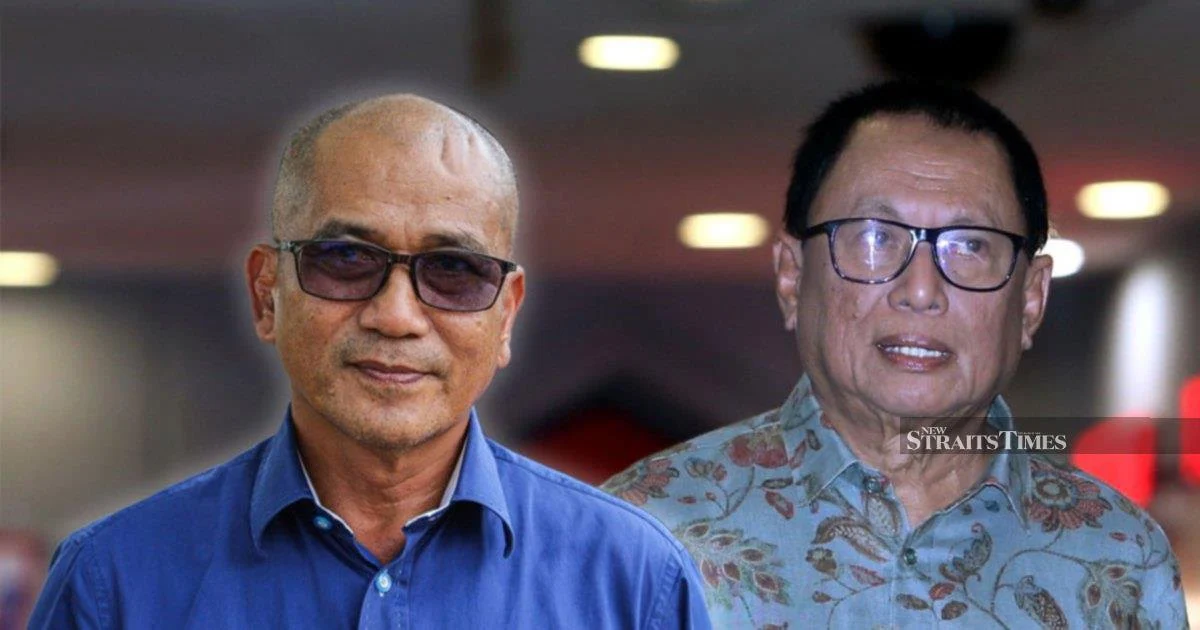
Johor's Umno establishment has moved decisively to counter recent assertions by Datuk Dr Mohd Puad Zarkashi, the state's former legislative assembly speaker, dismissing his claims about the circumstances surrounding the June 1 dissolution of the Johor state assembly. The rejection came swiftly and unequivocally from state party officials, who characterised the former speaker's allegations as not only factually unfounded but potentially defamatory in nature.
The dissolution of the Johor assembly marked a significant constitutional moment in the state's political calendar, and the decision has evidently remained contentious within political circles. Puad Zarkashi's emergence as a vocal critic of the circumstances surrounding this event has created internal friction within Umno's Johor machinery, with his former colleagues now feeling compelled to publicly distance themselves from his narrative and publicly challenge his credibility.
The dispute underscores deeper tensions within Johor's political landscape, where questions about procedural propriety and political motivations have become intertwined. By framing Puad Zarkashi's allegations as slander rather than engaging substantively with specific claims, Umno leadership appears intent on delegitimising the former speaker rather than entering into detailed rebuttal. This approach suggests confidence in their position while simultaneously signalling that the party views the matter as closed to further debate.
Puad Zarkashi's previous role as legislative assembly speaker positioned him as a constitutionally significant figure in Johor governance, and his decision to speak critically about the assembly's dissolution carries particular weight given his institutional vantage point. His status as former speaker means he possessed firsthand knowledge of parliamentary procedures and internal deliberations, making his allegations potentially influential among observers concerned with constitutional propriety.
The timing of this public disagreement also carries political implications for Johor Umno's internal cohesion. In a state where Umno retains considerable political influence, public splits between senior figures can weaken the party's electoral messaging and suggest unresolved governance questions. The leadership's forceful response appears designed to restore message discipline and prevent the narrative of impropriety from gaining traction within party ranks or among wavering voters.
For Malaysian observers watching Johor politics, this dispute exemplifies the broader challenge facing mature democracies: reconciling institutional procedures with political outcomes. The state assembly's dissolution itself was constitutionally permissible, but questions about the reasoning behind its timing and the pressures exerted on decision-makers remain legitimate areas of public inquiry. Puad Zarkashi's willingness to articulate these concerns publicly, despite his former senior position, suggests they reflect genuine conviction rather than opportunistic criticism.
The response from state Umno officials reflects the heightened sensitivity within party circles to any suggestion of procedural irregularity or questionable governance. In an era where institutional trust has become politically fragile, even allegations that party officials consider baseless require formal rebuttal. The stakes extend beyond defending particular individuals to defending the party's broader record on constitutional governance and democratic practice.
Johor's political environment has undergone considerable transformation in recent years, with shifts in voter sentiment and coalition alignments creating pressure on traditional power structures. Within this context, conflicts between established figures like Puad Zarkashi and the state leadership may reflect competing visions for the party's future direction. The former speaker's critical stance could indicate growing frustration among some quarters about how party decisions are made and communicated to the public.
The broader implications of this dispute extend to Southeast Asian political observers who track how established parties navigate internal dissent. Malaysian Umno has long maintained relatively tight party discipline, and public criticisms from former senior officials represent notable departures from this tradition. Whether Puad Zarkashi's willingness to speak publicly indicates weakening internal controls or merely reflects a one-off disagreement remains an open question with significance for understanding Umno's institutional health.
Looking forward, the resolution of this dispute will likely depend on whether additional details about the assembly's dissolution emerge publicly or whether both parties allow the controversy to subside. Umno's categorical rejection of Puad Zarkashi's allegations leaves limited room for compromise or face-saving measures for either side, suggesting the matter may continue generating political tensions within Johor's Umno circles. The incident ultimately demonstrates how constitutional moments can generate enduring political ramifications, particularly when those involved in implementing significant governmental decisions later become willing to criticise the process publicly.

