The nomination process for Johor's 16th state election unfolded without disruption today, with all 56 nomination centres across the state completing their operations smoothly. The milestone came as preparations intensify for what is shaping up to be a closely watched electoral exercise in Malaysia's southern industrial heartland, where political fortunes have shifted considerably in recent years.
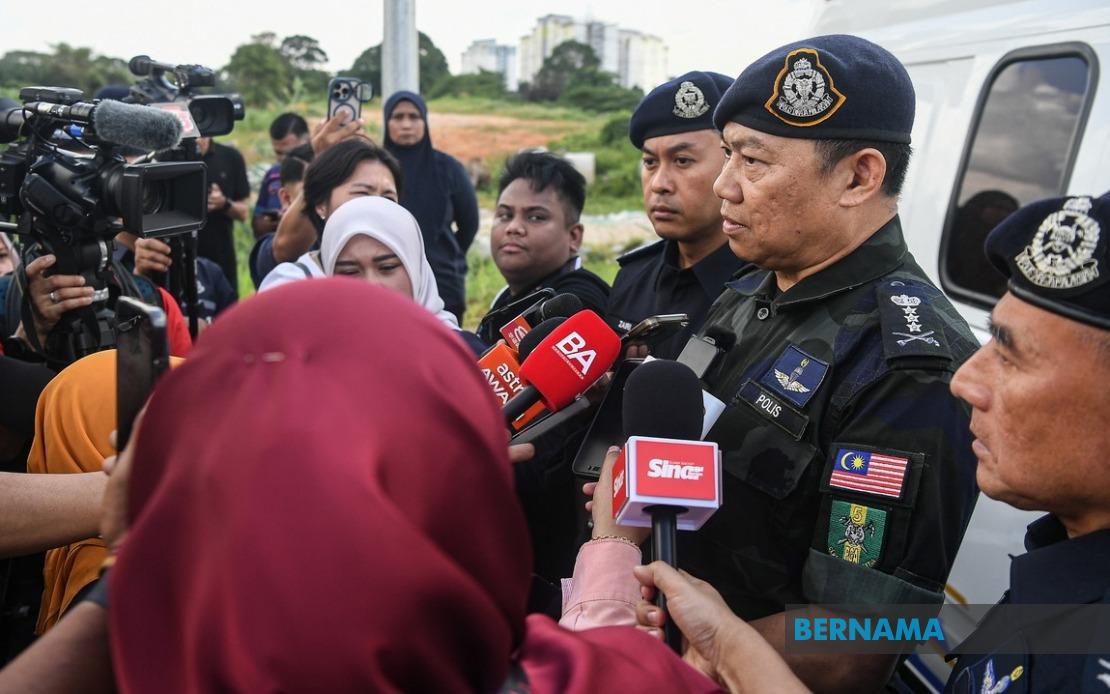
The Johor police force mobilised substantial resources to oversee the day's proceedings, with Datuk Ab Rahaman Arsad, the state's police chief, confirming that nearly 4,832 officers and personnel were stationed throughout the state to prevent any breakdown in order. This deployment reflects the security-conscious approach authorities are taking toward the election cycle, acknowledging the potential for tension during periods of intensive political activity.
Ab Rahaman reported that his department had received no complaints or intelligence suggesting any attempt to interfere with the nomination mechanics. The absence of reported incidents signals either genuine compliance among political participants or, at minimum, the effective deterrent value of the police presence itself. The commissioner's observations came after he personally visited the nomination centre at Sekolah Menengah Kebangsaan Bandar Dato Onn to observe proceedings for the Puteri Wangsa seat, demonstrating senior leadership attention to the process.
The election authorities have already processed 26 campaign permits statewide, with officials indicating that additional permits will be issued as the campaign period progresses. This permitting system serves as another control mechanism, allowing the authorities to track campaign activities and ensure they conform to election regulations. For political operatives in Johor, securing these permits has likely become part of the strategic calculus as parties prepare their ground operations across the state's diverse constituencies.
With polling day scheduled for July 11, voters will have the opportunity to cast their ballots following early voting on July 7. This timeline gives candidates and their machines approximately two weeks to conduct their campaign activities, a period during which the state's political landscape will likely see intensive grassroots mobilisation. The early voting provision, meanwhile, accommodates those unable to vote on the main election day, reflecting modern electoral accommodations.
The police chief took the occasion to remind all contesting parties and individual candidates that their campaign conduct must respect legal boundaries and prioritise responsible messaging. Ab Rahaman's warnings were not perfunctory; they carried implicit weight, suggesting that while the nomination day itself passed without incident, the pressure points may emerge during the more heated campaign phase. Malaysian elections have occasionally experienced tensions during campaign periods, making such reminders a regular feature of pre-election security messaging.
For Malaysian observers, particularly those tracking Johor's political evolution, this election carries significance beyond the state itself. Johor, as Malaysia's second-largest state by population and a crucial economic engine, has experienced notable political shifts. The smooth execution of the nomination process suggests that administrative systems remain functional, though the real test of order and fairness will come during the campaign and voting phases.
The authorities' emphasis on preparedness and preventive deployment reflects lessons learned from previous election cycles in Malaysia. By positioning security personnel proactively rather than reactively, the Johor police are attempting to prevent disruptions before they occur. This preventive posture, while sometimes questioned by civil liberties advocates, has become standard practice in Malaysian electoral management.
For regional observers in Southeast Asia, Malaysia's experience provides a comparative case study in how established democracies manage electoral security. While not without flaws, Malaysia's election systems have generally functioned despite political contestation, and the Johor process appears to be maintaining that track record. The state's nomination day success sets a baseline expectation for the remainder of the electoral calendar.

